









The debate over the sovereignty of the Falkland Islands has been forcefully reintroduced following the recent match between Argentina and England in the World Cup, and this time it even reached well-known British media.
In a column published in The Guardian, journalist Simon Jenkins argued that, while the issue does not admit simple answers, the islands “cannot remain British forever,” reigniting a historically sensitive topic for both countries.
This discussion occurs in an international context where the United Kingdom has been reviewing situations inherited from its imperial past.
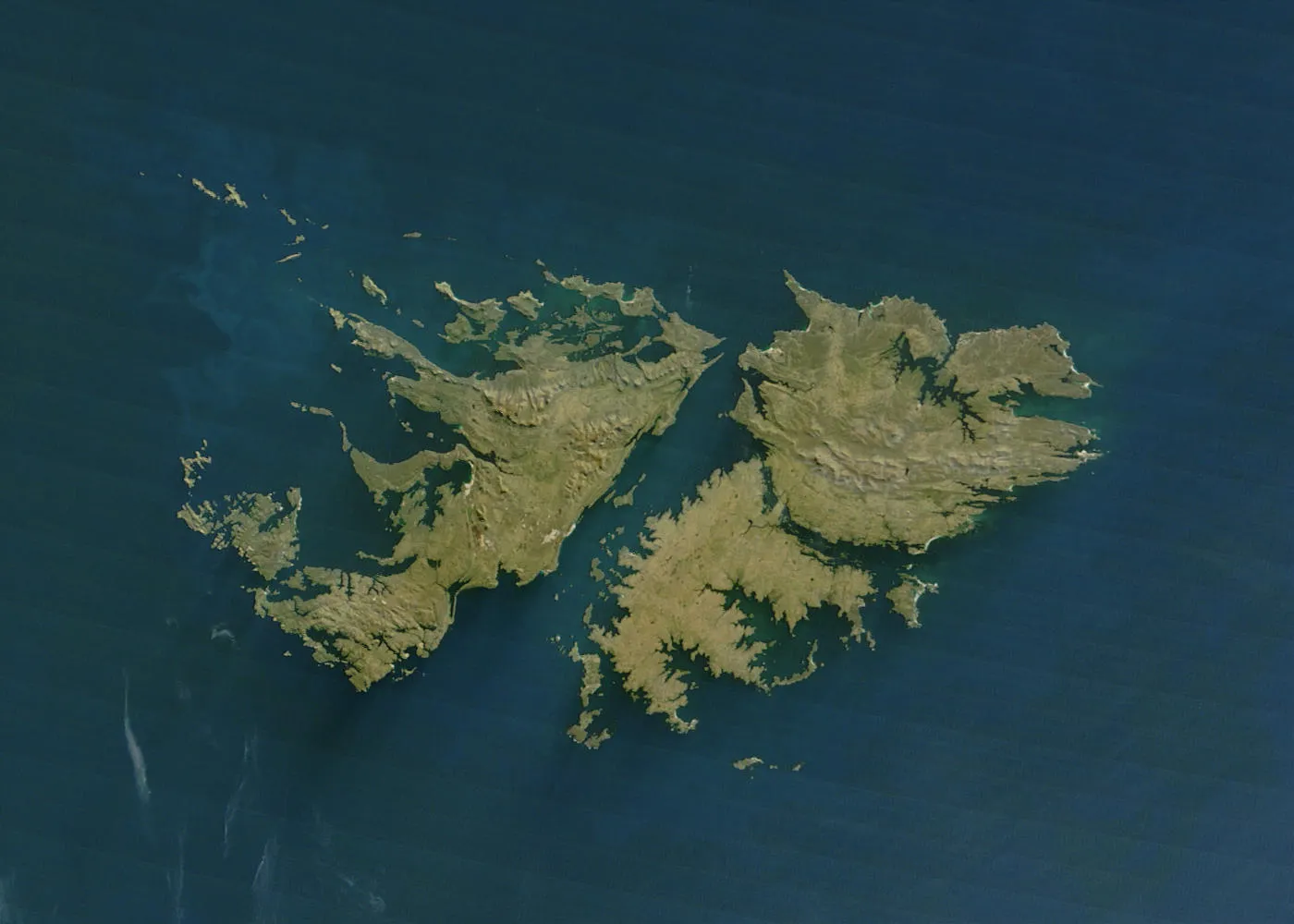
Falkland Islands
The case of Gibraltar
Jenkins used the recent agreement between Great Britain and Spain to tear down the border separating Gibraltar from Spanish territory as a starting point, describing the understanding as the result of “decades of negotiation” and a “happy compromise.”
From that precedent, the author suggested that a similar process could eventually open up regarding the Falklands. He even linked the resurgence of the topic to the historic defeat of England against Argentina in the World Cup semifinal, after which a flag appeared on the field regarding Argentina's sovereignty over the islands.
In that context, the journalist asked: “Can nothing good follow the generous embrace of Lionel Messi and Harry Kane?.”
In his analysis, Jenkins questioned the idea of indefinite permanence of overseas territories under British control. “None of the territories from the British imperial era has an eternal right to remain as they are,” he stated, highlighting the economic cost of maintaining that situation, noting that the defense of the Falklands costs over 60 million pounds annually.
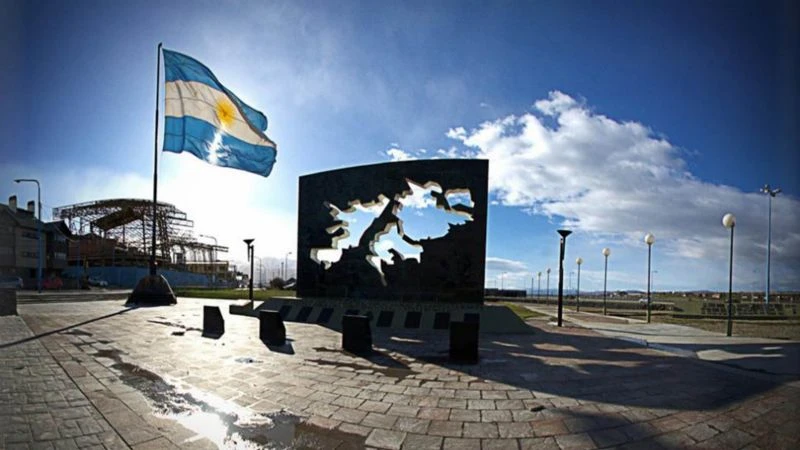
The flag over the Falkland Islands
The columnist also introduced a critical perspective on the historical reasons that led to the consolidation of British control after the 1982 war. He suggested that the defense of the current status was linked not only to the outcome of the conflict but also to internal political factors.
In this regard, he recalled that before the military conflict, there were ongoing negotiations between London and Buenos Aires to advance towards a possible return of the territory. These discussions were based on previous agreements, such as the one from 1971, which facilitated the relationship between the islands and the continent in terms of trade, transport, and services.
Jenkins noted that during that period, international organizations like the United Nations promoted the decolonization of the remaining territories of European empires. In that context, the Falklands were part of a broader agenda that included other enclaves under British administration.
The article also recalls the diplomatic efforts of the late 1970s, when British officials explored alternatives such as shared sovereignty agreements or leasing schemes. According to the author, that path was interrupted by the 1982 war, which he described as “an authentic barbarity.”
Monument to the Falkland Islands
For Jenkins, the conflict not only halted negotiations but also closed off, for decades, any discussion about the future of the islands. In this sense, he questioned that the fraudulent referendum of 2013 was used by the British as a definitive argument to close the debate.
A matter of time
In his conclusion, the columnist argued that the current situation is not sustainable in the long term. “The reality is that these colonies, sooner or later, will inevitably integrate into their continents,” he asserted. He added that “they cannot be indefinitely protected by a European protector, and Argentina's claims are not going to disappear.”
Finally, he warned that the United Kingdom currently maintains the Falklands as “an isolated military fortress” and considered that, although for now the authorities choose to postpone the discussion, at some point “a British government will have the courage to resume negotiations.”
The publication thus reflects a significant shift in the treatment of the issue within the UK itself, where voices are beginning to emerge that, from central spaces of public debate, question the indefinite continuation of the current scheme and raise the need to review the future of the islands.