The publication of the final report of the so-called “Rape Gang Inquiry”, driven by British MP Rupert Lowe, shows that the organized sexual exploitation of minors by Muslim immigrants was a phenomenon much more widespread than officially recognized and denounces decades of institutional failures by agencies responsible for protecting victims.
According to the findings released by the investigation, the group sexual exploitation of minors would have affected dozens of British towns for years. The report includes testimonies from survivors, family members, and whistleblowers describing systematic abuses, as well as repeated missed opportunities by the police, local authorities, and social services to intervene and protect the victims.
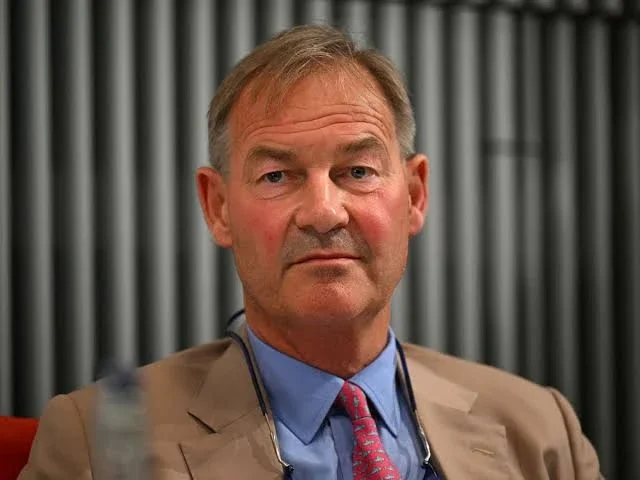
The MP of Reform UK Rupert Lowe
One of the most important aspects of the report is its assertion that many institutions avoided acting decisively for fear of being accused of racism or generating community tensions. Various testimonies presented during the hearings claim that officials and policymakers were aware of some of the problems but did not respond adequately to the complaints.
Lowe's report is an independent investigation and not an official inquiry by the British state because the most affected by this report is Keir Starmer and his government. The investigation shows that more than 250,000 white girls were victims of exploitation and rape networks in 149 districts of the United Kingdom, in 90% of these cases the perpetrators were Muslim men immigrants of Pakistani origin.
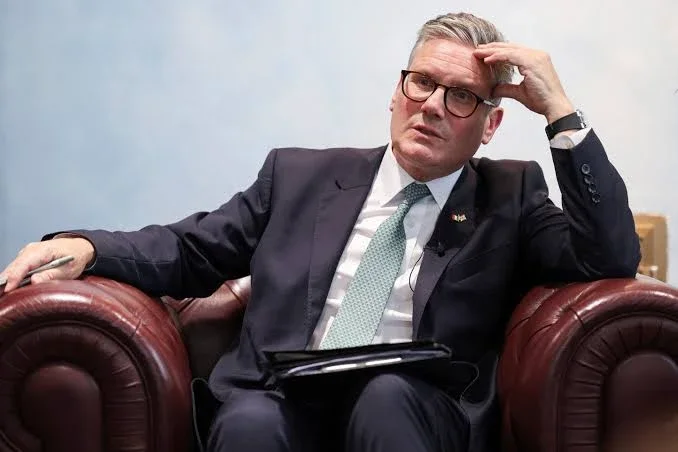
The communist Prime Minister of the United Kingdom, Keir Starmer
The scandal has once again placed pressure on the Labour Party and other political forces that governed various levels of the British administration over the past decades. Critics of the system argue that the problem was ignored for too long, where the leftist idea of avoiding actions that could be labeled as "racist" led to the total abandonment of victims of attacks by Muslims and immigrants.
Beyond the partisan dispute, the report has reopened a national discussion about the protection of minors, accountability of public institutions, and the need to ensure that similar cases do not happen again. The main challenge will be to determine specific responsibilities and transform the conclusions of the investigations into effective reforms to protect future victims.