
Denmark urged the EU to tighten restrictions against Russia after thwarting an alleged assassination plot

Denmark urged the EU to tighten restrictions against Russia after thwarting an alleged assassination plot

Copenhagen urged its European partners to suspend tourist visas for Russian citizens and limit access to the Schengen area

Share:

Denmark urged European Union (EU) countries to adopt concrete and coordinated measures to respond to alleged operations by Russian intelligence services on European soil, after announcing that it had thwarted a supposed plan to assassinate a Ukrainian-American rapper before a performance in September.

The Danish initiative aims to tighten entry restrictions for Russian citizens to the Schengen area, which allows free movement among 29 European countries. Among the proposals are suspending the issuance of tourist visas, ceasing to recognize Russian passports that do not include biometric data, and establishing stricter controls for certain citizens linked to the Russian military forces.

The proposals were included in a communication sent to European governments and confirmed by two diplomats. The document was distributed on Friday night among high-ranking diplomatic representatives of the EU, in an attempt to gain support for a common response to activities attributed to Moscow.

''We must adopt concrete measures that project European strength and determination,'' the message stated. It also noted that there is a favorable political momentum to act firmly and that governments should seize the opportunity to replace the current scattered national measures with a truly unified policy across the bloc.

The Danish government will formally present its proposals during a meeting of EU ambassadors scheduled for Monday in Brussels. The discussion could open a new chapter in tightening European migration and security policies towards Russia, amid growing concerns about intelligence operations, sabotage, and other activities considered hybrid threats.
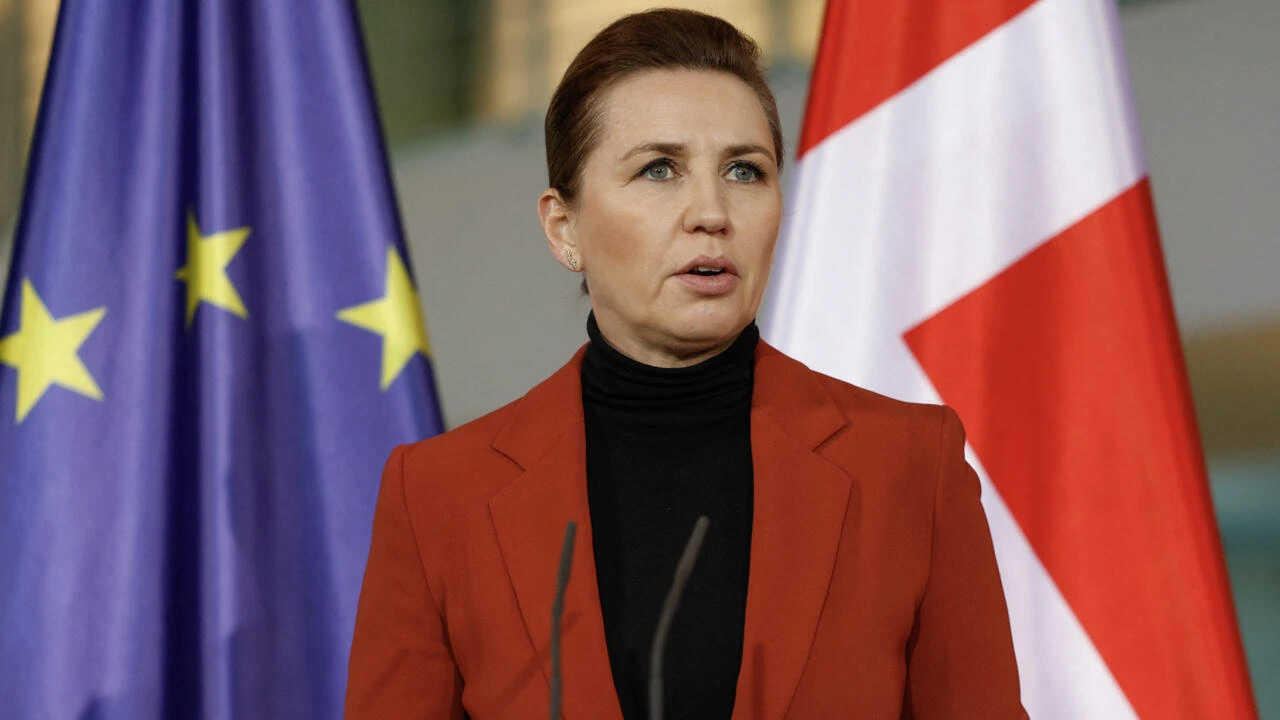
The Danish government asked the European Union to tighten restrictions against Russian citizens following an alleged attack organized by Russian intelligence services

An alleged plot attributed to Russian intelligence

The initiative arose after Danish authorities reported that they had prevented an assassination attempt that, according to their investigations, would have been organized by Russian intelligence services.

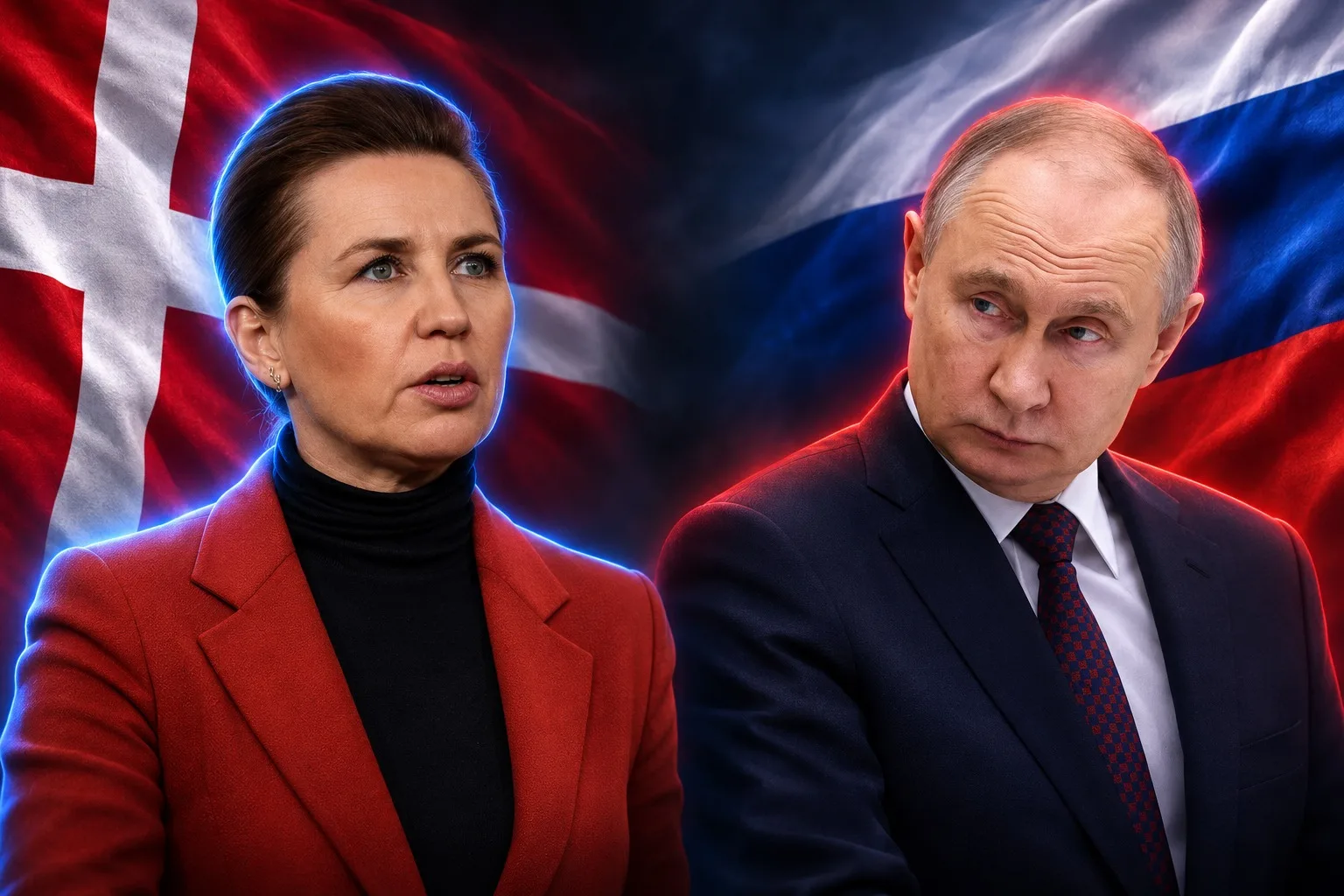
The Police and security agencies of Denmark announced on Friday that they had thwarted in September a supposed plan to kill a Ukrainian-American rapper before a public performance. According to the information released, two Danish citizens are suspected of having been hired by Russia to carry out the attack.

The Danish Foreign Minister, Lars Lokke Rasmussen, described the episode as an unacceptable transgression. In response, Copenhagen announced the expulsion of the Defense Attaché from the Russian embassy, a decision that represents a new diplomatic escalation between the two countries.

The Russian embassy in Copenhagen rejected the accusations and stated that Denmark did not present evidence to support its claims. Moscow, therefore, questioned the version of the Danish authorities, while the investigation and the diplomatic consequences of the case increased pressure for European governments to adopt a joint position.
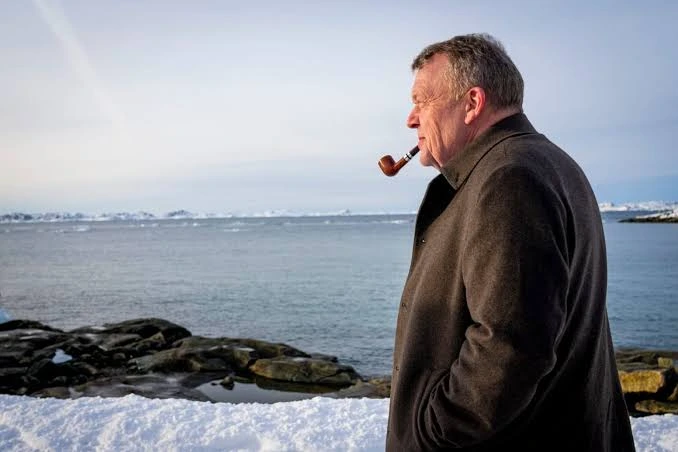
The Danish Foreign Minister criticized the incident and the expulsion of staff from the Russian embassy in Copenhagen was announced

The EU seeks a coordinated response

In addition to suspending tourist visas and ceasing to recognize non-biometric Russian passports, Denmark proposed that European countries more frequently resort to limited territorial validity visas. These permits would allow entry only to the issuing country, without automatically granting freedom of movement throughout the rest of the Schengen area.

The document also recommended establishing stricter entry requirements for current and former Russian fighters. The proposal aims to reduce security risks associated with individuals who have participated in military operations and intend to enter European territory.

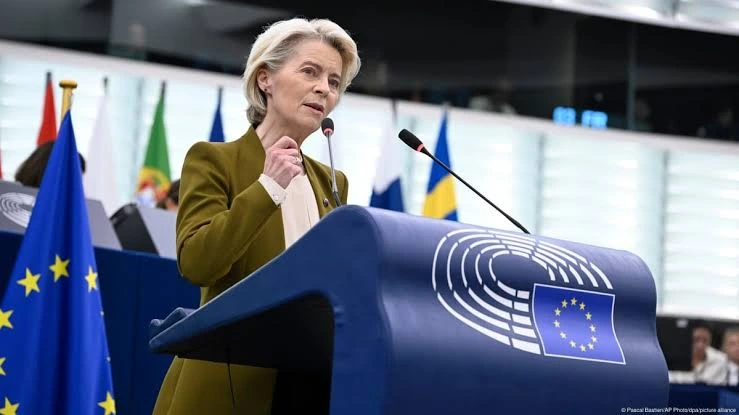
The President of the European Commission, Ursula von der Leyen, expressed her solidarity with Denmark and with other member states that have been targets of hybrid attacks attributed to Russia.

Von der Leyen stated that the EU fully supported Copenhagen and announced that the bloc will soon present a new European Security Strategy, aimed at strengthening preparedness and deterrence capacity against external threats.

The initiative seeks to strengthen coordination among member countries and improve the response to operations that do not necessarily take the form of conventional military confrontation, but that can affect internal security, institutions, and European infrastructure.

The President of the European Commission launched her support for Denmark and announced the presentation of a new common defense strategy

New sanctions against Moscow

The discussion on visa restrictions also coincides with the European Commission's preparations to present its twenty-second package of sanctions against Russia. The new set of measures, expected in the coming weeks, will be related to the large-scale invasion of Ukraine initiated by Moscow nearly five years ago.

Entry restrictions for Russian citizens are among the options being considered, which could facilitate the incorporation of some of the Danish proposals into a broader strategy of the bloc.

The meeting on Monday in Brussels will be a first test to determine to what extent European partners are willing to move towards a stricter common policy. Denmark argues that the threat demands more than statements of solidarity: it calls for concrete decisions that limit Moscow's operational possibilities within Europe and strengthen the continent's protection.

Putin's government intelligence was accused of planning the assassination of a Ukrainian-American rapper