Meanwhile, the Cuban regime is facing increasing internal and external pressure. The combination of economic crisis, isolation and international demands places the government in an increasingly weak position.
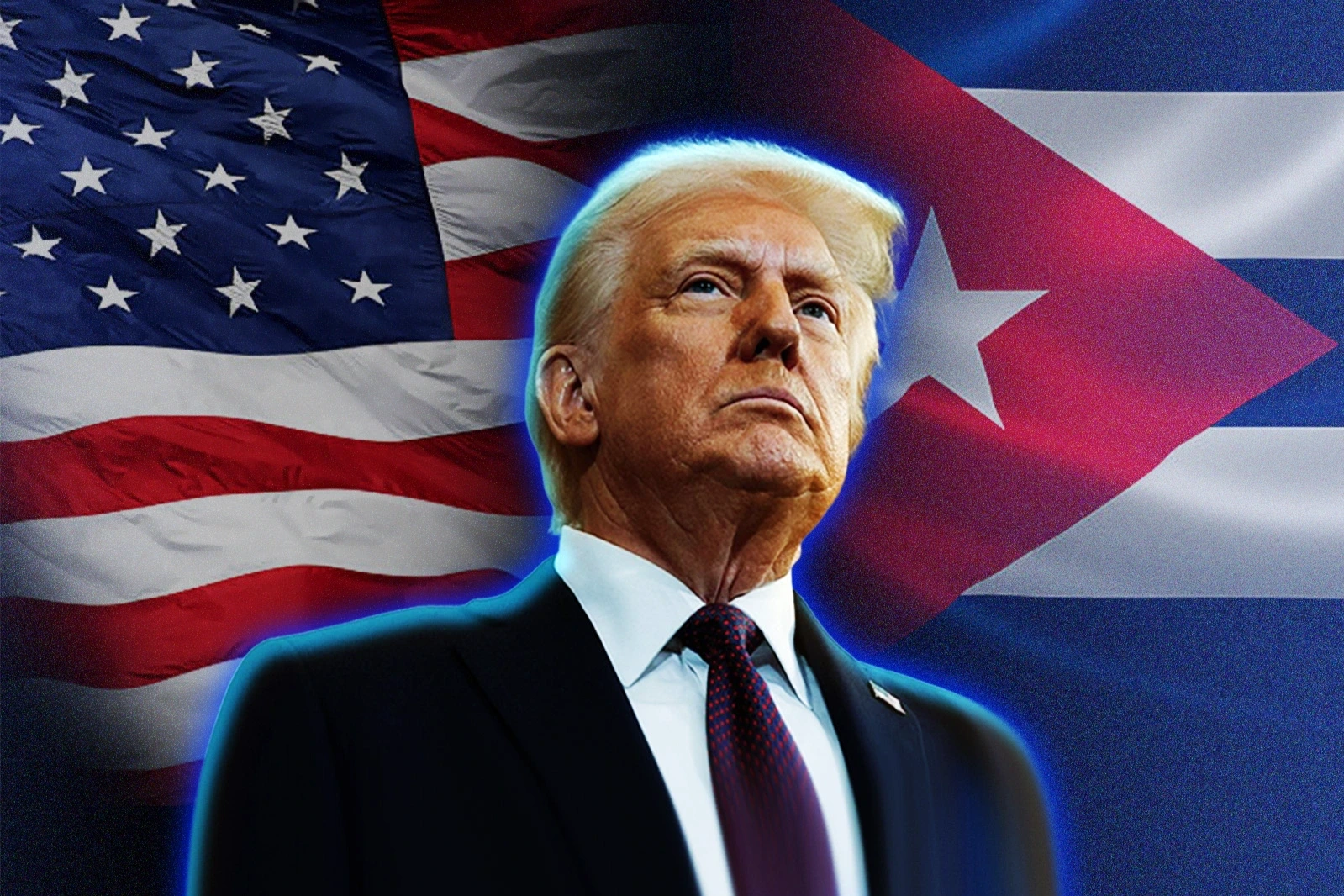
In this context, the position of the United States under Trump's leadership is presented as an attempt to channel an inevitable change. The question now is whether the regime will be willing to move forward with real reforms or if it will choose to resist, prolonging a crisis that is already having a full impact
In a move that reflects a strategic change in foreign policy, high-level U.S. officials traveled to Havana to discuss possible economic and political reforms in Cuba, within the framework of an initiative promoted by the Donald Trump administration. The objective: to force changes in a regime that is going through one of the worst crises in its recent history
.
The U.S. delegation held private meetings with Cuban authorities, in which it left a clear message: the current system is unsustainable and there is a limited window to implement reforms before the situation deteriorates further.
The context couldn't be more critical. Cuba is facing a deep economic crisis, with energy shortages, inflation and a drop in production, aggravated by the interruption of key supplies from allied countries. Faced with this scenario, pressure from Washington appears to be a determining factor in pushing structural changes that the regime has avoided for decades.
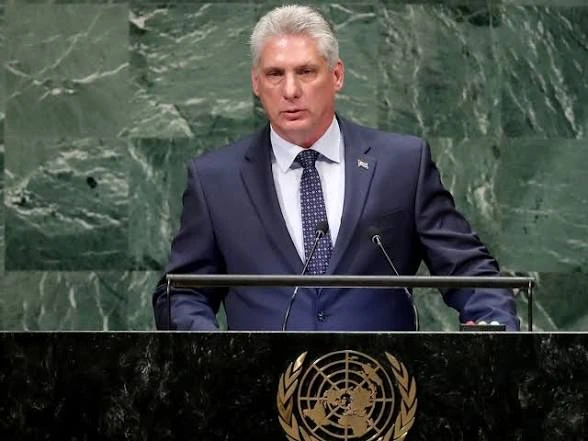
The dictator of Cuba Miguel Díaz-Canel
Far from the passivity of previous administrations, Trump's strategy combines pressure and negotiation. On the one hand, it tightens economic and diplomatic conditions; on the other, it opens the door to an orderly transition that will stabilize the island without the need for
a total collapse.
From this perspective, the trip to Havana does not imply a concession to the regime, but rather a demonstration of leadership: the United States seeks to set the course for an eventual transformation in Cuba, prioritizing regional stability and security just 150 kilometers from its shores.
In addition, the approach aims to introduce economic reforms to open up the Cuban market, attract investment and reduce state control over the economy. However, from Havana they have made it clear that they are not willing to give in on central political aspects, which anticipates complex negotiations
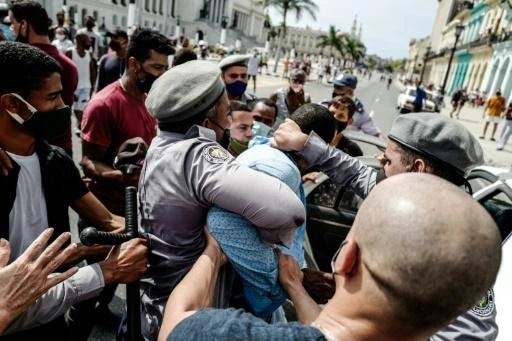
. Cuban regime police cracking down on demonstrators
The initiative also has a geopolitical dimension. In an increasingly competitive global scenario, Washington seeks to prevent actors such as China or Russia from expanding their influence on the island, consolidating its presence in a historically strategic region