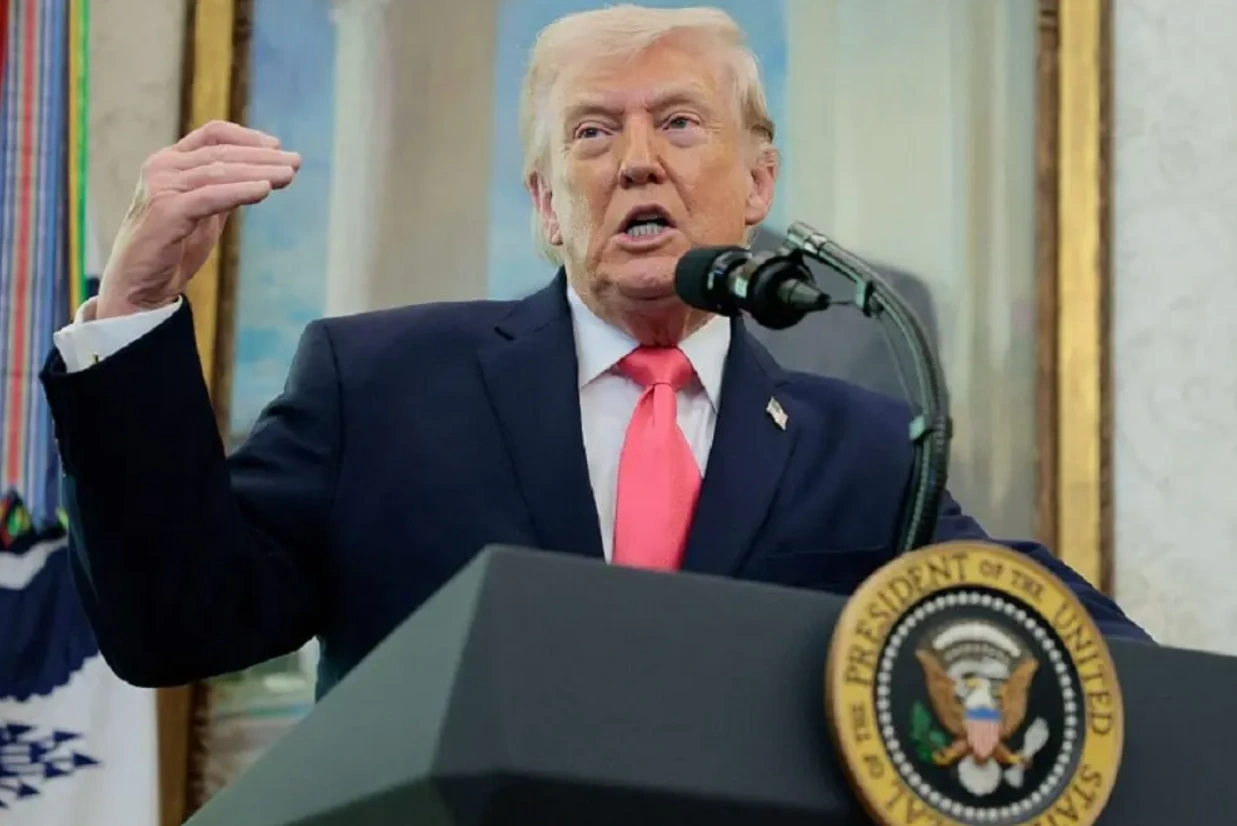
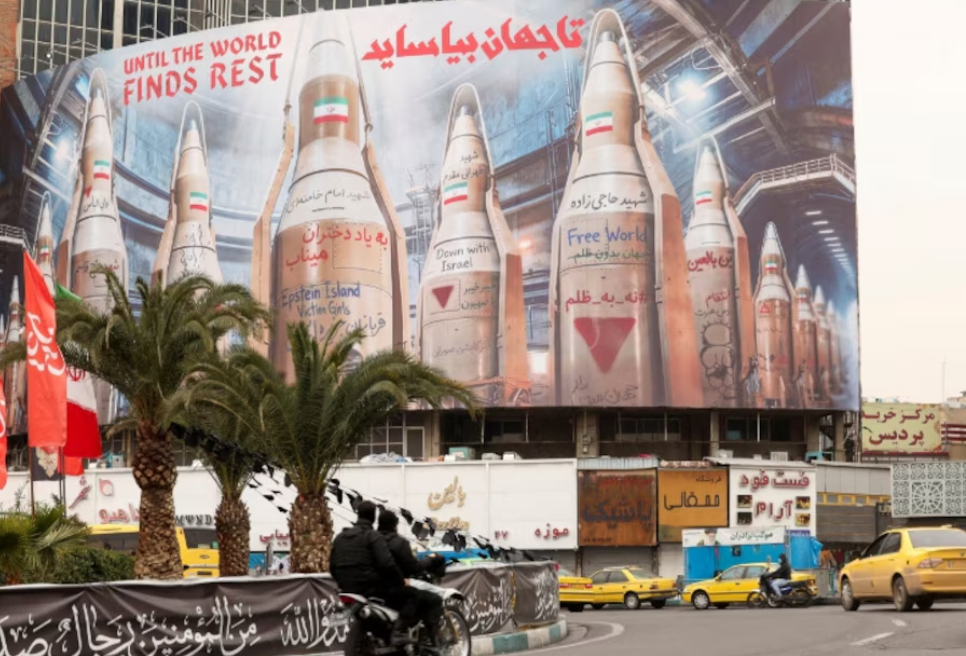
The Iranian regime once again showed its intransigent stance. While analyzing the peace plan promoted by Donald Trump, he made it clear that he is not willing to accept Washington's conditions.
According to sources close to the Iranian government, the initial response was negative. Despite this, the process is still open through international mediators
.
Trump's plan: nuclear disarmament and regional stability
The U.S. proposal includes a clear outline. It offers relief from sanctions and civil nuclear cooperation in exchange for concrete commitments.
Among them:
Dismantling the Iranian nuclear program
Limiting its missile arsenal Ensuring
free navigation in the Strait of Hormuz
This is an attempt to stop the regime's nuclear advance and stabilize the region
.
Iran responds with its own demands
Far from accepting the plan, Tehran presented
a diplomatic counterattack.
Among its main conditions:
Immediate end of military operations
Guarantees of future non-intervention
Economic compensation for damage
Ceasefire throughout the region
Recognition of its control over the Strait of Hormuz The
demands reflect a strategy of pressure after weeks of strong attacks on
its infrastructure.
A challenging stance despite internal wear and tear
From Iranian state media, the message was clear: the end of the war will depend exclusively on Tehran
.
“The conflict will end when Iran decides,” they said.
The rhetoric seeks to show strength, even though the country is facing a strong economic and energy deterioration.
International alert for the Iranian nuclear advance
The director of the IAEA, Rafael Grossi, warned of the seriousness of the situation
.
Iran has around 400 kilos of 60% enriched uranium, a level close to military use.
“No country without nuclear weapons operates at these levels,” he said.
This reinforces the urgency of reaching an agreement that limits nuclear development.
The United States maintains military pressure
While negotiations continue, the Pentagon reinforces its presence in
the region.
New troops will be deployed to ensure response capacity.
The strategy combines military pressure with a diplomatic channel promoted by Trump.
Negotiations in Islamabad under uncertainty
Pakistan acts as a mediator in the conflict. Key talks are expected in Islamabad in the coming days
.
Prime Minister Shehbaz Sharif seeks to facilitate a rapprochement between the two sides.
However, the distance between positions is still wide.
A scenario conditioned by energy pressure The
conflict also has an impact on markets. Tension in the Gulf raised the price of oil and raised global concern
.
In the United States, concern is growing about the economic impact of the crisis.
Iran dilates as the West seeks to close the deal
Tehran's initial rejection complicates negotiations. Even so, international pressure continues to increase.
The United States and its allies seek to limit nuclear progress and stabilize the region.
Faced with this, the Iranian regime maintains a strategy of confrontation, trying to gain room at the negotiating table.