
However, the initial calls from Washington were ignored.
Israel carried out new military operations, Tehran responded with a second wave of attacks, and regional tension escalated again.
Hezbollah continues attacking despite the ceasefire
The United States is simultaneously pushing for nuclear negotiations with Iran and diplomatic efforts to solidify a truce on the Lebanese front.
On June 3, Israel and Lebanon reached a conditional ceasefire in Washington that included:
The cessation of Hezbollah's attacks.
The withdrawal of its fighters to the north of the Litani River.
A new round of negotiations scheduled for June 22.
However, the agreement never stabilized the situation.
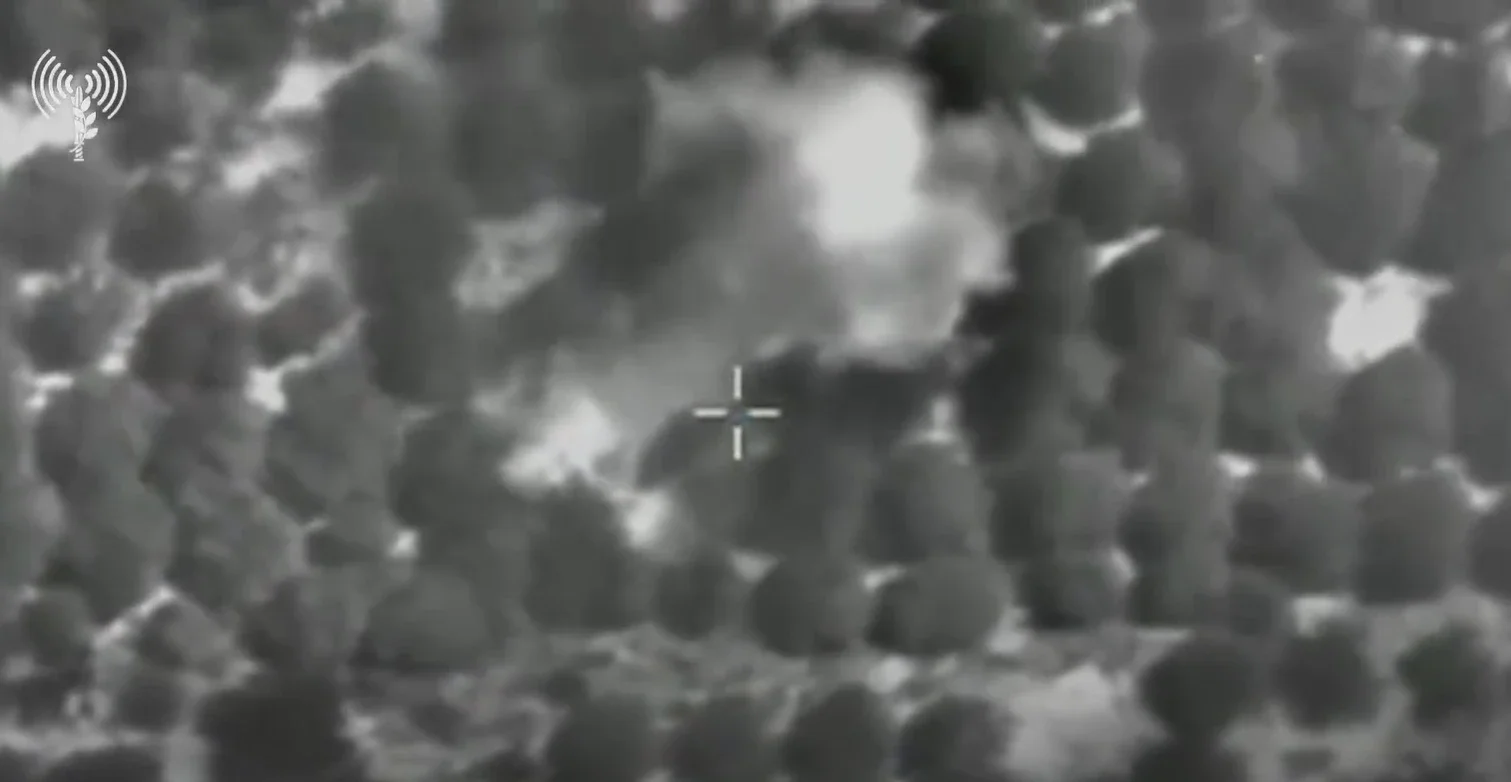
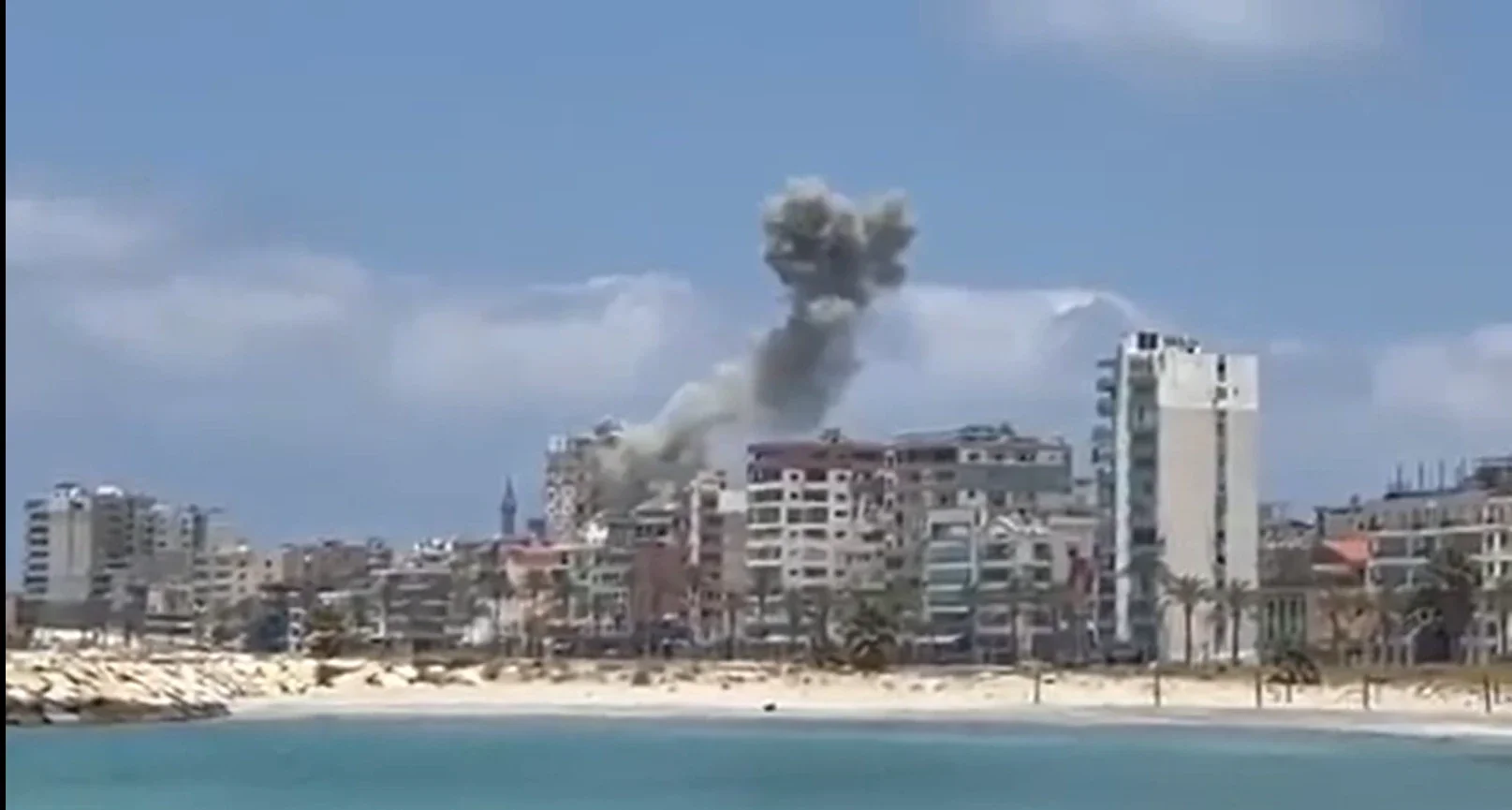
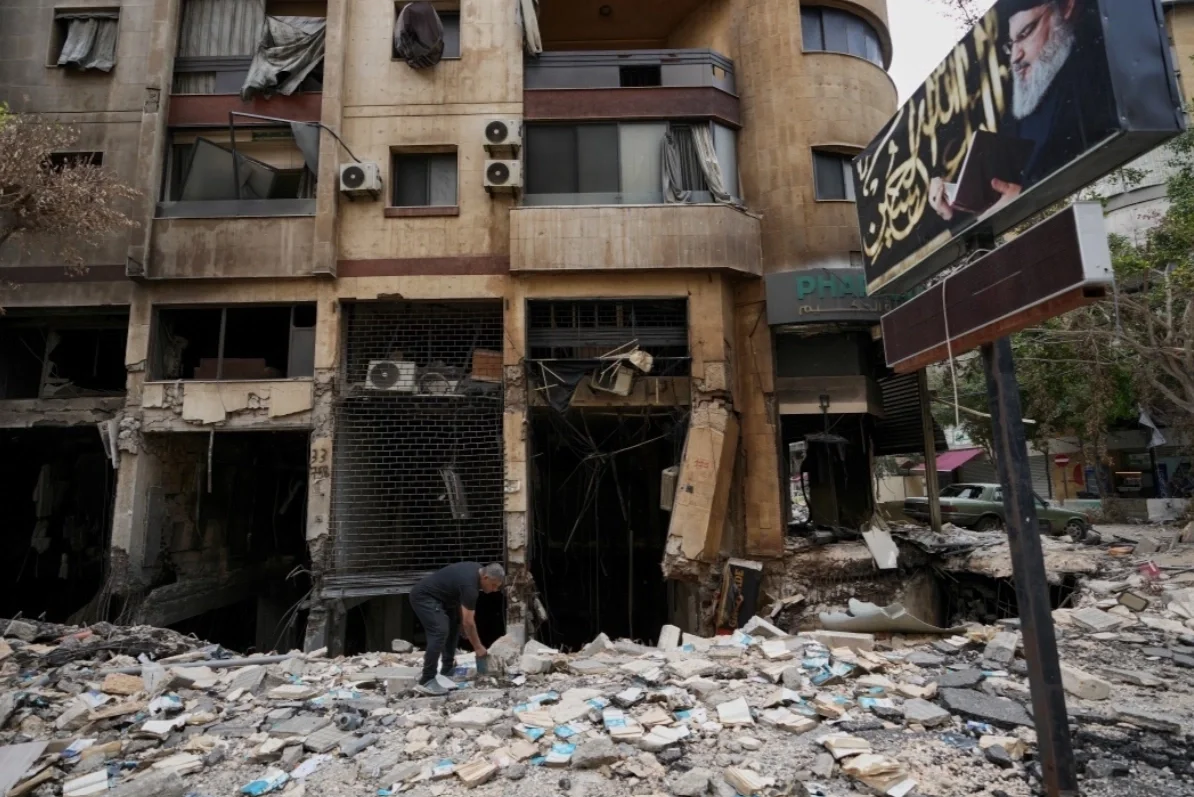
Israel continues its military operations in southern Lebanon, while Hezbollah continues launching projectiles and drones against Israeli positions and communities in the northern part of the country.
The current phase of the conflict began on March 2, when Hezbollah resumed its attacks following the Israeli bombings on February 28 against Iranian targets.
Since then, southern Lebanon has once again become one of the main hotspots of instability in the Middle East, while Israel makes it increasingly clear that, if deemed necessary, it is willing to reopen the front against the Iranian regime with full force.