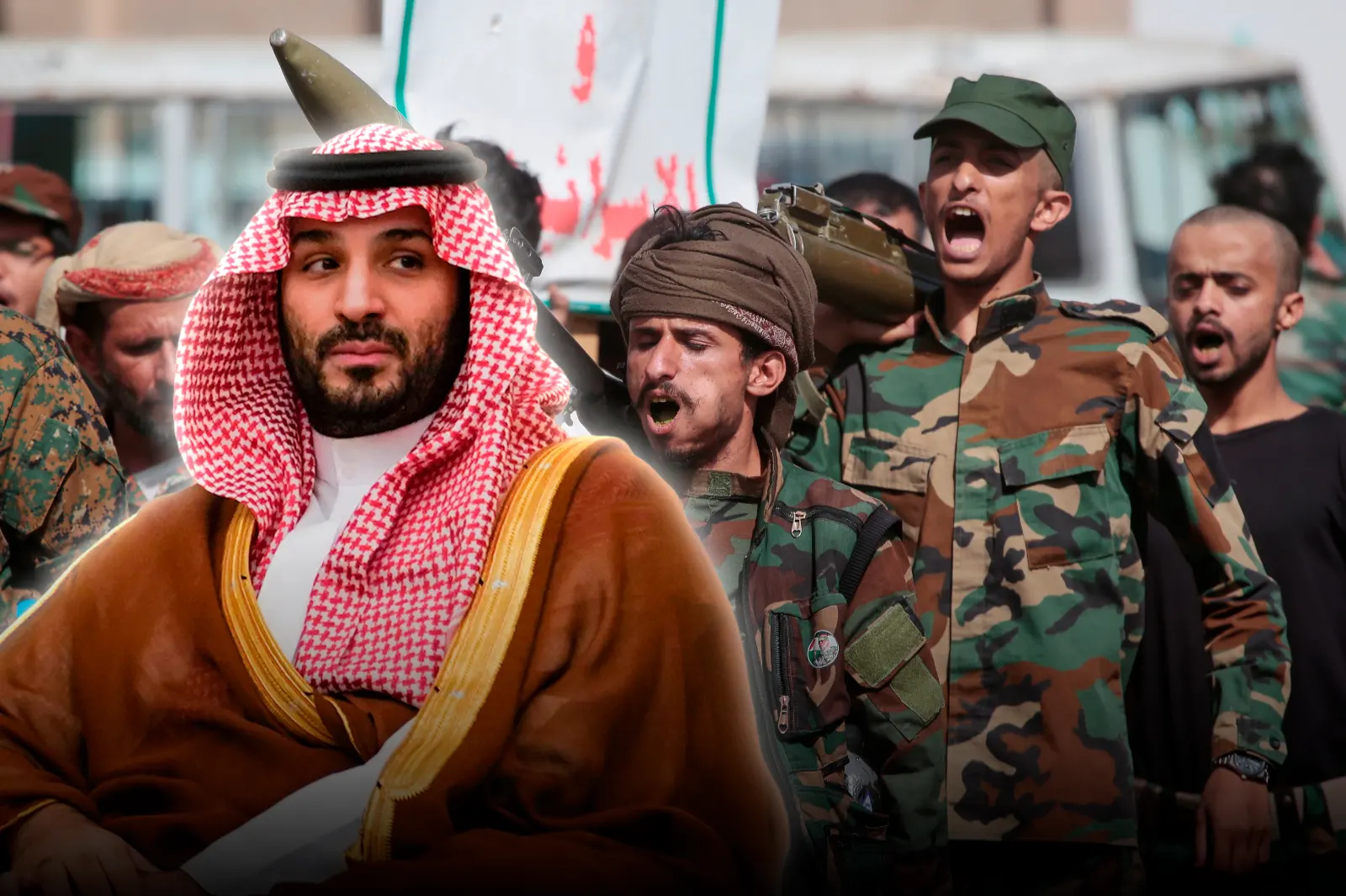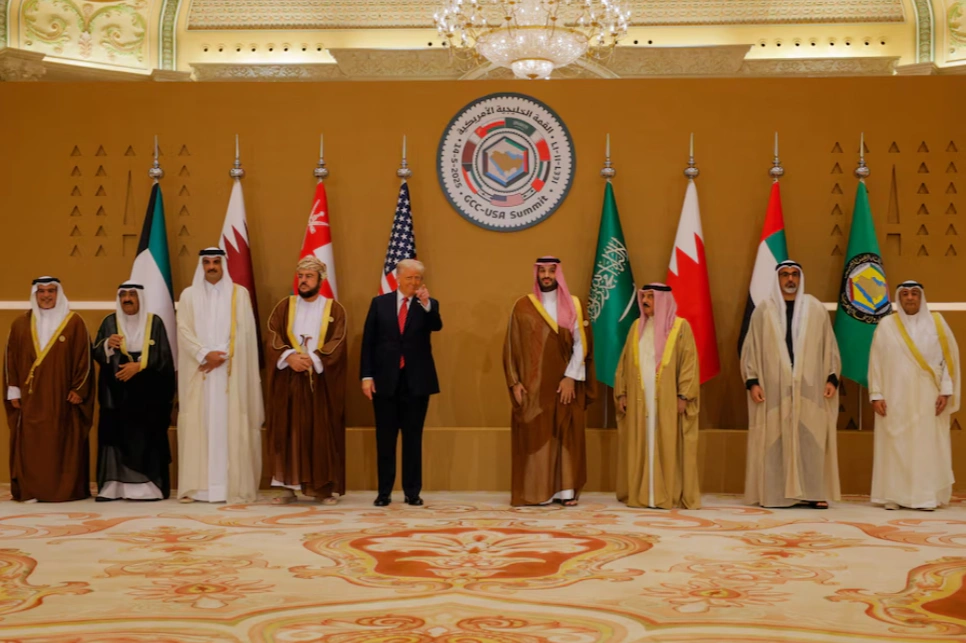

The main powers of the Persian Gulf began to tighten their stance against the Iranian regime. In a context of growing tension, key U.S. allies are evaluating greater involvement in the conflict
.The escalation comes after a series of Iranian-driven attacks that directly affected strategic infrastructures and economies in the region.
Saudi Arabia changes its position and reinforces its alliance with the US
Saudi Arabia took a significant turn.
The kingdom allowed the use of King Fahd airbase by U.S. forces.This is a key change. Before the conflict, Riyadh had tried to stay out of it.
However, missile and drone attacks against its territory forced a recalibration of its strategy.
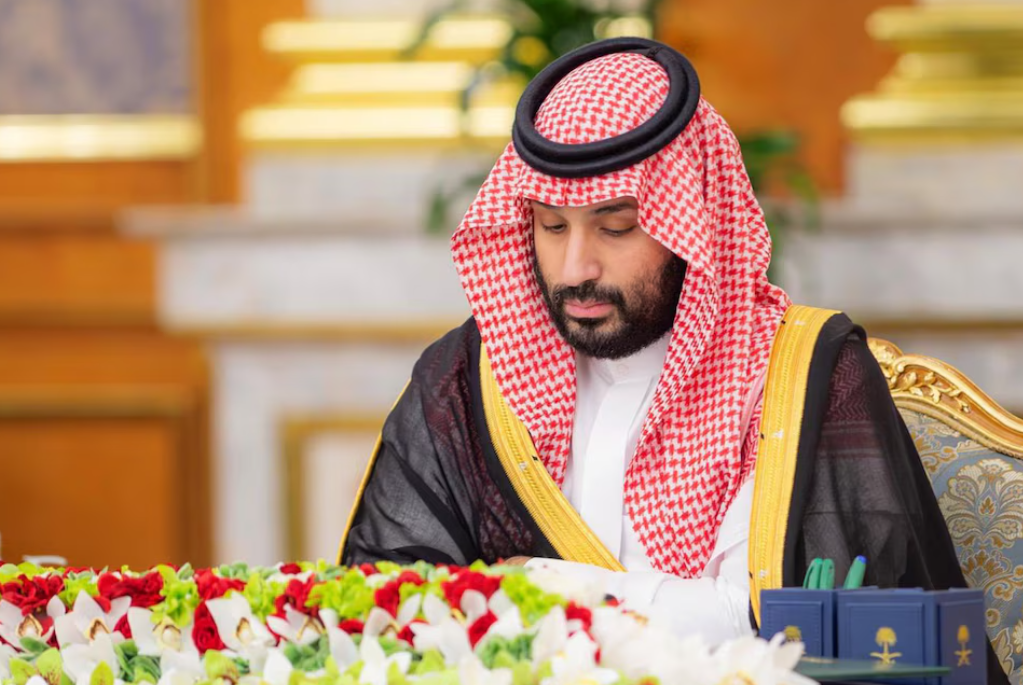
Crown Prince Mohammed bin Salman seeks to restore deterrence against Iran. “The margin of patience is not unlimited,” the Saudi foreign minister warned
.
Emirates move forward with measures against Iranian regime assets
The United Arab Emirates also made strong decisions. Among them, the closure of institutions linked to the Iranian regime in Dubai
.The Emirati government directly targeted structures related to the Revolutionary Guard.
The objective is clear: to cut off the flow of money and limit Iranian influence in the region.
These actions include potential asset freezes of billions of dollars.
Economic and military pressure on Tehran
The measures of the Gulf countries reinforce pressure on Iran on two fronts
.On the one hand, they limit their access to international funding. On the other hand, they facilitate U.S. military operations
.This dual front seeks to weaken the regime's ability to sustain its offensive.