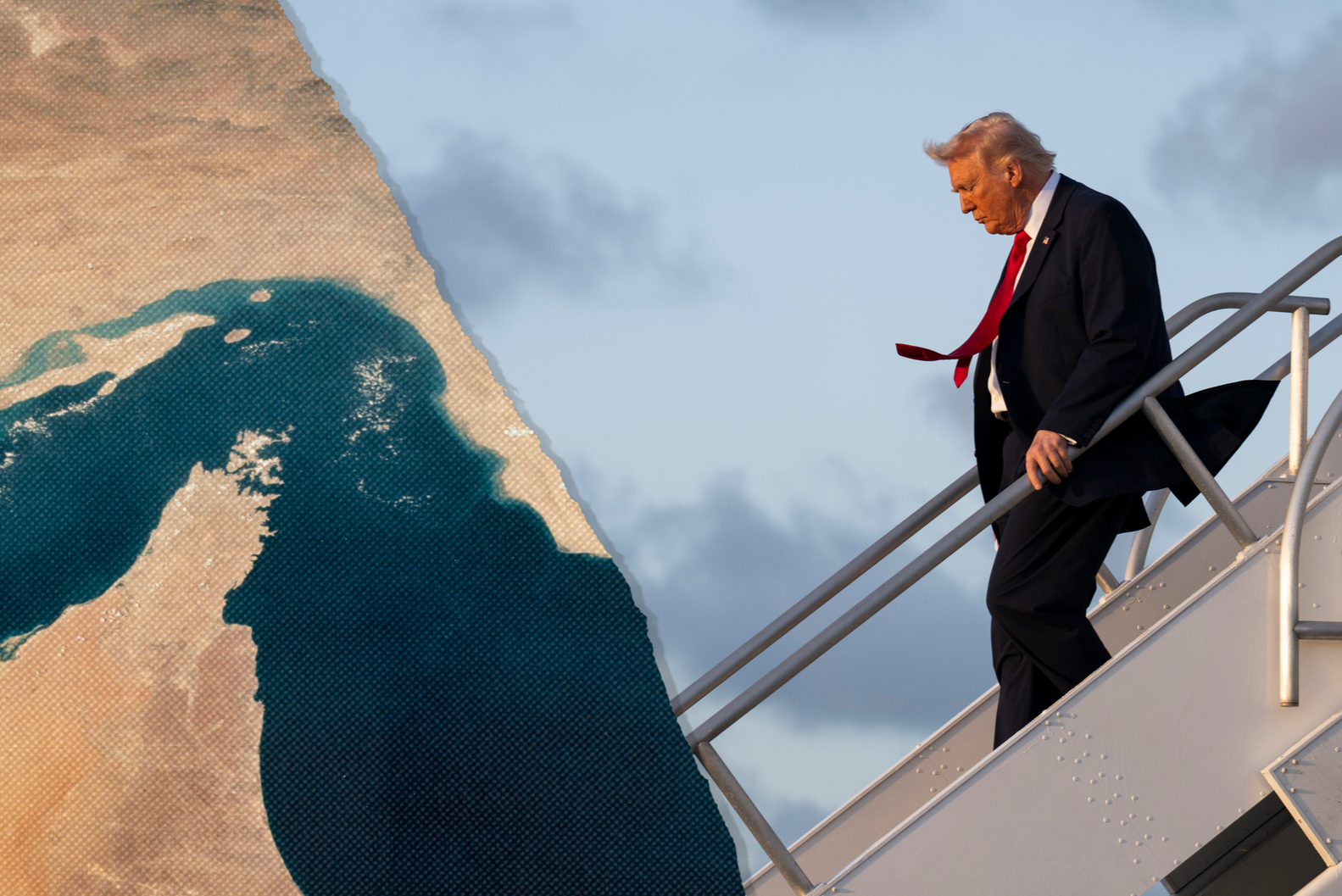
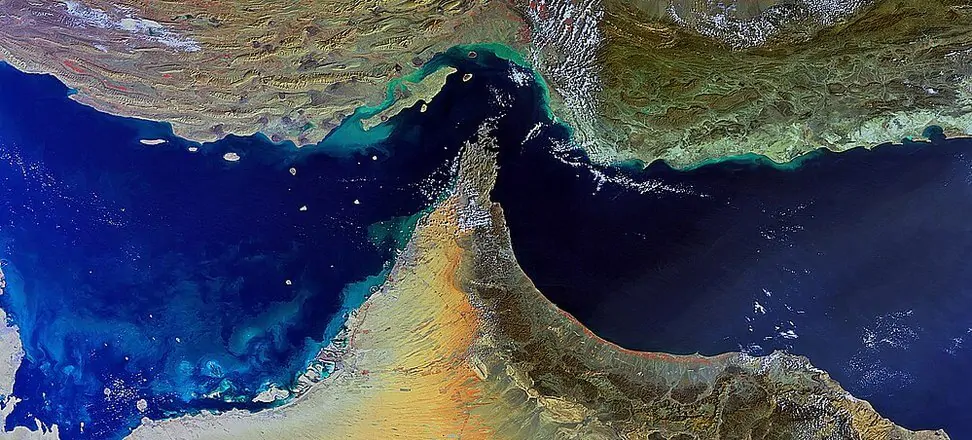
Oil tankers crossed the Strait of Hormuz again this week after President Donald Trump threatened Iran not to attackships that carry around 20% of the world's oil every day.
The number of oil tankers crossing the strait rose to 20% of its normal level on Monday, according to an analysis by Goldman Sachs. Some ships cross this route with their transporters turned off, something that also explains the increase in traffic in the enclave after almost a week in which the flow of oil was practically paralyzed due to
the ongoing war.
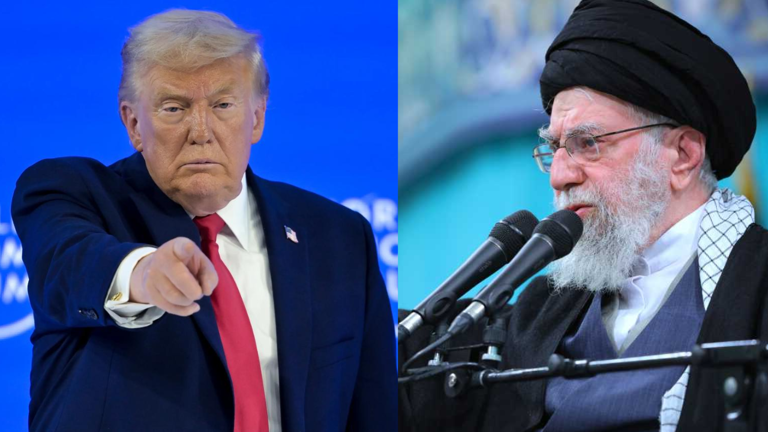
Trump, in an interview with CBS News Monday afternoon, said he was considering taking control of the key sea crossing and warned that the Iranian regime would be completely obliterated if it continued to threaten the global oil flow. The president also suggested that the U.S. military is close to achieving its objectives in “Operation Epic Fury”, stating that the country is “way ahead of schedule” in the war.
Image 1371539
Oil falls in markets after Trump's statements Trump's
interview caused the price of Brent crude to plummet and stocks to rise slightly. In another message, the Republican magnate stated that “if Iran does something to stop the flow of oil in the Strait of Hormuz, they will be hit by the United States of America TWENTY TIMES HARDER than they have been hit so far
.”
“In addition, we will eliminate easily destructible objectives that will make it virtually impossible for Iran to rebuild as a nation - death, fire and fury will reign over them - but I hope and pray that will not happen! ”, Trump added.
For his part, the US Secretary of War, Pete Hegseth, said during a press conference that on Tuesday that Iran's military capabilities continue to weaken while the regime is subjected to constant intense bombing of its territory. Since the start of the war last week, U.S. forces in conjunction with Israel have attacked more than 5,000 targets in Iran.
The war has caused gasoline prices to reach their highest national average since 2022 in the United States. Brent crude reached nearly $120 a barrel on Monday - its highest price in almost four years - but its price declined rapidly on the day, as predicted by Trump, who promised that oil prices “will fall rapidly when the destruction of the Iranian nuclear threat ends