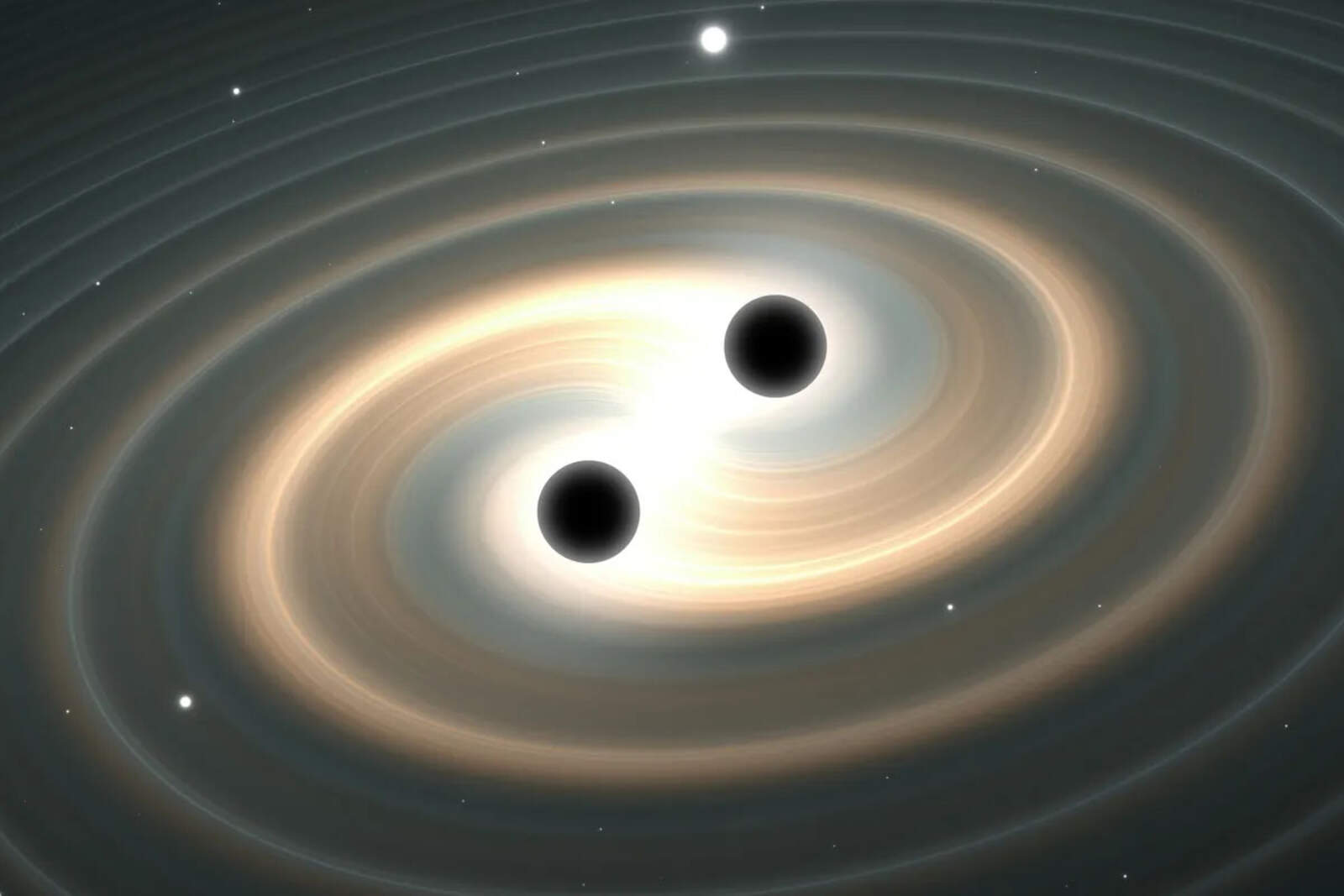

A recent discovery has once again placed black holes and the theories that transformed physics at the center of attention. An unprecedented signal made it possible to precisely verify predictions by Albert Einstein and Stephen Hawking.
The phenomenon, recorded by the LIGO (USA), Virgo (Italy), and KAGRA (Japan) observatories, was published in the journal Physical Review Letters. It is already considered a milestone in the history of astronomy.
A unique cosmic signal
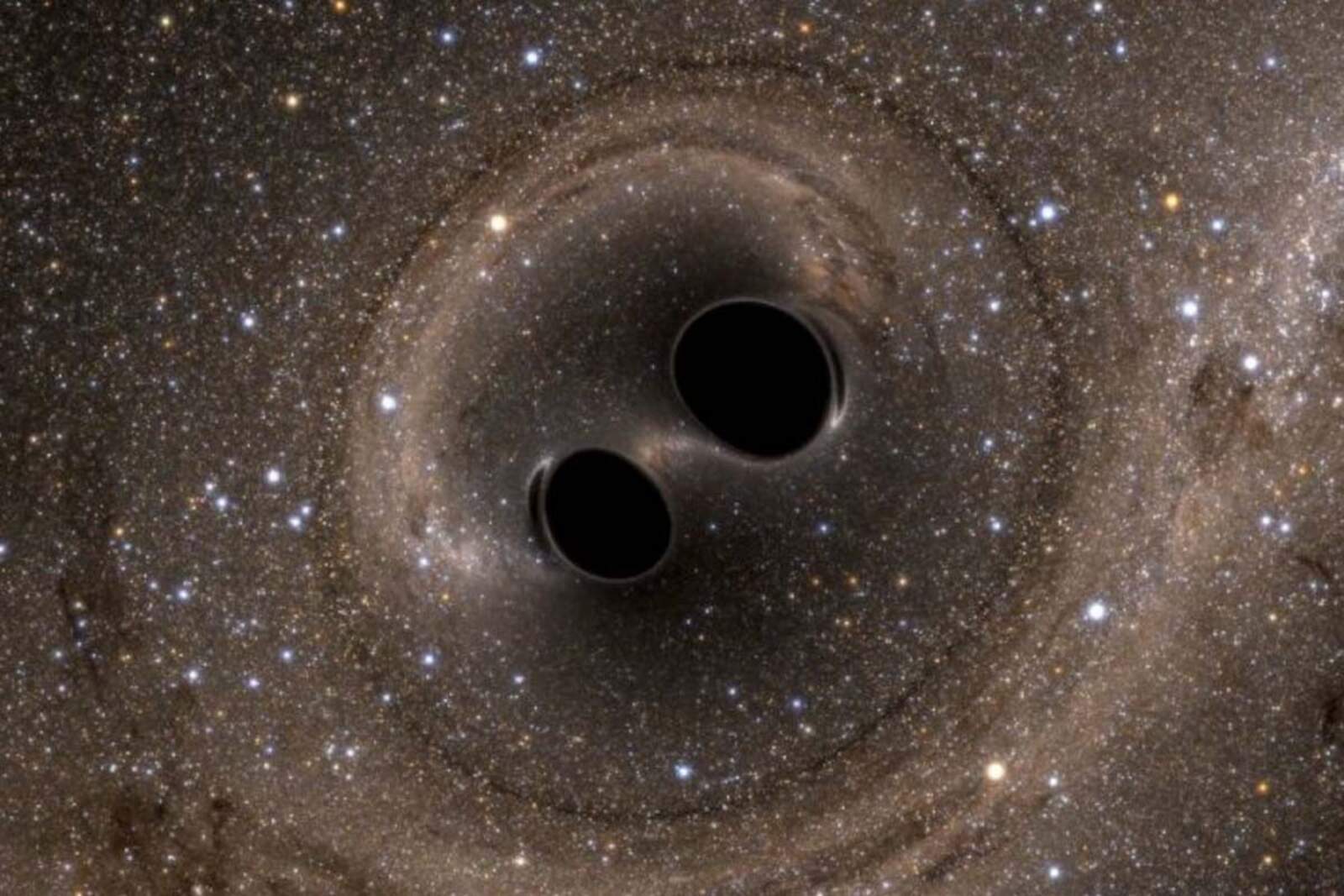
The collision, named GW250114, caused a remnant with the mass of 63 suns that spins one hundred times per second. The impact distorted the universe and created gravitational waves that traveled billions of light-years.
That reverberation was the clearest so far. It allowed confirmation that black holes are described only by mass and spin, just as mathematician Roy Kerr predicted in 1963.
Confirmation of key theories
The study validated two pillars of modern physics. On one hand, Einstein's general relativity, which predicts how gravity behaves under extreme conditions. On the other, Hawking's area theorem, which holds that the event horizon can never shrink.