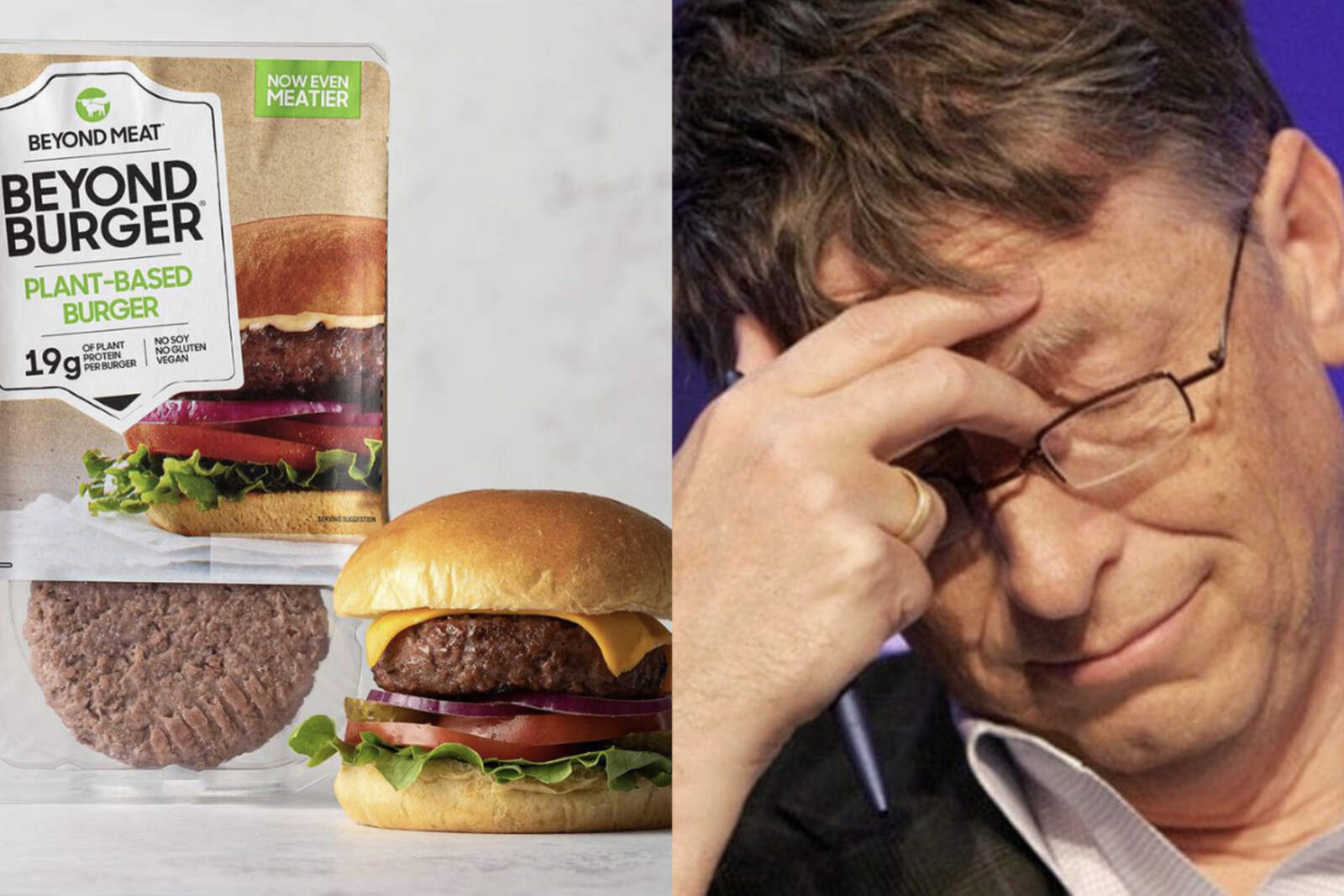
The synthetic meat multinational Beyond Meat is going through one of the most critical moments since its IPO. So far in 2025, the company has accumulated a drop of more than 77% in its share price. This reflects the exhaustion of a model that for years was promoted as the inevitable future of food.
The collapse doesn't respond to a specific event, but to a combination of structural factors. Sales in decline, increasingly narrow margins, growing indebtedness, and a sustained loss of confidence from investors. What was once presented as a food revolution today appears as a business that failed to consolidate itself outside very narrow ideological niches.
Caen las acciones de Beyond Meat y fracasa la carne sintética
For years, Beyond Meat promised to replace traditional meat with products supposedly more sustainable, ethical, and aligned with the climate agenda. However, the average consumer never fully adopted these foods.
For a growing segment of the public, these are expensive, highly ultra-processed products with unclear benefits for health and the environment. That perception translated into weak demand, which was unable to sustain the expectations that the market had placed on the company.
The ideological backing that was not enough to sustain the business
Beyond Meat's initial rise was strongly linked to the support of large investment funds and figures of technological globalism, including Bill Gates. That backing made it possible to inflate valuations and sustain an optimistic narrative for years, even when commercial results were beginning to show signs of fatigue.
Bill Gates fue uno de los inversores más importantes de la empresa
However, the market ultimately imposed its logic. The recent experience made it clear that the ideological narrative doesn't replace competitiveness or the product's appeal. The sharp stock market correction of 2025 confirms that the initial enthusiasm was based more on expectations than on solid essentials.
The cultural and political reaction to synthetic meat
Meanwhile, Beyond Meat is plummeting, traditional livestock farming is showing remarkable resilience. In numerous Western countries, meat consumption remains stable and even shows rebounds, driven by distrust toward food experiments perceived as artificial. For many consumers, lab-grown meat and plant-based substitutes have come to be seen as a cultural imposition associated with the most radical progressivism.
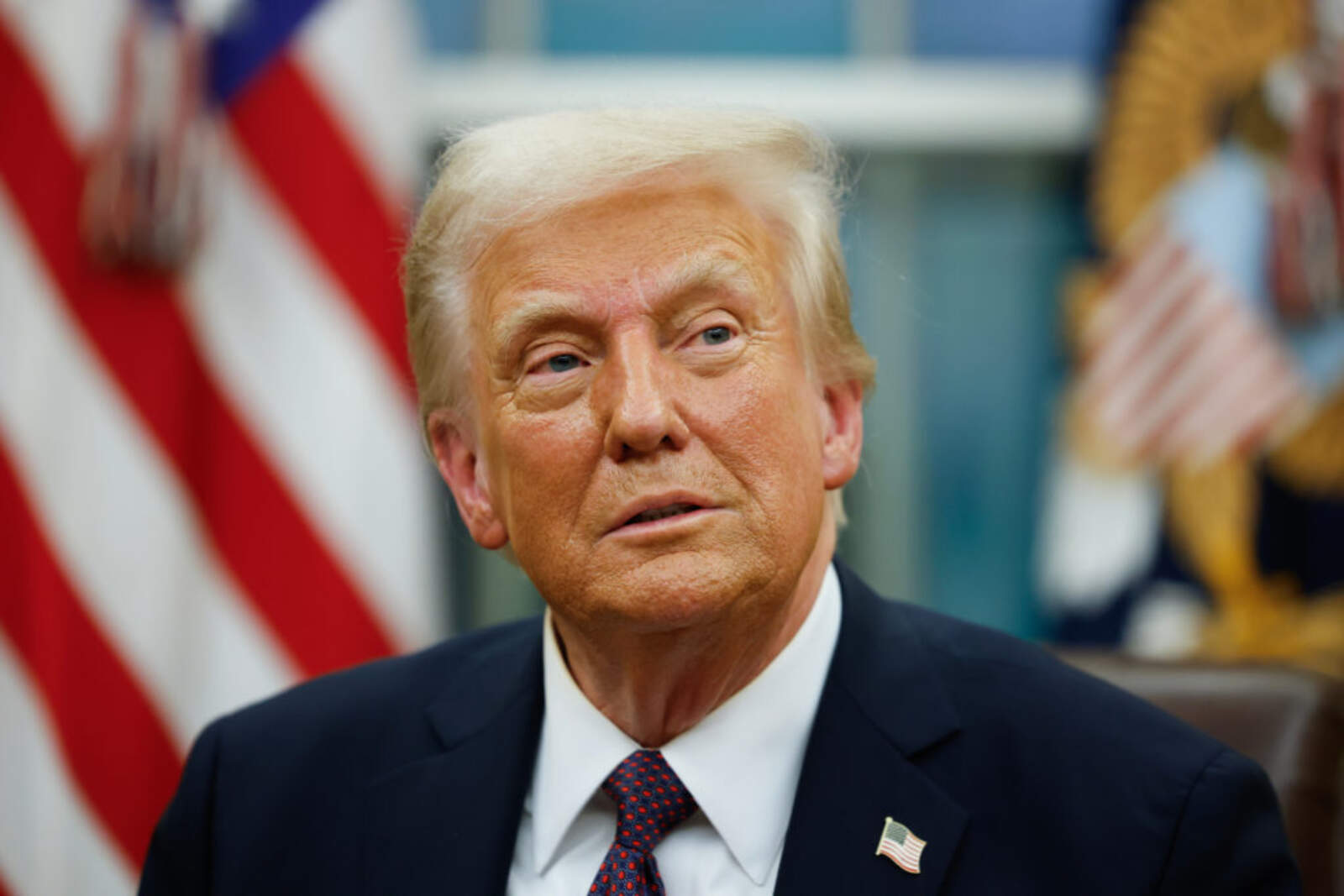
This change in climate is also reflected in politics. In the United States, Donald Trump openly defended traditional livestock production and citizens' right to choose what they consume.
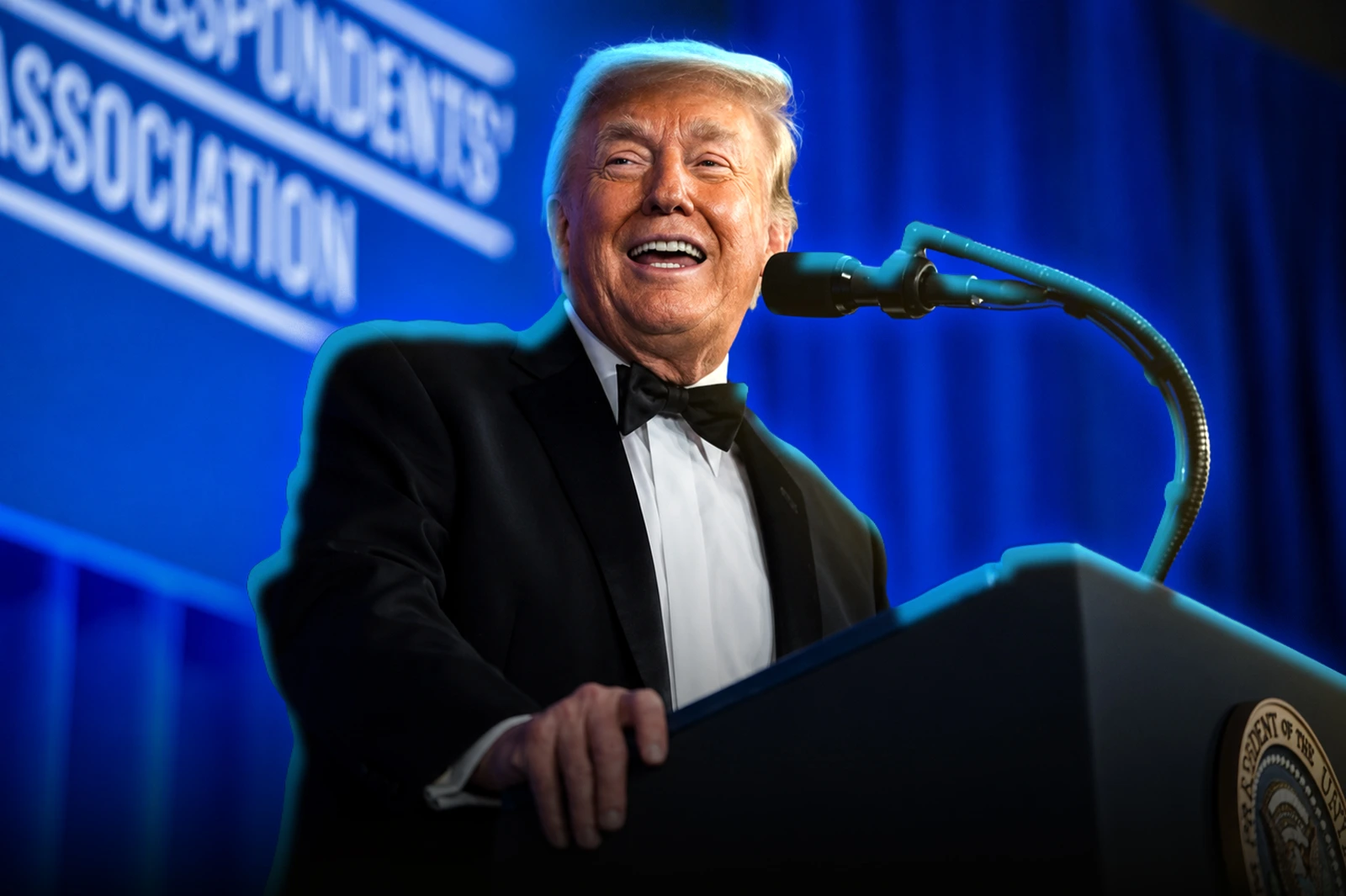
Donald Trump, presidente de Estados Unidos.
In Europe, the rejection was even more explicit: Italy approved a ban on the commercialization of lab-grown meat. The decision is based on the defense of its gastronomic tradition and its agri-food sector. Meanwhile, Hungary adopted a similar line, warning about the economic, health, and cultural risks of replacing livestock production with industrial experiments.
A trend shift that goes beyond Beyond Meat
Beyond Meat's collapse is not an isolated case. It adds to the bankruptcy of insect companies and other initiatives driven under the same paradigm. More than a simple stock market correction, what is being observed is a deeper trend shift.
Enthusiasm for ideologically inspired ultra-processed products is deflating, while the market is once again rewarding traditional, competitive, and culturally rooted options.
Far from "saving the planet," the synthetic meat model ended up colliding with economic reality and with the preferences of millions of consumers. For many, the conclusion is clear: when ideology tries to impose itself over taste, culture, and the real economy, the result is usually failure.