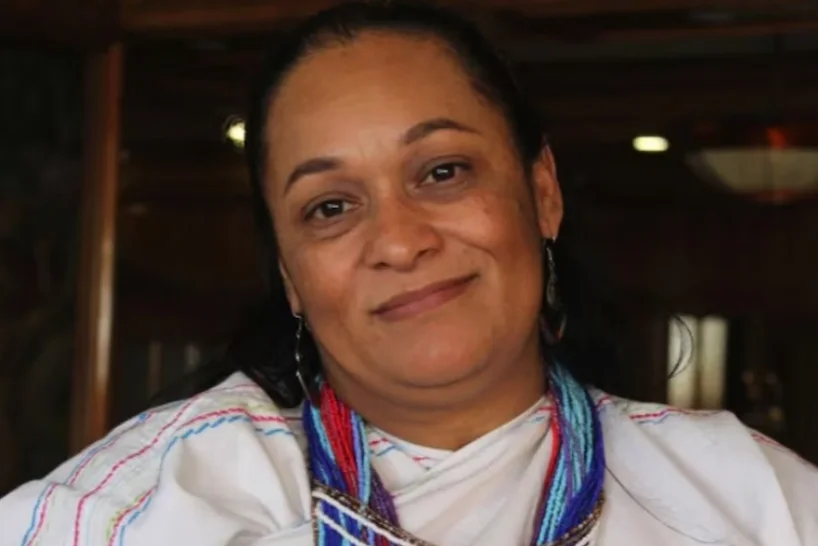
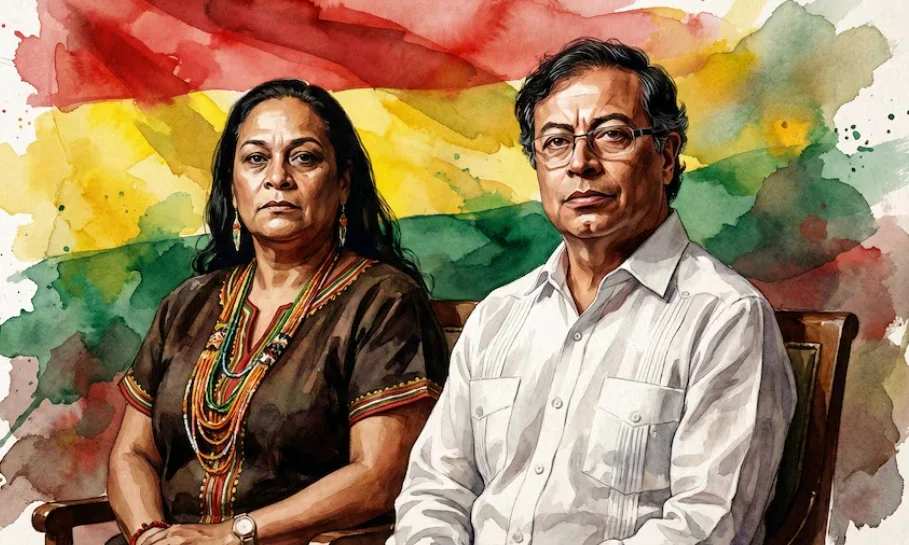
The government of Rodrigo Paz Pereira expelled the Colombian ambassador Elizabeth García and accused Gustavo Petro of interfering in the Bolivian political crisis and supporting Evo Morales.
Rodrigo Paz Pereira assumed the presidency just six months ago, ending nearly two decades of political hegemony of the Movement for Socialism (MAS), historically led by Evo Morales.
Since then, Bolivia has been undergoing a severe internal crisis marked by:
social protests
road blockades
wage demands
union and peasant mobilizations
The Bolivian Workers' Central demands a 20% wage increase, while the government deployed joint operations between the Police and Armed Forces to recover strategic corridors between La Paz and El Alto.
Bolivia clarified that it is not breaking relations with Colombia
Despite the expulsion of the ambassador, the Bolivian Foreign Ministry clarified that the measure does not imply a diplomatic break with Colombia.
The government of Rodrigo Paz assured that it will continue to keep bilateral cooperation channels open, although it made it clear that it will not tolerate foreign interventions regarding the internal political crisis.
A new regional tension surrounding Evo Morales
The expulsion of Elizabeth García marks one of the most tense diplomatic episodes between Bolivia and Colombia in recent years and once again places Evo Morales at the center of the regional political conflict.
While the former Bolivian president remains a fugitive and faces legal cases, the government of Rodrigo Paz seeks to consolidate a new political phase in Bolivia and halt any attempt at international pressure that could strengthen the old MAS apparatus.
The crisis also exposes the growing ideological differences between Latin American governments aligned with Petro and regional sectors that question the political influence of progressivism over internal conflicts in other countries.
The Government of Bolivia declared the Colombian ambassador, Elizabeth García, persona non grata and ordered her expulsion from the country, considering that Colombian President Gustavo Petro engaged in a “constant interference” in Bolivian internal affairs related to the political and judicial situation of Evo Morales.
The decision was formalized on May 20 through a statement from the Bolivian Foreign Ministry, which accused the Colombian leader of supporting a “destabilizing movement” against the administration of Rodrigo Paz Pereira.
Bolivia accused Petro of intervening in the internal crisis
The Ministry of Foreign Affairs of Bolivia stated that Gustavo Petro's recent statements violated the principles of respect for sovereignty and non-intervention established by international law.
“The Plurinational State of Bolivia considers it essential that any external assessment or statement regarding the internal situation of the country be conducted with responsibility, diplomatic prudence, and full respect for the current democratic and constitutional institutional framework”, the official statement noted.
The Foreign Ministry also informed that Elizabeth García was given the appropriate time to leave Bolivian territory in accordance with the Vienna Convention on Diplomatic Relations.
The statements by Petro that triggered the crisis
The diplomatic tension escalated after several messages published by Gustavo Petro on the social network X, where he described the protests in Bolivia as a “popular insurrection” and attributed the crisis to “geopolitical arrogance”.
Furthermore, the Colombian leader defended the need to guarantee political rights in Latin America and stated that:
“There should be no political prisoners anywhere in the Americas”.
Bolivia expelled the Colombian ambassador and accused Petro of being a destabilizer.
In Bolivia, various sectors interpreted those statements as an indirect endorsement of Evo Morales, currently a fugitive after being declared in rebellion by the Bolivian Justice in a case involving alleged crimes of human trafficking.
Evo Morales publicly supported Petro
Following the messages from the Colombian president, Evo Morales publicly thanked for the support received and praised Petro for “defending the sovereignty of Latin America against the arrogance of imperialism”.
The reaction from the Bolivian government was immediate. From La Paz, they asserted that Petro's statements: