The Prosecutor's Office reported that the criminal cases remain open after nearly 50 days of protests and roadblocks that caused severe economic losses and clashes with security forces
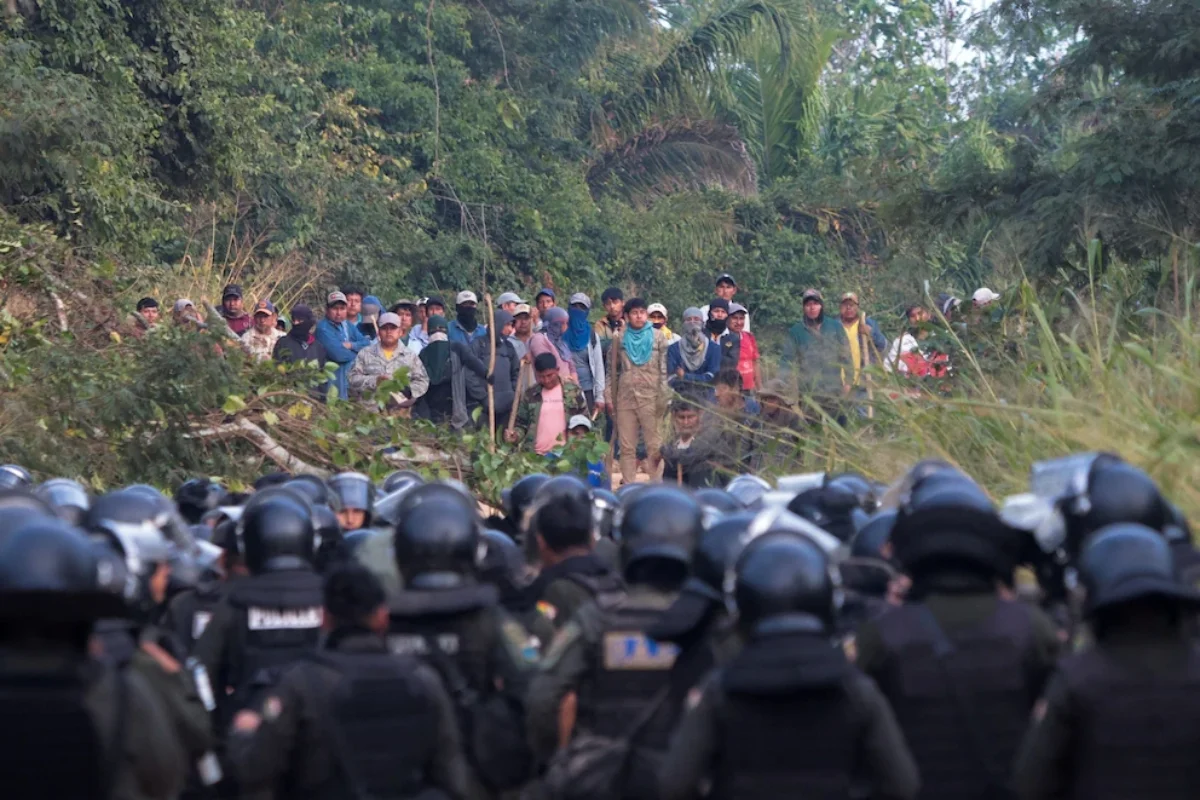
The Government deployed police and military operations to restore circulation at various strategic points. The procedures led to clashes between protesters and security forces, as well as the detention of individuals accused of participating in violent actions during the blockades.
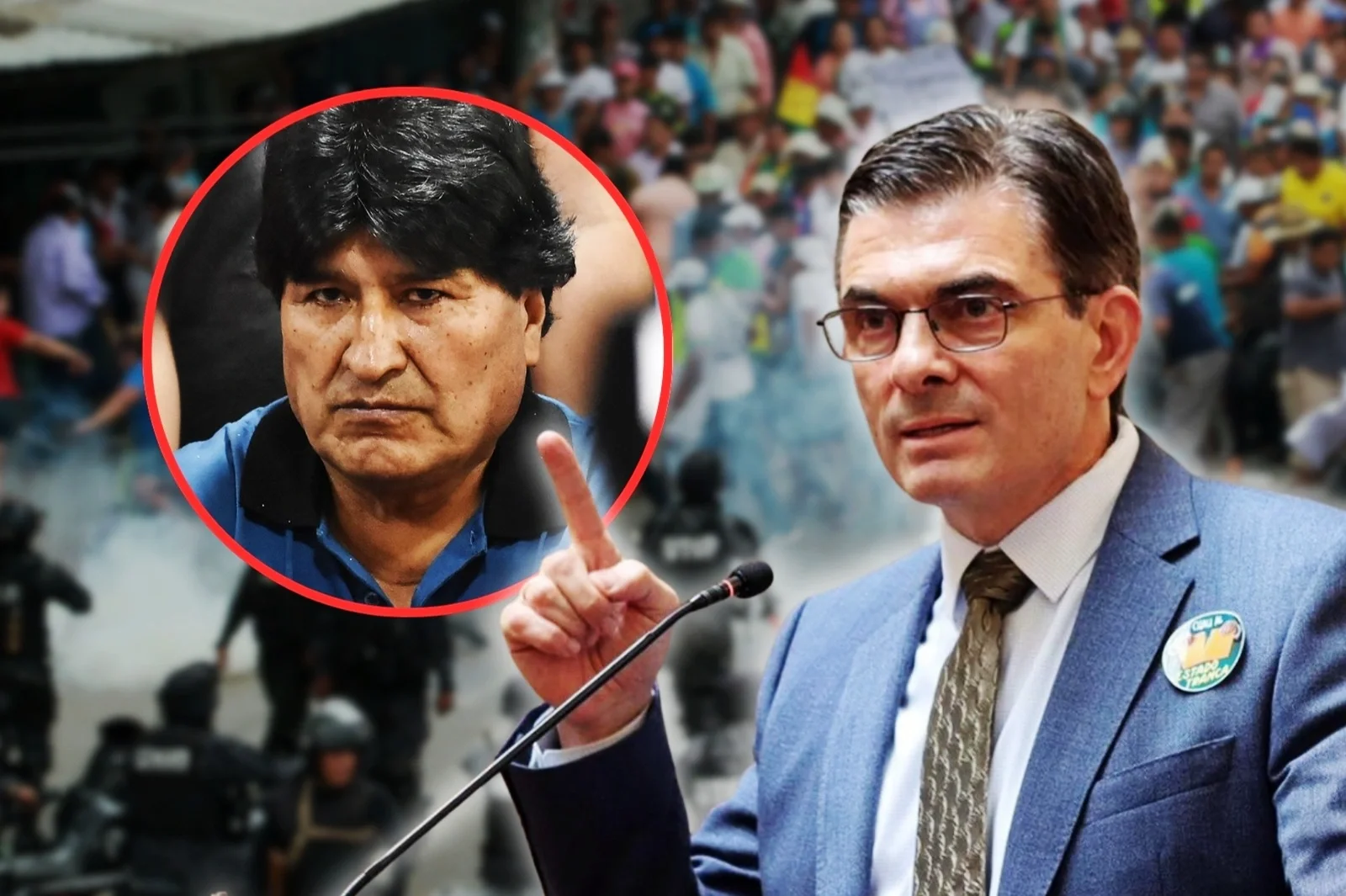
The Attorney General of Bolivia reported that more than 300 people are being investigated for their alleged participation in the roadblocks organized by former dictator Evo Morales, which affected various regions of the country for nearly 50 days, interrupting the transport of goods and causing a significant impact on the national economy.
The investigations remain open and cover crimes related to the obstruction of public roads, damage to state property, and other incidents recorded during the protests.
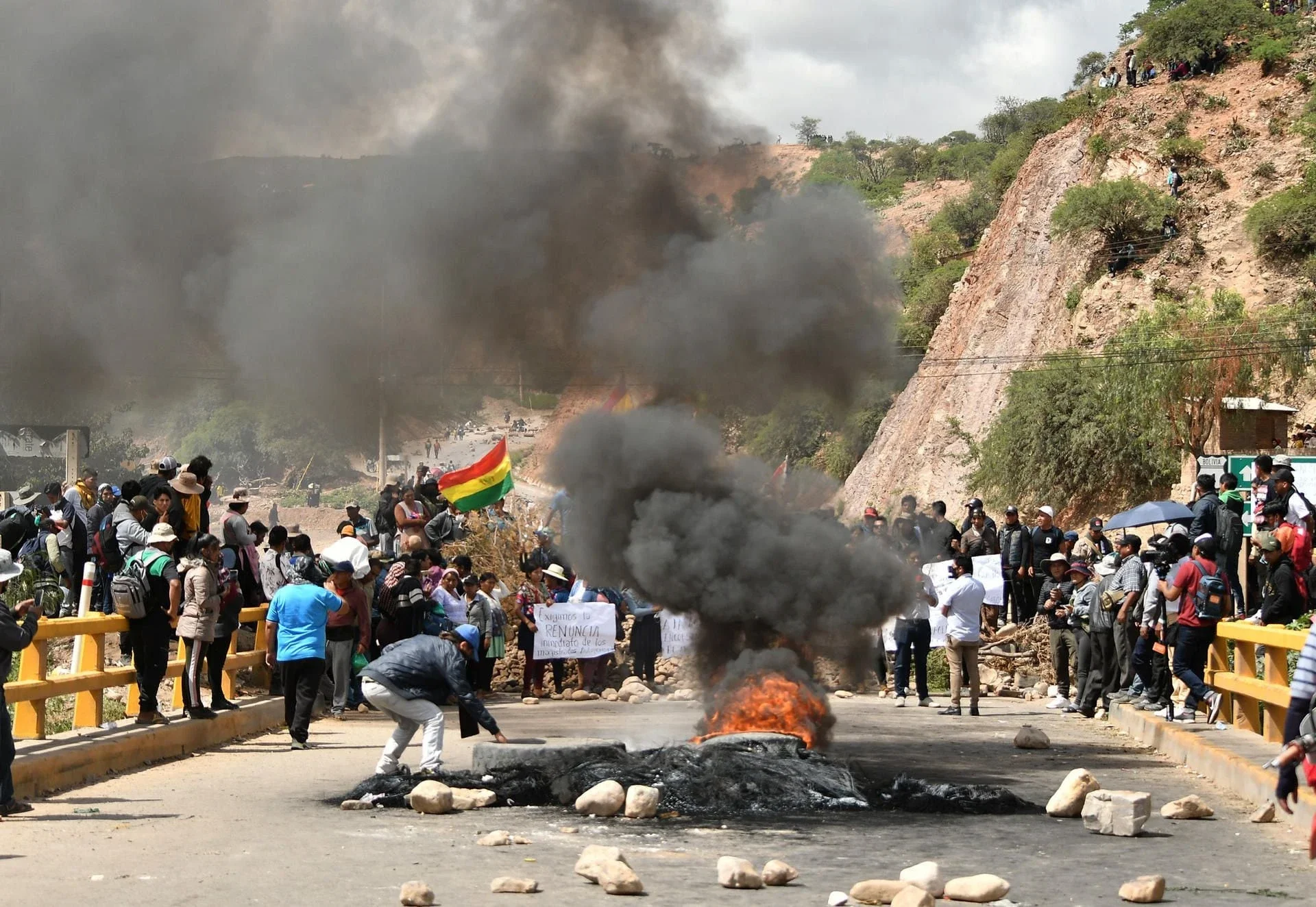
Supporters of Evo Morales blocking a road
The Attorney General of the State, Roger Mariaca, stated that several of those involved remain in preventive detention while evidence collection progresses. He also indicated that the Public Ministry will continue to promote investigations to determine the individual responsibilities of those who participated in the blockades and in the incidents that occurred during the mobilizations.
The protests began as a pressure measure driven by sectors aligned with former dictator Evo Morales and resulted in extensive roadblocks that affected the supply of food, fuel, and other essential products. For several weeks, traffic between the main departments of the country remained interrupted, causing difficulties for internal trade and exports.
Once the roads were cleared, authorities initiated a series of criminal investigations to clarify the events recorded during the weeks of conflict.
Bolivian police in front of an Evo Morales blockade
According to official estimates, the blockades caused millions in losses for the Bolivian economy by affecting agricultural production, industrial activity, tourism, and the transport of goods. Various business chambers warned that the prolonged interruption of routes harmed internal supply and reduced the country's export capacity in an already complex economic context.
The Attorney General stated that judicial processes will continue until the corresponding responsibilities are established and reiterated that investigations will be conducted in accordance with current legislation. Meanwhile, the Government seeks to consolidate the normalization of circulation on the roads and prevent new episodes of conflict that could compromise economic stability and the functioning of essential services.