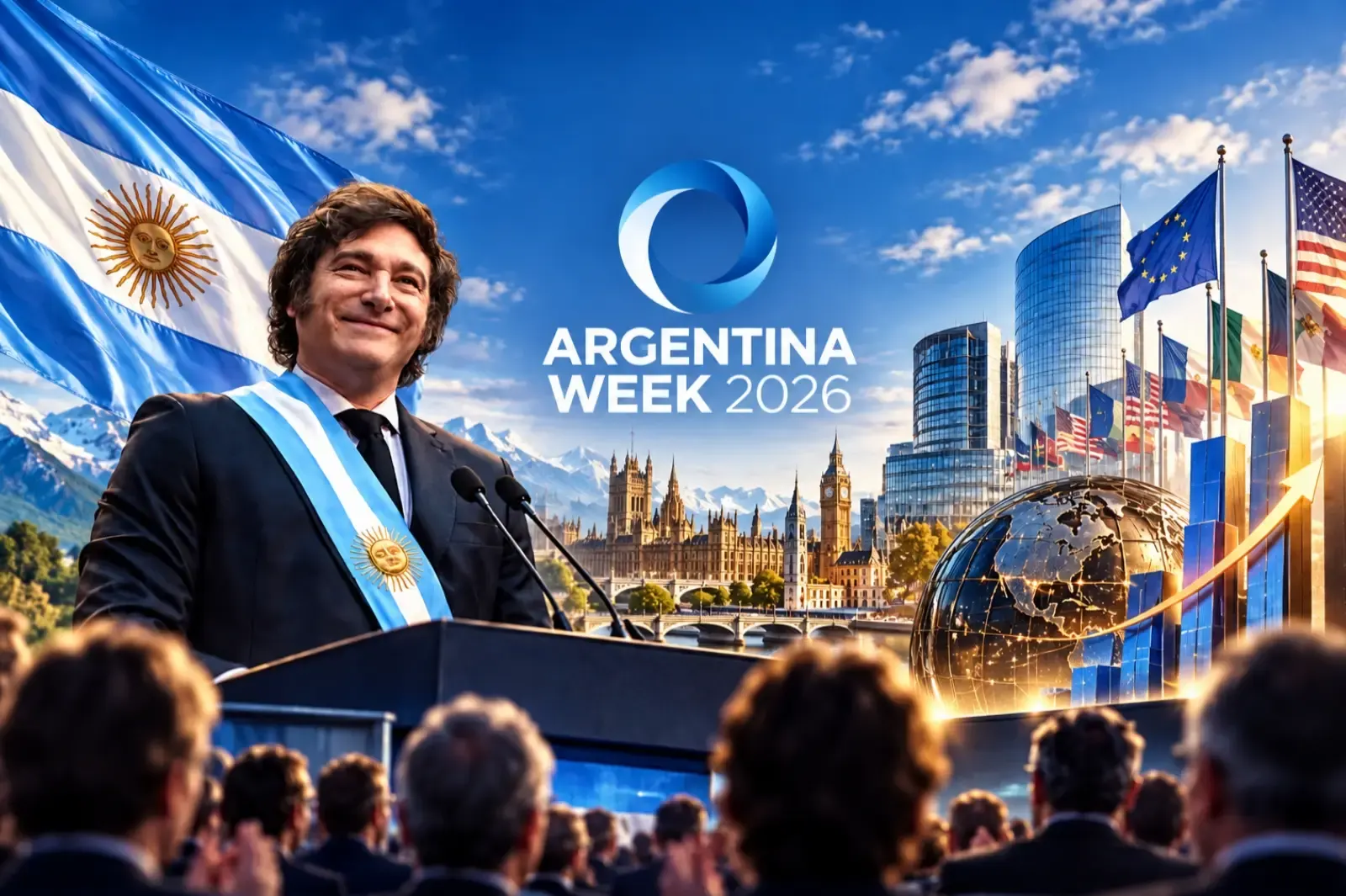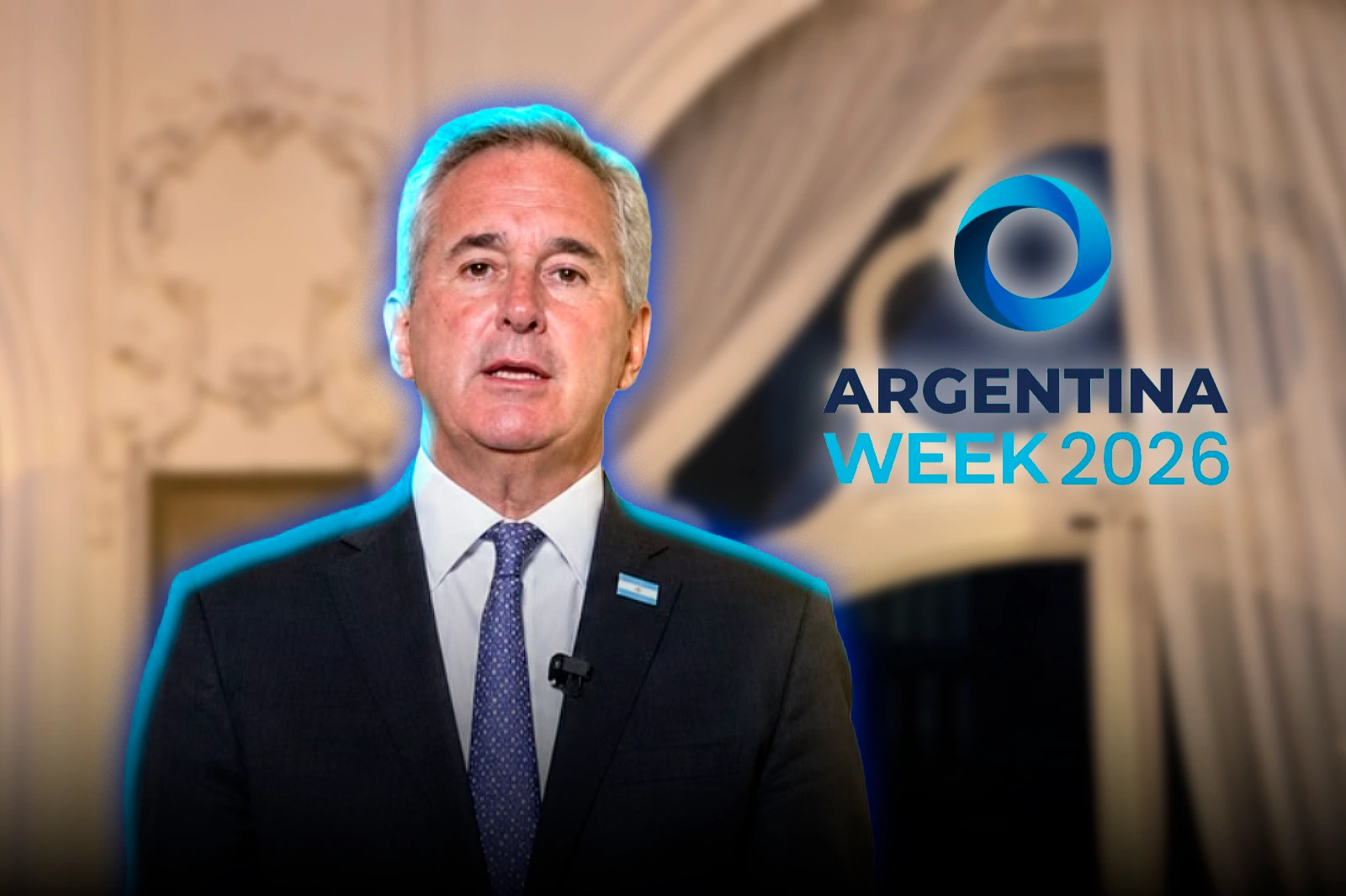

In a compelling demonstration of the structural transformation led by President Javier Milei, Argentina has once again emerged as a beacon of economic freedom among the greatest powers. During the event Argentina Week, held at the OECD headquarters in Paris, France, Argentine Chancellor Pablo Quirno delivered a masterful presentation detailing the roadmap that reinserts the country into the markets. Since December 10, when the libertarian leader signed the decree promoting the OECD accession plan, the administration has set a course based on building credibility and trust. After overcoming more than 30 months of reforms, Argentina demonstrates that it has left behind populist isolation to play by the same rules as developed nations.
Chancellor Pablo Quirno recalled that the legacy received by the economic team —composed of Minister Luis Caputo and President Javier Milei— presented a very difficult situation that was reversed by honoring all contracts and without taking shortcuts. The strategy began by cutting the fiscal deficit in record time. This macroeconomic stability allowed for a long-term perspective, complemented by the aggressive deregulation agenda led by Federico Sturzenegger, returning time and resources to the private sector to open up the economy. Furthermore, the government adopted a clear international stance: an unrestricted alignment with the United States and the Western world.
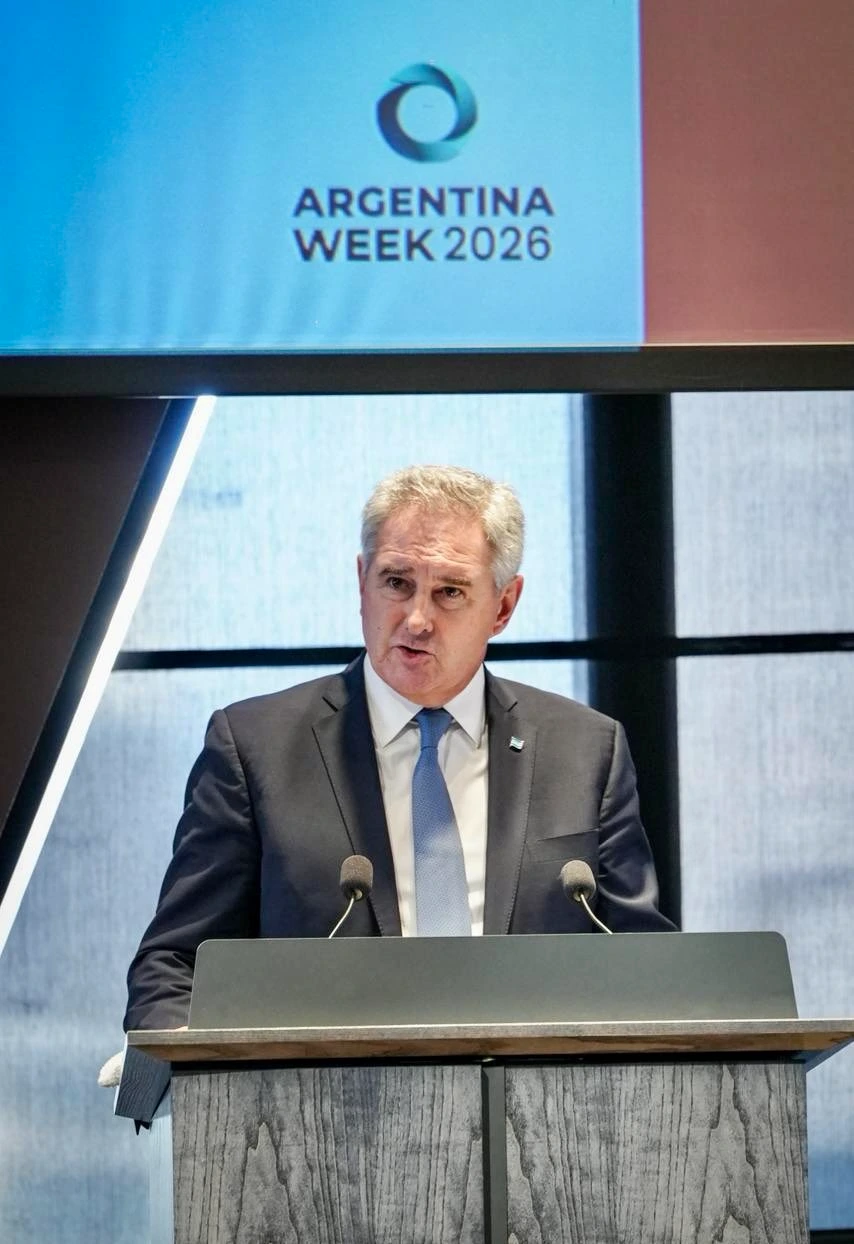
In foreign trade, Pablo Quirno presented overwhelming figures. Upon taking office, Argentina traded with only 10% of the global GDP. With the validated agreements —the Mercosur-Singapore agreement, the bilateral pact with the United States, the historic EU-Mercosur treaty (after 26 years of negotiation, provisionally in effect since May) and the Mercosur-EFTA agreement— coverage reached nearly 30% of the global GDP. Thanks to deregulation and the elimination of procedures such as export certificates ("paperwork," according to Federico Sturzenegger), within 24 hours, Argentina captured the entire Mercosur honey quota (provided by Entre Ríos) and 100% of the rice quota.
Adding negotiations with Japan, India, Vietnam, the initiation of the agreement with the United Arab Emirates, and the request for accession to the CPTPP (which adds another 30% of the world GDP), the country will trade with 50% and projects to reach 80% of the global GDP in four years. Additionally, within the framework of the Reciprocal Trade and Investment Agreement with the United States, the Andes-Atlantic Corridor was announced in New York, backed by USD 7 billion from EXIM Bank until the end of 2027 for energy and mining infrastructure.