
Two additional reforms will be included in the presidential decree:
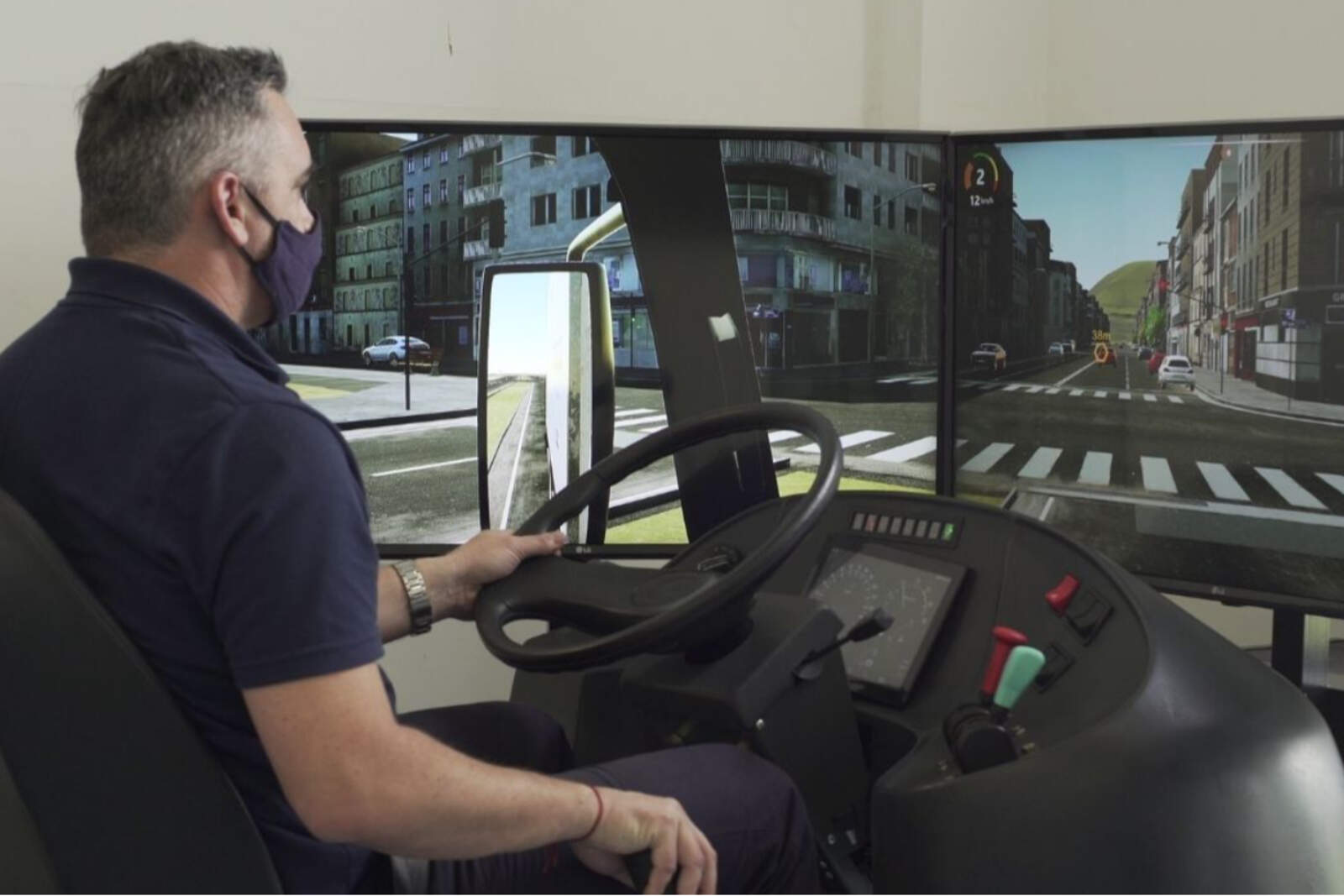
- Elimination of the National Interjurisdictional Transport License (LINTI) or "Moyano Registry,” delegating to the provinces the issuance of professional licenses for drivers of categories C, D, and E.
- Changing the address on the DNI will no longer invalidate the Driver's License, which will remain valid until its expiration date.
While for now, eliminating the expiration of private licenses is not being considered, the Government may evaluate it in future reforms.
Importation of auto parts and regulation of autonomous vehicles
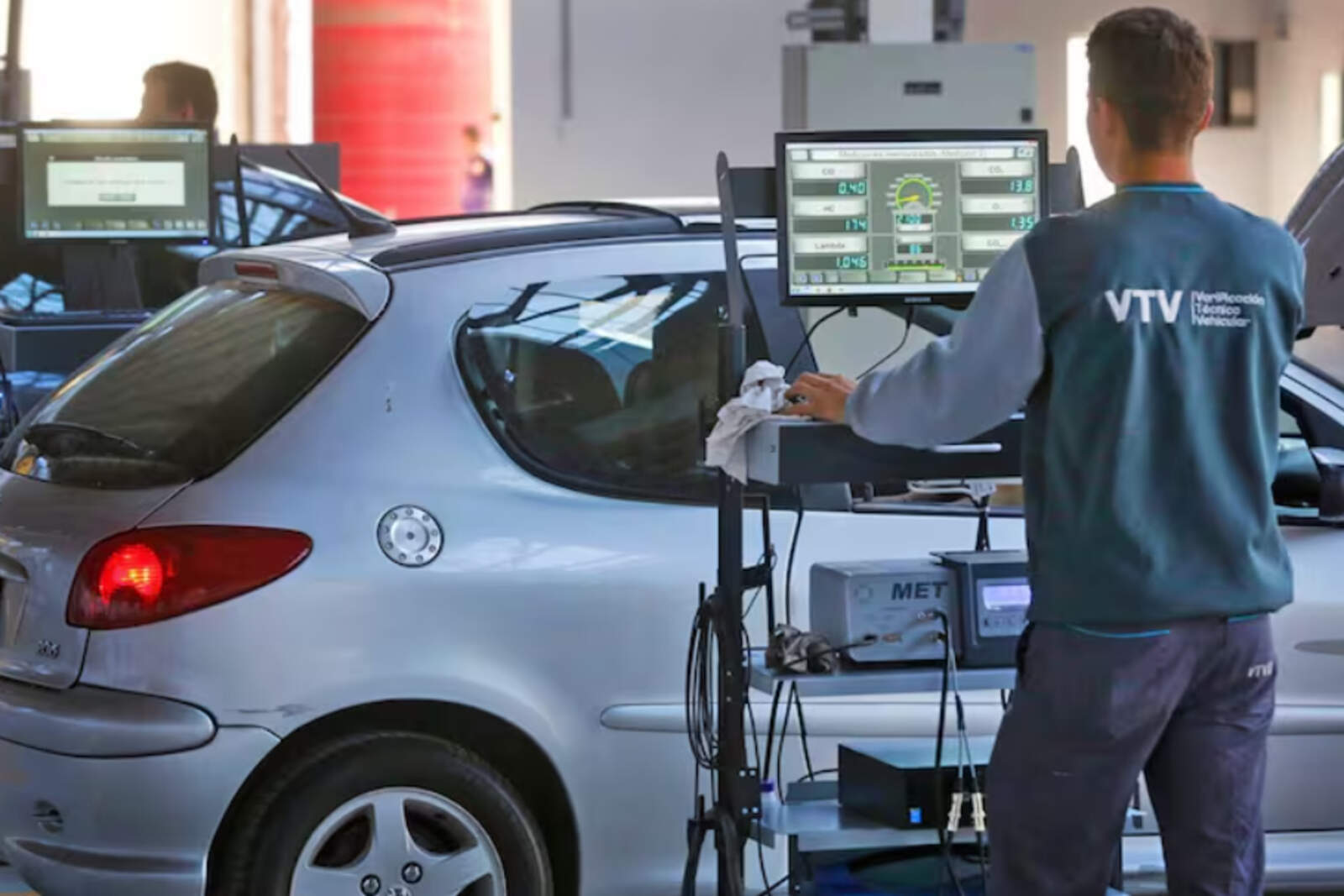
To reduce costs, the free importation of auto parts will be allowed, eliminating the Certification of Safety Auto Parts Homologation (CHAS). According to presidential spokesperson Manuel Adorni, this measure will not affect safety but will prevent a shortage of spare parts and reduce vehicle maintenance costs.
On the other hand, autonomous vehicles will be included in the National Traffic Law, establishing a legal framework for their future integration into the automotive fleet, once the technology is completely safe.
Objective: reduce costs and streamline procedures
The Government argues that these changes aim to optimize controls, reduce costs, and streamline procedures for both drivers and companies. The publication of the decree in the Official Gazette will detail how these modifications will be implemented and their impact on different jurisdictions.