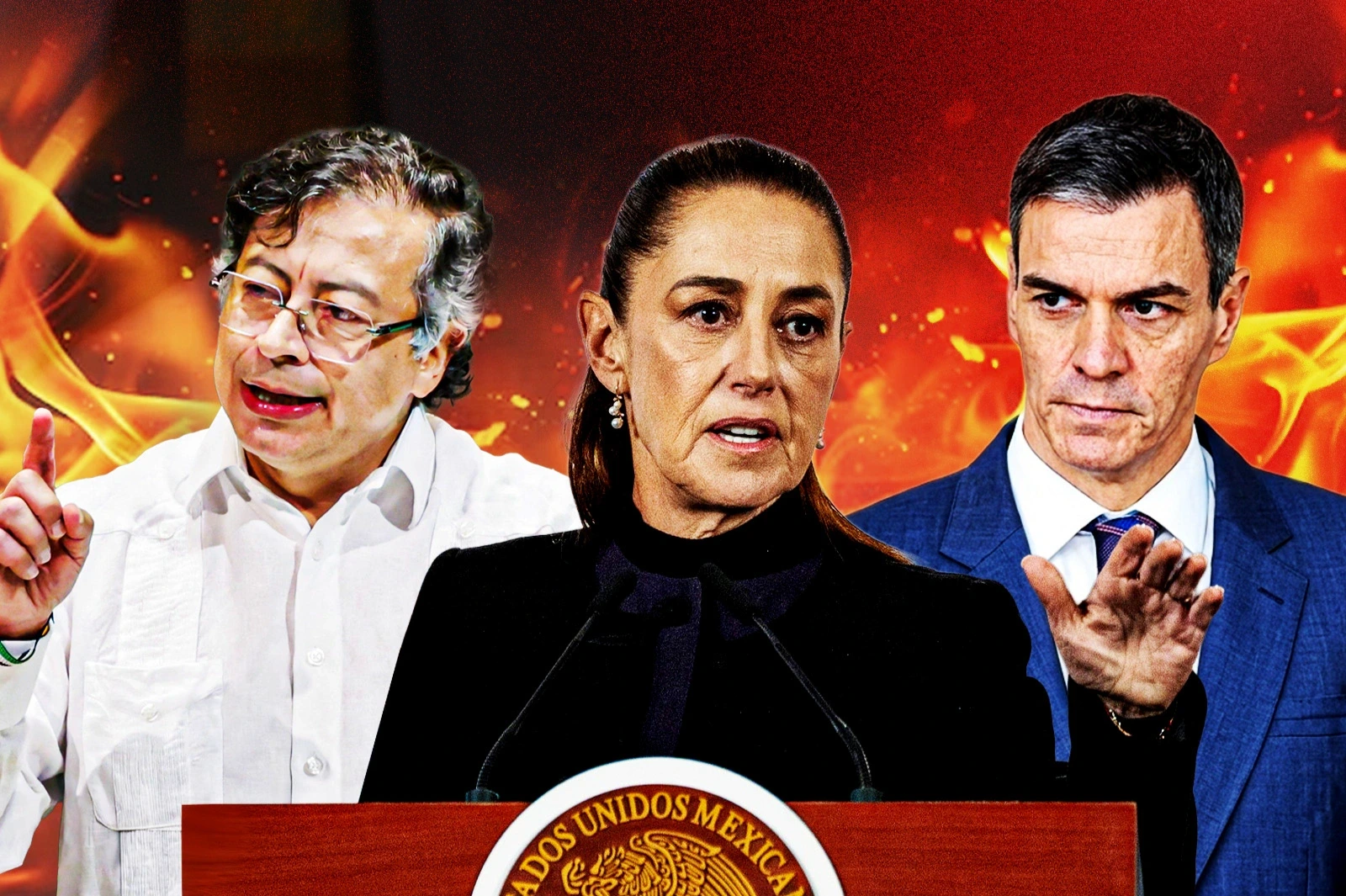
The communist president of Mexico, Claudia Sheinbaum, is making progress in consolidating a political alliance with the leaders of Colombia and Spain, Gustavo Petro and Pedro Sánchez, in an attempt to strengthen her presence on the international stage. However, this approach generates growing questions on the part of the population, who question its usefulness in the face of internal challenges
.
The initiative includes meetings and coordination on political, economic and diplomatic issues, with the objective of establishing a common agenda. Since the ruling party, it is presented as a strategy to expand regional influence and generate new opportunities for cooperation. However, critics argue that this type of alignment tends to prioritize foreign policy over national urgencies
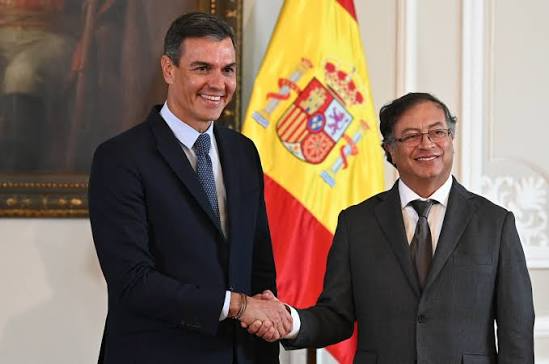
. Presidents Pedro Sánchez and Gustavo Petro
In the case of Mexico, the concern is that the country continues to face significant structural problems, such as insecurity due to open conflicts with drug trafficking, limited economic growth and pressure on public finances. In this context, some sectors consider that the search for international leadership does not translate into concrete improvements for the population
.
The situation is similar in Colombia, where tensions related to security and institutional functioning persist in the face of a conflict with the country's narco-terrorism. Meanwhile, in Spain there is also criticism of a foreign policy that seeks greater global visibility while facing internal challenges in economic, social and immigration matters
.
Another of the points questioned is the ideological nature that this alliance could have. A foreign policy that is too aligned with anti-Western dictatorships can hinder broader agreements with other international actors, limiting
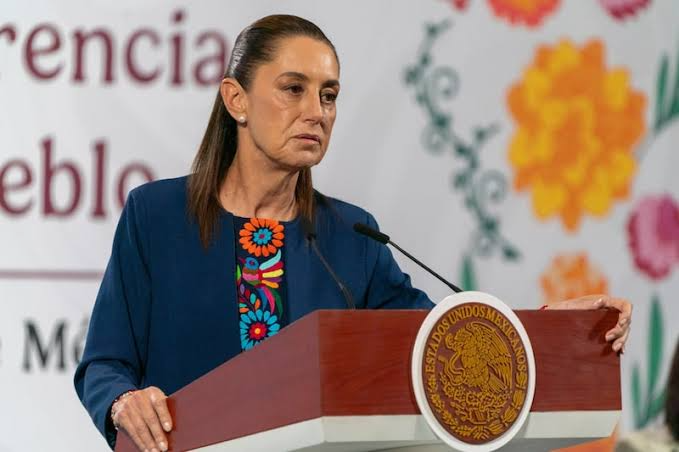
commercial and strategic opportunities. President Claudia Sheinbaum
Added to this is the lack of tangible results so far. Although diplomatic meetings represent a political gesture, they have not yet materialized in concrete measures that directly impact economic development or the improvement of social conditions
.
In this scenario, the Mexican government's international strategy opens up a debate about its priorities. While the ruling party is committed to greater political integration with strategic allies, critical sectors insist that the focus should be on solving internal problems before projecting leadership abroad