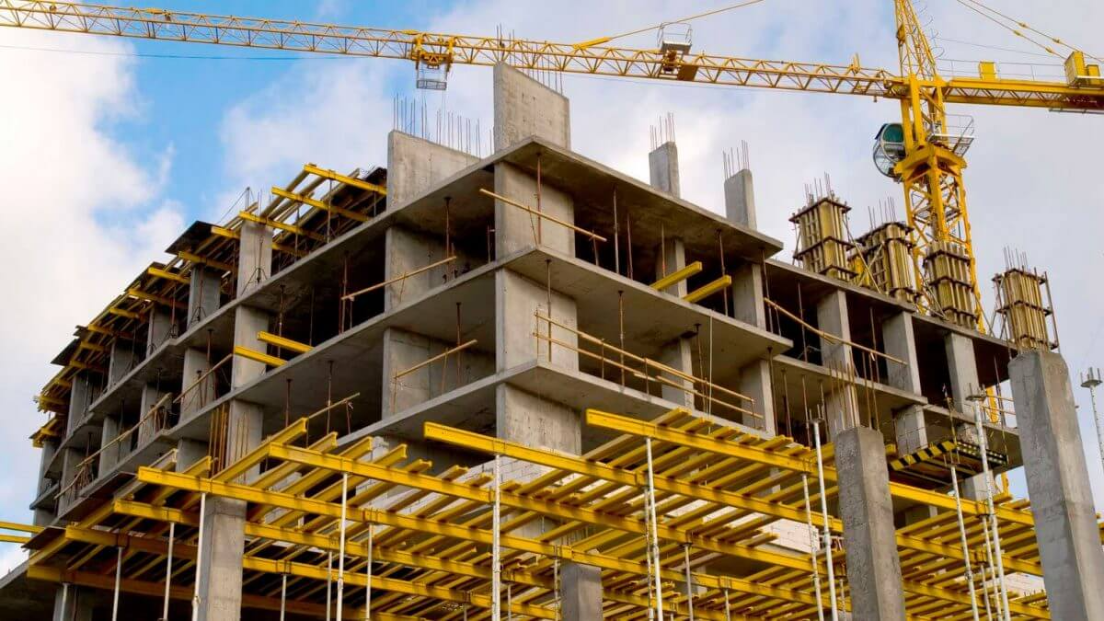
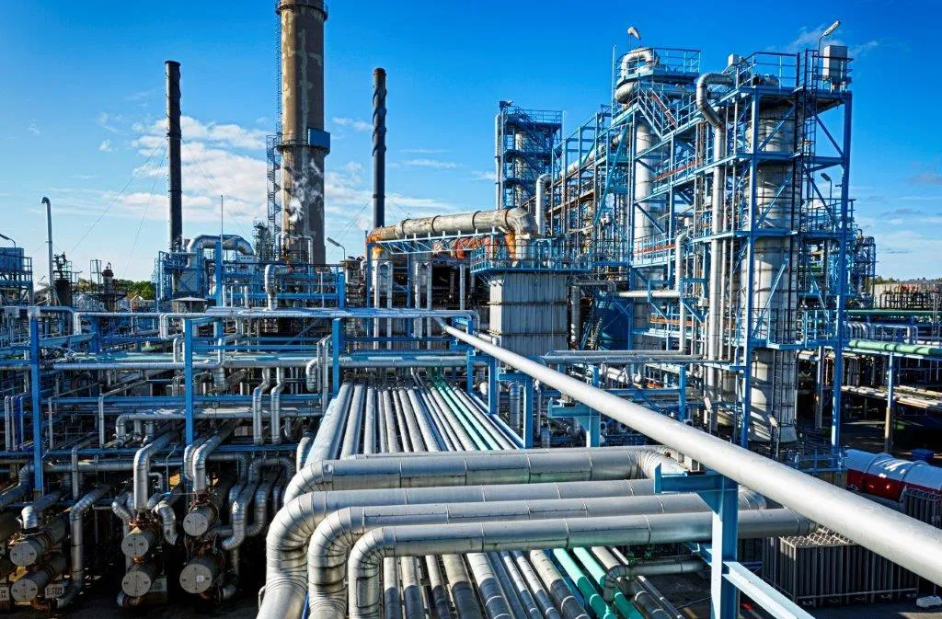
Construction registered a year-on-year jump of 12.7% and the manufacturing industry increased 5% in March 2026, with strong increases in steel, cement, cars, chemicals and oil.
The Argentine economy has begun a decisive shift towards recovery. According to official data published by Indec, corresponding to March 2026, the manufacturing and construction industry sectors — fundamental pillars of private employment — have registered a strong rebound, validating the projections that the Minister of Economy, Luis Caputo, had been holding. This advance not only marks the end of inherited paralysis, but it also positions Javier Milei's Argentina on a path of genuine growth after the February adjustment, where
sectors had shown declines of 8.7% and 0.7% respectively.
In the field of construction, the numbers are truly eloquent: the sector experienced a positive year-on-year variation of 12.7% compared to March 2025.If we analyze the seasonally adjusted measurement, activity increased by 4.7% compared to the previous month, while the cumulative figure for the first quarter already marks an improvement of 3.9%. Private investor confidence is reflected in the consumption of key inputs, with increases that in some cases exceed double digits:
Construction grew by 12.7% year-on-year Ceramic
sanitary ware
: 24.0%.
Construction paints: 18.0%.
Round iron and steels: 16.2%.
Hollow bricks: 14.6%.
Rest (faucets, steel tubes, glass): 13.7%.
Processed concrete: 12.8%.
Portland cement: 11.6%.
Asphalt: 10.3%.
Ceramic floors and coverings: 8.7%.
Plasterboard: 7.9%.
Cales: 6.5%.
Granite and calcareous mosaics: 5.8%. The only input that showed a decline was gypsum, with -4.6%.
In terms of employment, jobs registered in the private sector in February 2026 amounted to 378,687, representing an increase of 1.1% year-on-year.The industry experienced an increase of 5% year-on-year
For its part, the manufacturing industry has awakened strongly, registering a year-on-year increase of 5% in March. In seasonally adjusted terms, industrial production increased by 3.2% compared to February, with a cyclical trend that marks an increase of 0.6%.
Of the sixteen industrial branches, ten have shown the strength of the reactivation: Tobacco (28.2%), Chemicals (15.9%), Oil Refining (13.5%), Wood and Paper (12.8%), Metal Products (9.2%), Food andBeverages (7.9%), Cars and Auto Parts (7.6%), Non-Metallic Minerals (6.9%), Other Transportation Equipment (4%) andFurniture and Mattresses (3.1%).
Minister Luis Caputo was emphatic in pointing out that the best is yet to come: “If we think about construction, the 9,000 kilometers of road corridors will be under construction by June or July, that will give it a further boost.”
In addition, the Government is making progress in the tender of another 12,000 kilometers of national routes, delegating the execution to provinces with its own funding or from international organizations such as the IDB, the World Bank and the CAF, which will boost the country's logistics productivity.
Despite the fact that the cumulative quarterly industrial figure shows a fall of 2.3% inherited from previous inertia, Javier Milei's management has managed to ensure that eight of the nine seasonally adjusted categories are already operating in positive territory, especially Automotive (10.1%) and Basic Non-Metallic and Metallic Minerals (7%). Argentina is standing, and the model of freedom demonstrates with hard data that it is the only way out of historic stagnation