
REPUDIABLE: Cristina Kirchner will receive $3 million more for her privileged retirement

REPUDIABLE: Cristina Kirchner will receive $3 million more for her privileged retirement

The increase will raise to over $30 million monthly the amount that the corrupt former president receives from her pension benefits

Share:

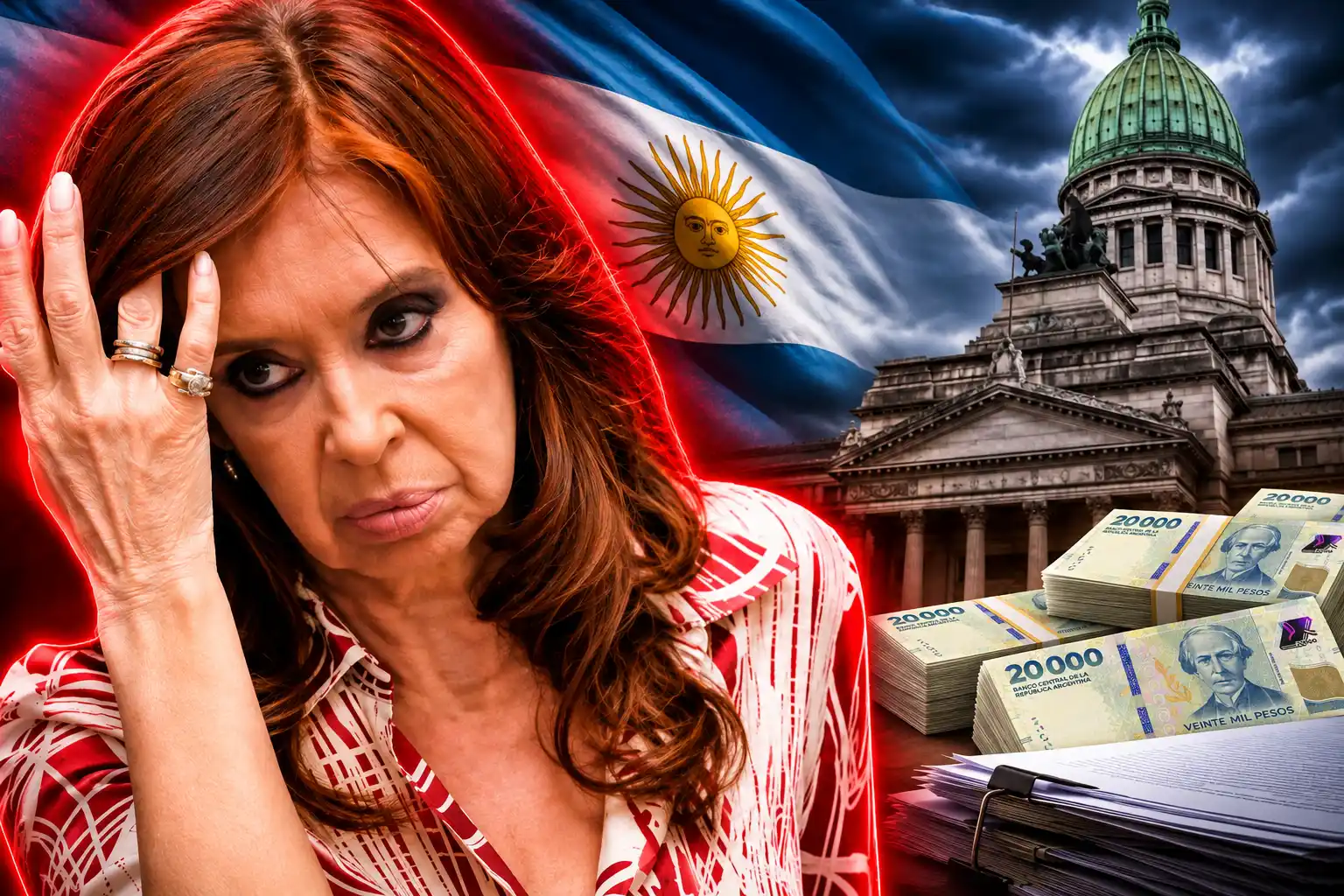
In a ruling that generates deep social outrage and undermines the principle of fiscal equity promoted by the national administration, the Social Security Justice issued a measure in favor of Cristina Kirchner that forces the National Social Security Administration (ANSES) to suspend the withholdings on her substantial earnings and to restore a multi-million monthly sum. Thus, the former head of state —who has a final conviction of 6 years in prison and lifetime disqualification from holding public office for fraudulent administration— will add $3 million more per month to her checking account at the expense of collective effort.

The controversial measure was issued by the Federal Social Security Court No. 1, under the signature of Judge Karina Alonso Candis. The ruling ordered the state pension agency to, within a peremptory period of 10 days, "refrain from practicing the aforementioned withholding on the precautionarily restored benefit and certify its compliance" before the court. With this decision, the magistrate upheld the request made by the former president's lawyers to annul the precautionary discount imposed by national authorities.
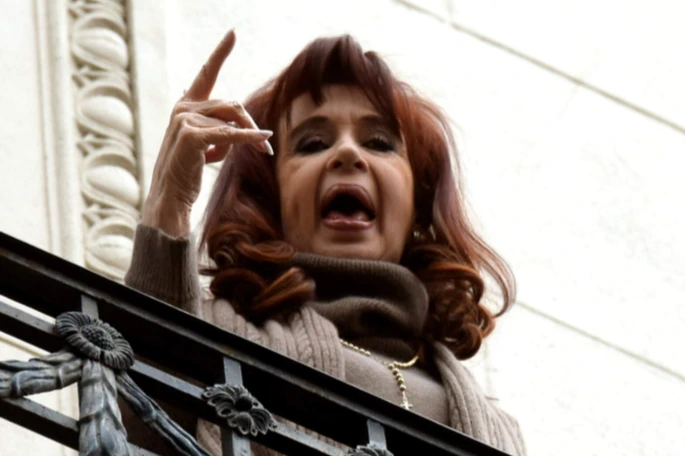
Cristina Kirchner
Cristina Kirchner

In accounting terms, the direct impact of the ruling implies halting the financial safeguard mechanism that the National State was executing. On a widow's pension whose gross amount exceeds $15.6 million monthly, the ANSES applied a 20% discount equivalent to $3,136,630.81 per month. This withholding was carried out with the legal aim of executing the recovery of funds improperly received by the former president during the time she received payments irregularly, seeking to settle an accumulated amount that rises to the astronomical figure of $660,052,338.87.

The origin of the pension conflict dates back to the historic decision made by the Government of Javier Milei, which terminated both the privileged retirement of the former president and the widow's pension derived from former president Néstor Kirchner. Based on Law 24.018, the Executive Power argued that the lifetime allowances granted to former presidents do not constitute ordinary contributory earnings, but rather an exceptional compensation strictly linked to "honor, merit, and good performance in office", attributes incompatible with a conviction for misappropriating public resources.
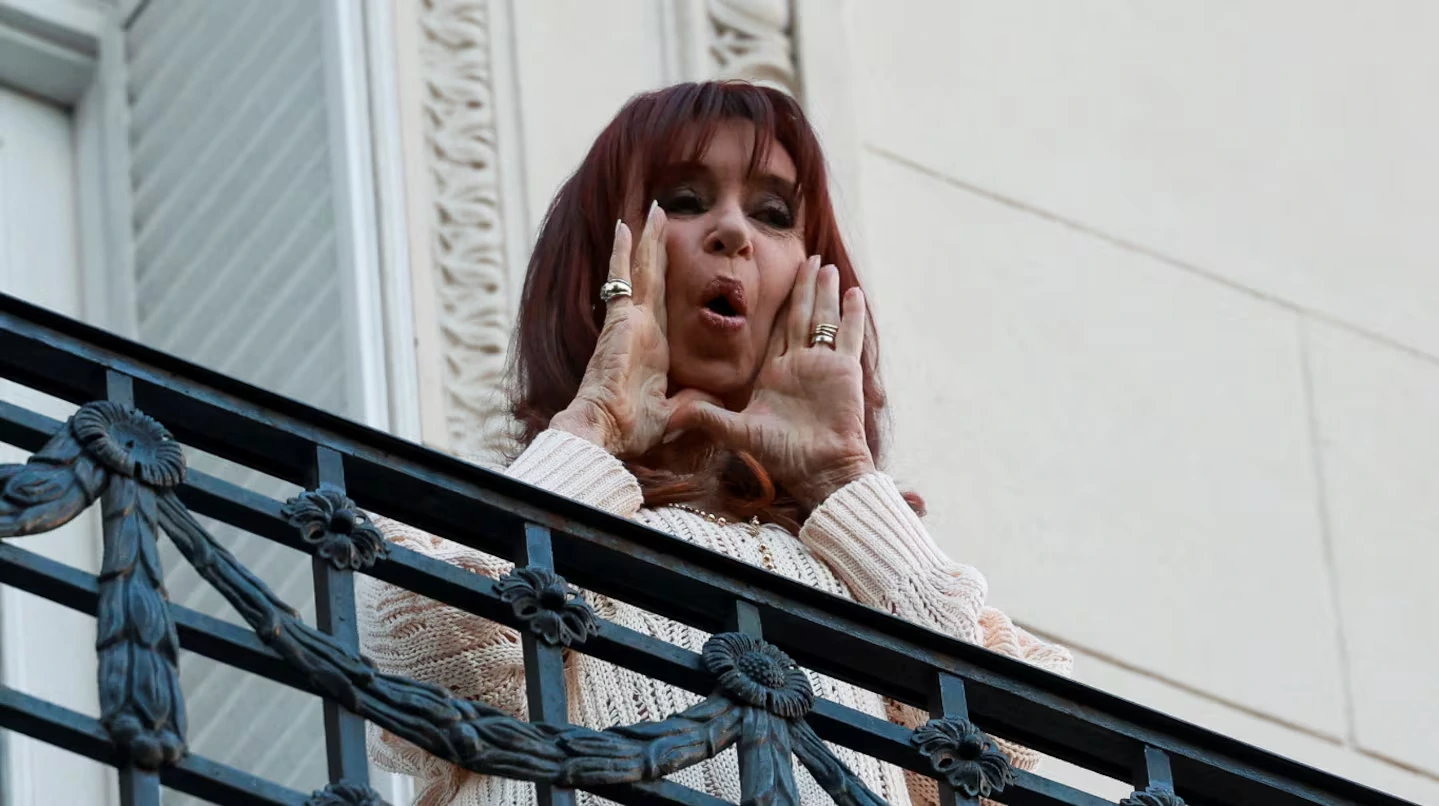

Cristina Kirchner
Cristina Kirchner

At that time, when the removal of the benefits represented a savings of $21,827,624 per month for the state coffers, the presidential spokesperson emphasized the moral line of the Government: "During President Milei's term, Argentina will not allocate funds to any person who is convicted of corruption and has tarnished the honor and dignity of Argentines". In the same vein, President Javier Milei celebrated the cut of privileges under the indisputable premise that "those who do wrong, pay", emphasizing that "the retirement of former presidents is a privilege that should not exist in Argentina".

However, after constant defensive appeals from Cristina Kirchner, in June 2026, the III Chamber of the Federal Social Security Court had ordered the provisional restoration of the widow's pension payment —a benefit that the former president has originally received since December 2010, just 2 months after the death of her husband on October 27, 2010.

Cristina Kirchner
Cristina Kirchner

Although the personal lifetime allowance as former president remains completely frozen and terminated following her conviction for corruption, the ANSES proceeded to apply the 20% withholding on the restored pension, a measure that has now been legally blocked by the ruling of Judge Karina Alonso Candis.

It is worth noting that the institutional background that morally and legally disqualifies the former head of state from receiving privileged funds rests on the Vialidad case. In that process, the IV Chamber of the Federal Criminal Cassation Court —composed of judges Mariano Borinsky, Diego Barroetaveña, and Gustavo Hornos— confirmed the sentence previously issued by the Federal Oral Criminal Court No. 2 (judges Jorge Gorini, Rodrigo Giménez Uriburu, and Andrés Basso), finding her guilty of the crime of fraudulent administration to the detriment of public administration for the systematic and multi-million dollar misdirection of public works in Santa Cruz in favor of the corrupt businessman Lázaro Báez.