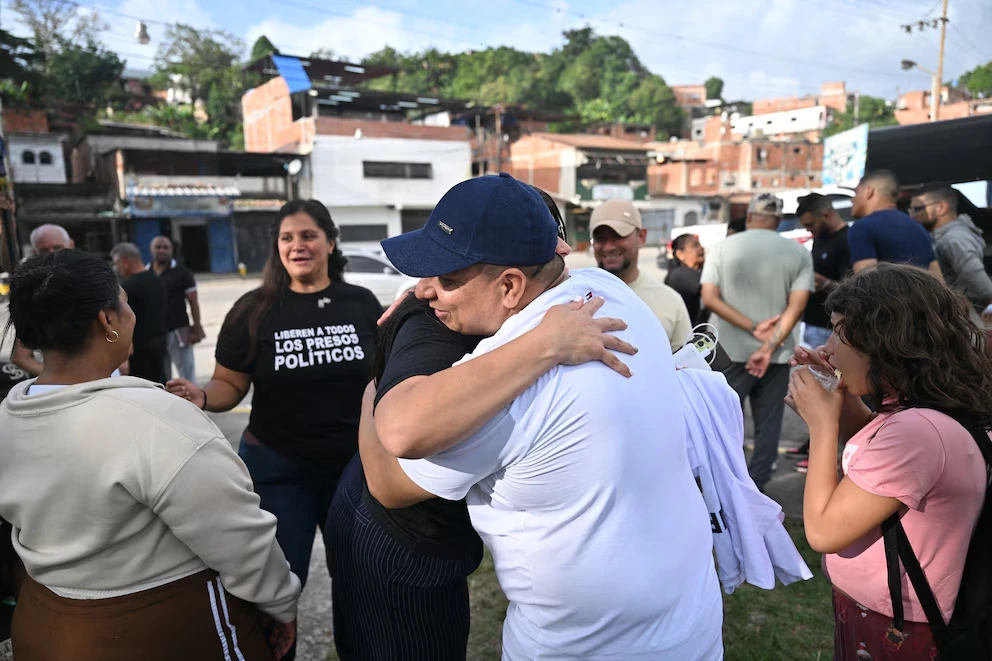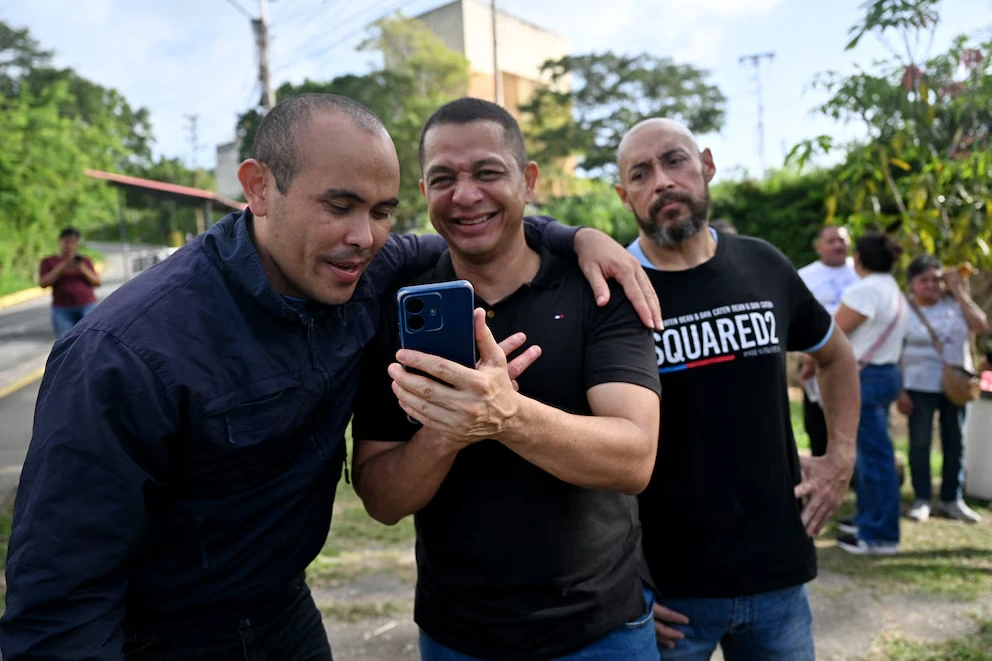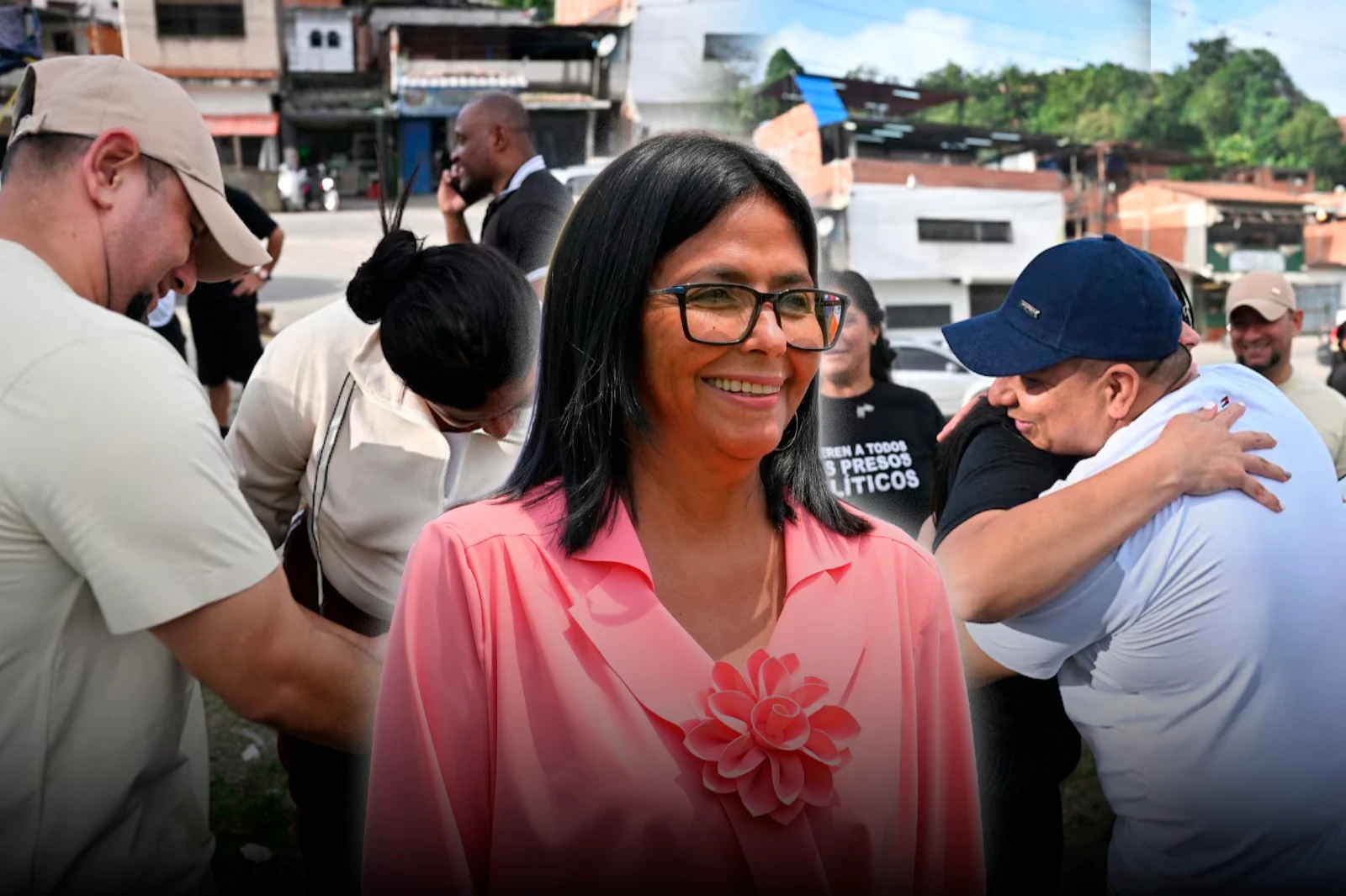

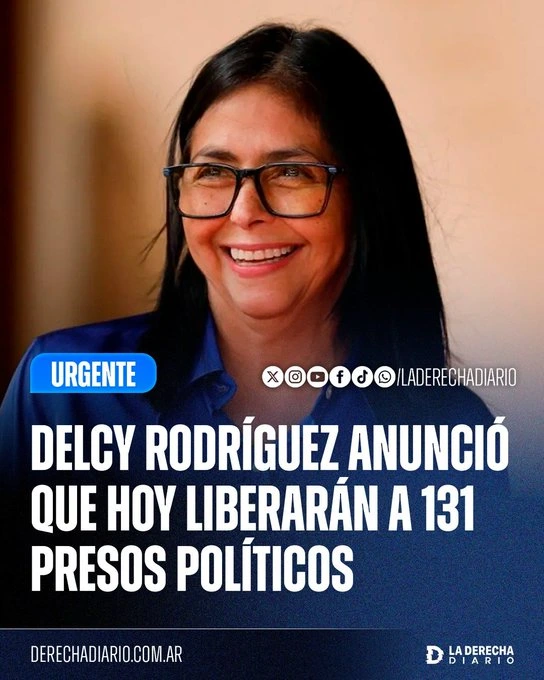
Delcy Rodríguez officially announced that today the release of 131 Venezuelan political prisoners will take place, an event that is interpreted on the international stage as a strategic setback for chavismo. This announcement represents one of the most significant measures within the framework of the Amnesty Law approved in February, designed under a facade of political détente.
The historic news was immediately celebrated by the Secretary of State of the Trump administration, Marco Rubio, who issued a strong statement through his account on the X platform: "The recent release of more than 130 political prisoners in Venezuela is a crucial step for the nation's reconciliation process. Since January 3, 1,046 Venezuelans have been released".
This process of releases occurs immediately after the first formal meeting held between representatives of the chavista regime and a sector of the Venezuelan opposition, led at the dialogue table by the representative Dinorah Figuera.
In this initial round of negotiations, the parties agreed to advance on key reforms, such as the renewal of all magistrates of the Supreme Court of Justice (TSJ) and the recovery of valuable financial assets held in England.
From an institutional perspective, the announcement was channeled through the Program for Peace and Democratic Coexistence, which attributed the execution of the measures to the country's courts following procedural requests from the Public Ministry.
However, the reviewed files correspond to citizens that the interim government linked to alleged attacks against institutions and national stability, a recurring label of the official justice system.
Although the regime attempts to politically instrumentalize this event, human rights organizations have been emphatic in warning that a release under precautionary measures in no way equates to the recognition of the victims' innocence. Many of those who are released today will remain subject to strict judicial restrictions outside of prison.