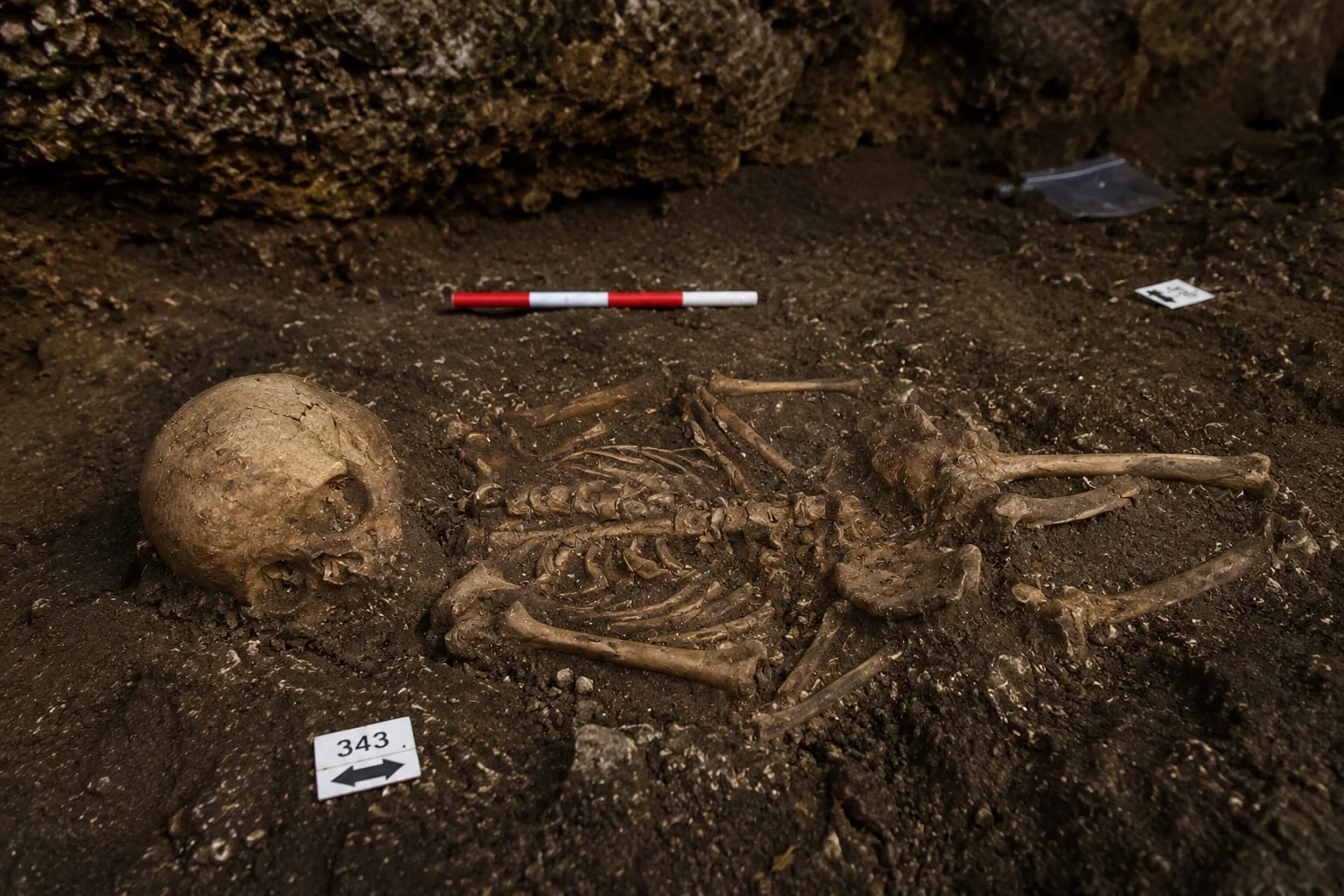
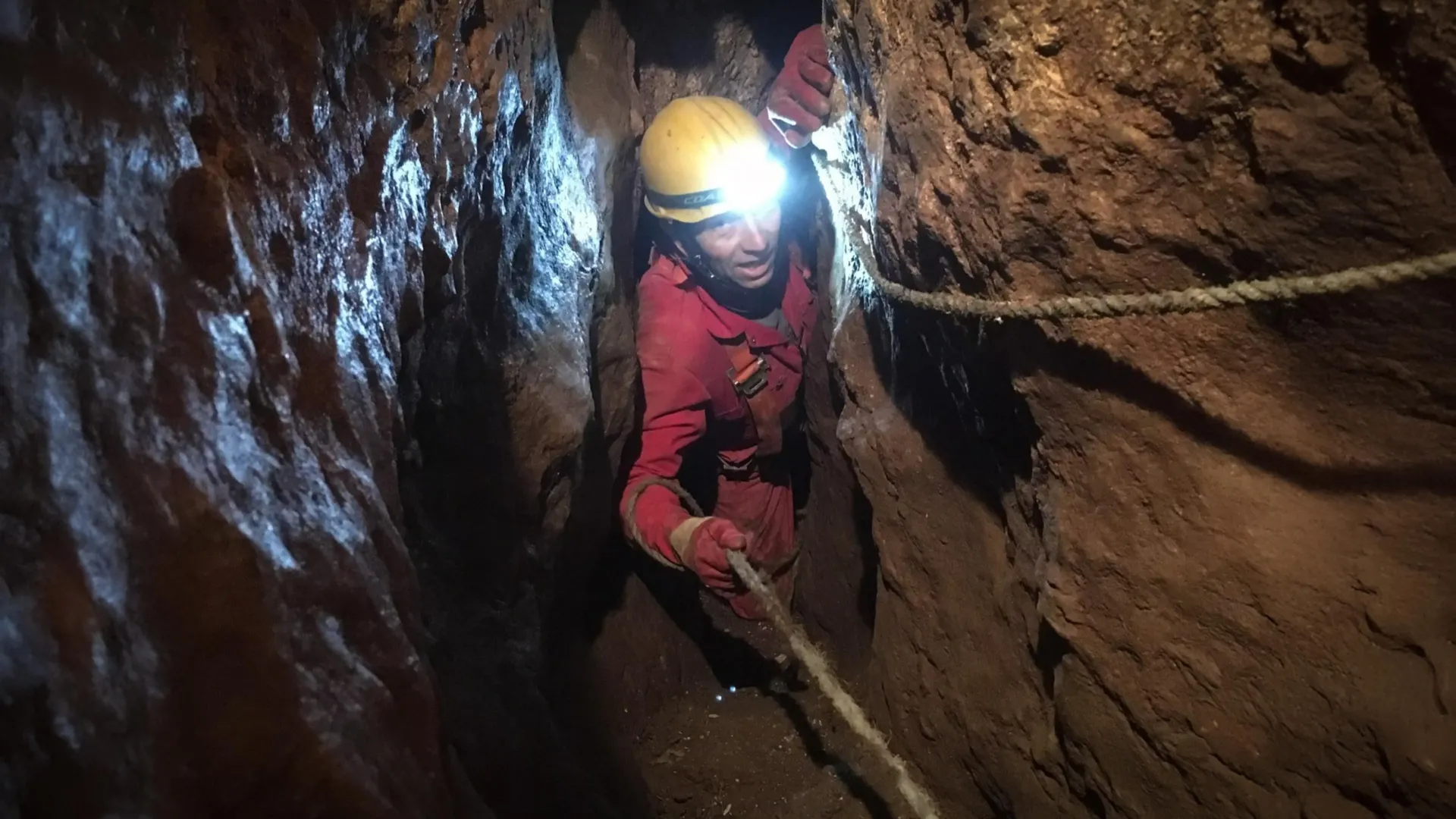
The oldest human remains found in northern Great Britain belong to a girl who lived about 11,000 years ago, according to DNA analysis. The bones were discovered in Heaning Wood Bone Cave, near Great Urswick in Cumbria, during excavations led by local archaeologist Martin Stables.
The little girl, nicknamed "Ossick Lass" in the local dialect meaning "girl from Urswick," was between 2.5 and 3.5 years old at the time of her death. This finding provides new information about life and burial practices just after the last Ice Age.
Three years after the initial discovery, an international team led by researchers from the University of Central Lancashire managed to extract DNA from the remains. The study confirmed that it was a girl and allowed for precise determination of her age.
"This is the first time we can be so specific about the age of a child from such ancient remains and confirm that it was a female," said the lead researcher, Dr. Rick Peterson.
One of the Earliest Mesolithic Burials in Europe
This burial is now considered the third oldest known from the Mesolithic in northwestern Europe. Additionally, it represents one of the earliest pieces of evidence of human activity in Great Britain after the end of the glaciation.
Archaeologists found jewelry near the remains, including a perforated deer tooth and beads, all dated to around 11,000 years ago. This reinforces the idea that it was an intentional burial and that the cave played an important spiritual role for those ancient hunter-gatherers.
"The matching dates open conversations about the significance of cave burials during that period," Peterson added. In modern groups of hunter-gatherers, caves are often seen as portals to the spiritual world, which could explain their frequent use in northern Europe during the early Mesolithic.
Stables, a native of Great Urswick and self-taught in archaeology, chose the name to maintain the girl's connection to the village where she was buried thousands of years ago. He began excavations in 2016 due to his fascination with the prehistoric past of the area.
Rare Remains in Northern Great Britain
Ancient human remains are much more common in southern England and Wales. In the north, evidence from that era is very scarce because glaciers heavily modified the landscape and erased many archaeological traces.
Before this finding, the oldest known human remains in the north came from a 10,000-year-old grave discovered in Kent's Bank Cavern in 2013. In Heaning Wood Cave, evidence of at least eight individuals was found buried in different prehistoric periods: around 11,000 years ago in the early Mesolithic, 5,500 years in the early Neolithic, and 4,000 years in the early Bronze Age. All appear to have been deliberate burials.
The research work, which includes the DNA findings, was published in the journal Proceedings of the Prehistoric Society. This discovery not only sheds light on burial practices from over eleven millennia ago but also highlights the value of sites like this cave, of national importance.
For Stables, the process has been a personal journey that took him to "travel back in time" to 9,000 B.C., passing through different eras and culminating in this emotional discovery of the careful burial of a girl.