A federal appeals court blocked the Department of Transportation's decision to revoke thousands of licenses from undocumented immigrants in recent hours
Nuevo
Agregar La Derecha Diario en
Compartir:
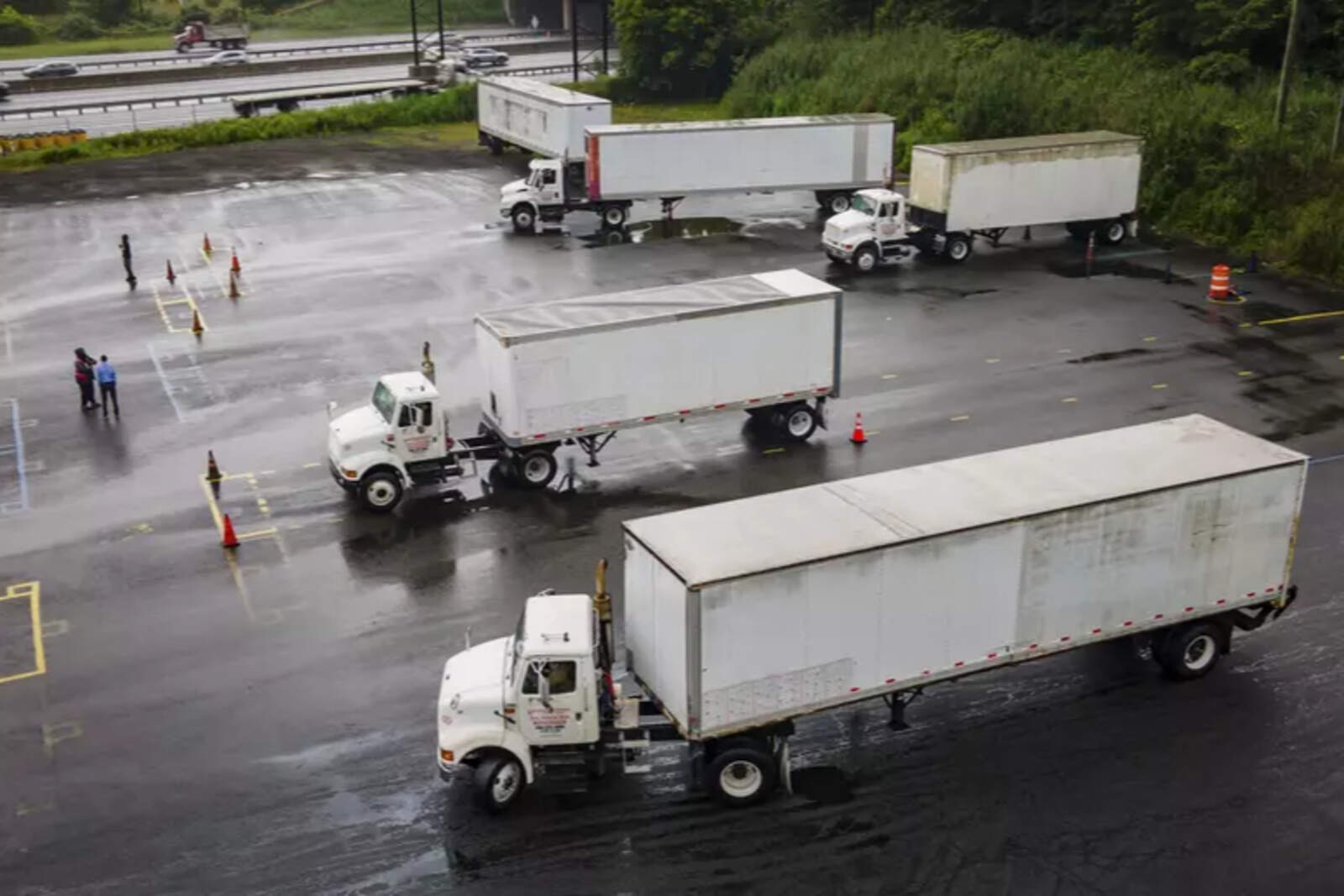
A federal appeals court in Washington, D.C. ruled that the new Department of Transportation (DOT) restrictions for immigrants to obtain commercial driver's licenses (CDL) can't be enforced.
The ruling represents a major setback for the federal government's attempts to strengthen transportation safety standards following a series of incidents involving immigrant drivers with poor training, documentation, or English language proficiency records.
The decision has been widely criticized by sectors that believe the court ignored road safety risks and troubling data in favor of regulatory technicalities.
El Departamento de Transporte tomó medidas para frenar el avance de nuevos accidentes a manos de ilegales
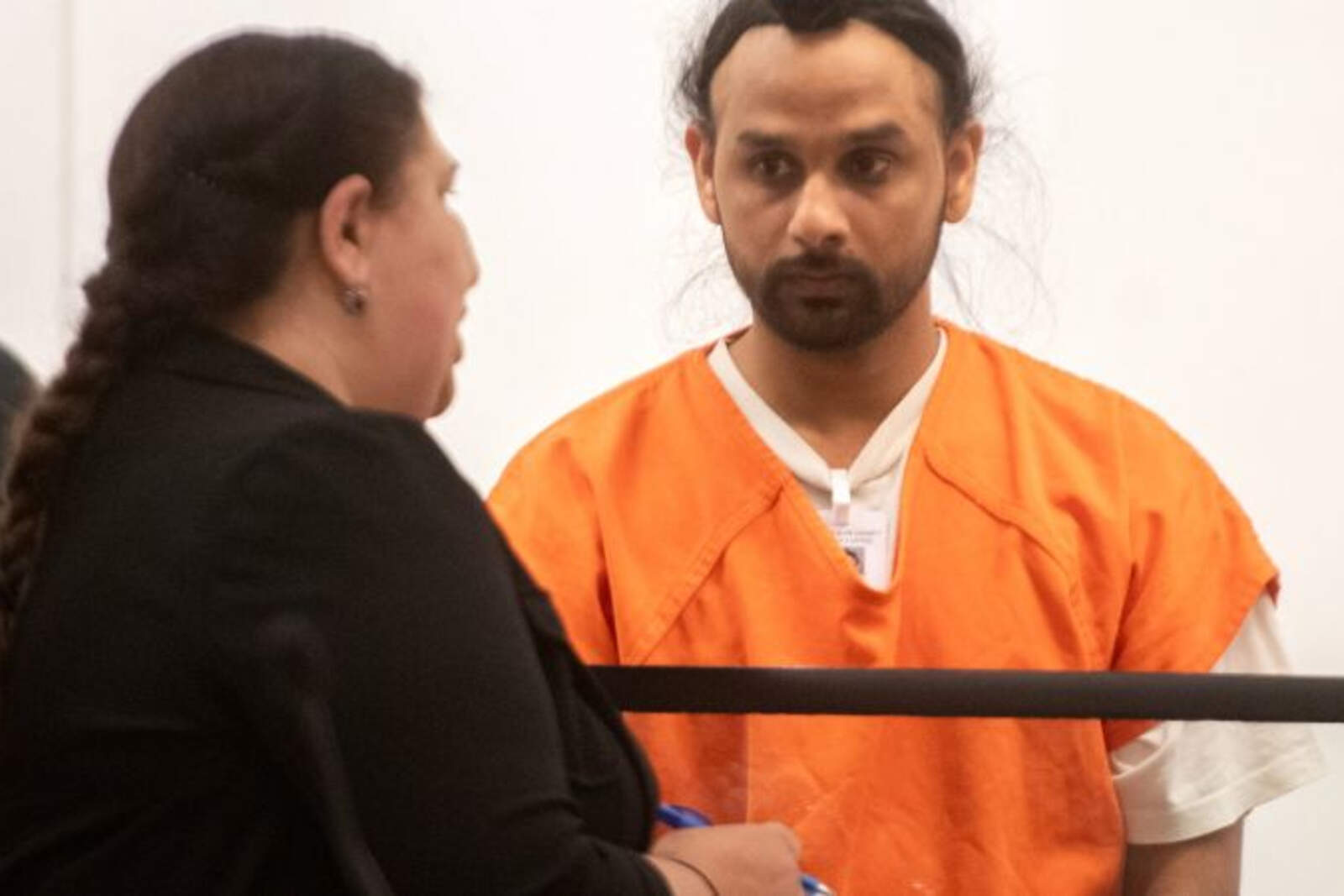
The DOT implemented the restrictions in September after a particularly serious case: that of driver Harjinder Singh, an Indian citizen who had entered the United States illegally in 2018.
Singh was charged with causing a fatal crash in Fort Pierce, Florida, after making an illegal turn with a truck that resulted in the deaths of three people. Despite his irregular record, Singh had obtained a commercial license in California.
According to the Florida Attorney General, he had failed the CDL written exam ten times in Washington, as well as multiple technical tests and an English proficiency test, a mandatory requirement to operate a commercial vehicle in the United States. His case became a symbol of the lack of control in state licensing processes and the risk that administrative failures pose to public safety.
Following the Singh case and a federal audit that found irregularities in California, including 17,000 licenses that remained active despite expired work permits, the DOT established a stricter regulation: limiting licenses to immigrants with certain types of visas, requiring federal verification of immigration status, and setting a maximum validity of one year.
Singh asesinó a tres personas tras fallar su examen de manejo en diez ocasiones
Although these measures would only affect about 10,000 immigrants among more than 200,000 foreign licensed drivers, they aimed to close safety gaps and prevent individuals without proper qualifications or verified status from operating heavy vehicles.
However, the court blocked the rule, arguing that the government did not comply with the required administrative procedure nor sufficiently explained how the measure would improve road safety. Critics point out that this excessively formalistic approach ignores both empirical evidence and tragic cases that justify urgent reforms.
The court also noted that immigrants account for only 0.2% of fatal accidents despite holding 5% of commercial licenses. Analysts in favor of the regulation respond that this statistic, while relevant, doesn't invalidate the problems identified, especially failures in identity verification, insufficient training, and noncompliance with basic federal standards such as functional English to operate trucks.
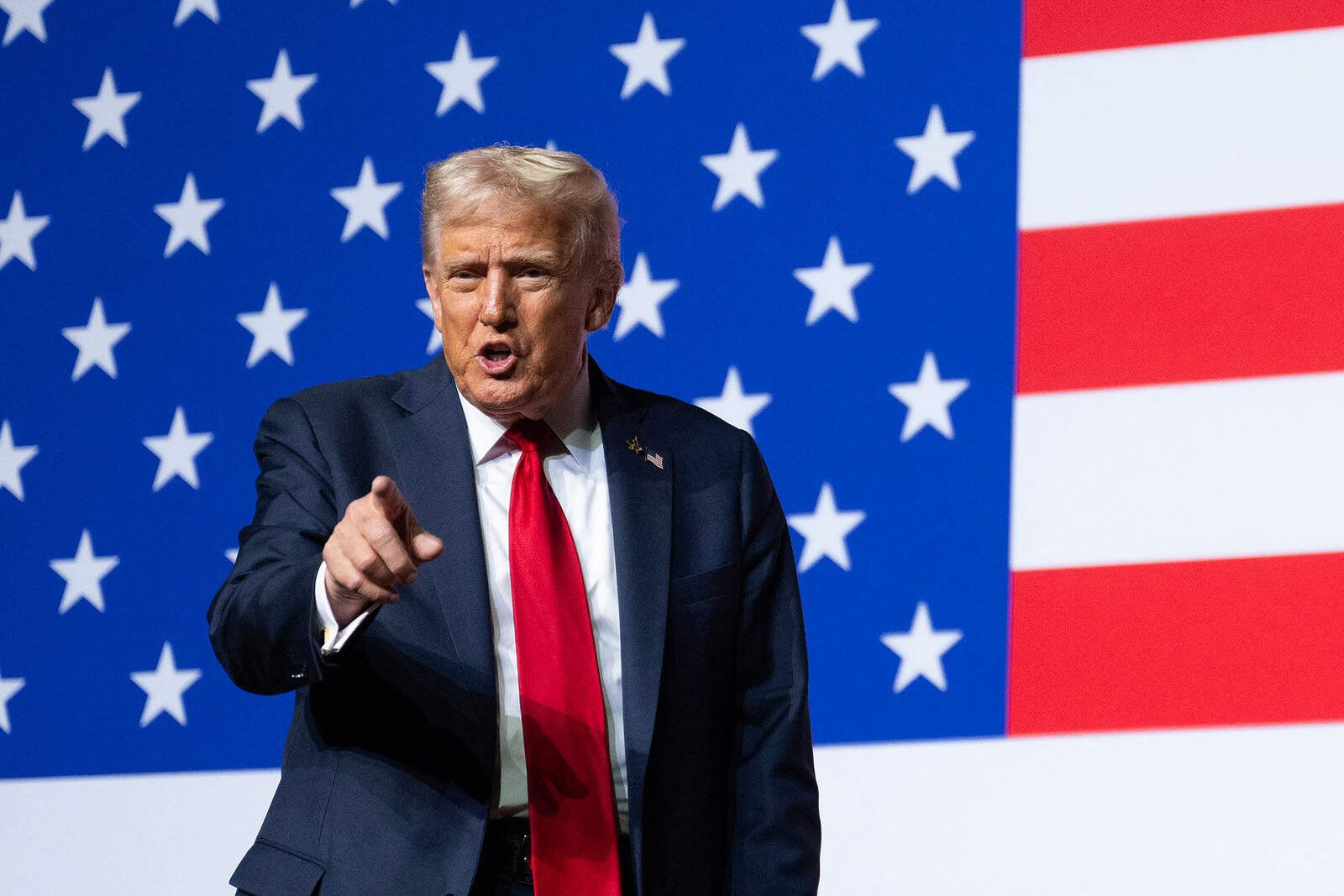
El gobierno de Trump había presionado al gobernador de California para que revoque las licencias de miles de inmigrantes ilegales
Various industry organizations expressed support for the DOT and praised efforts to strengthen safety standards. Their president, Todd Spencer, stated that the abuse of visa programs and the increase in licenses for non-domiciled drivers has allowed the entry of operators who "can't comply with regulations or operate safely."
Meanwhile, Transportation Secretary Sean Duffy increased pressure on California, announcing the withholding of $40 million in funds for refusing to apply English assessments in roadside inspections. To recover the funds, the state must demonstrate that it is evaluating language proficiency and removing from circulation those who do not comply.