Patricia Bullrich unlocked the negotiation and avoided a rupture in the Senate
Nuevo
Agregar La Derecha Diario en
Compartir:
The national government will move forward this Thursday with the signing of the labor reform opinion in the Senate, although its consideration in the chamber was scheduled for February. The decision was agreed upon between La Libertad Avanza's ruling party and sectors of the dialogue-oriented opposition, in a scenario of high political tension that was on the verge of breaking down during the day.
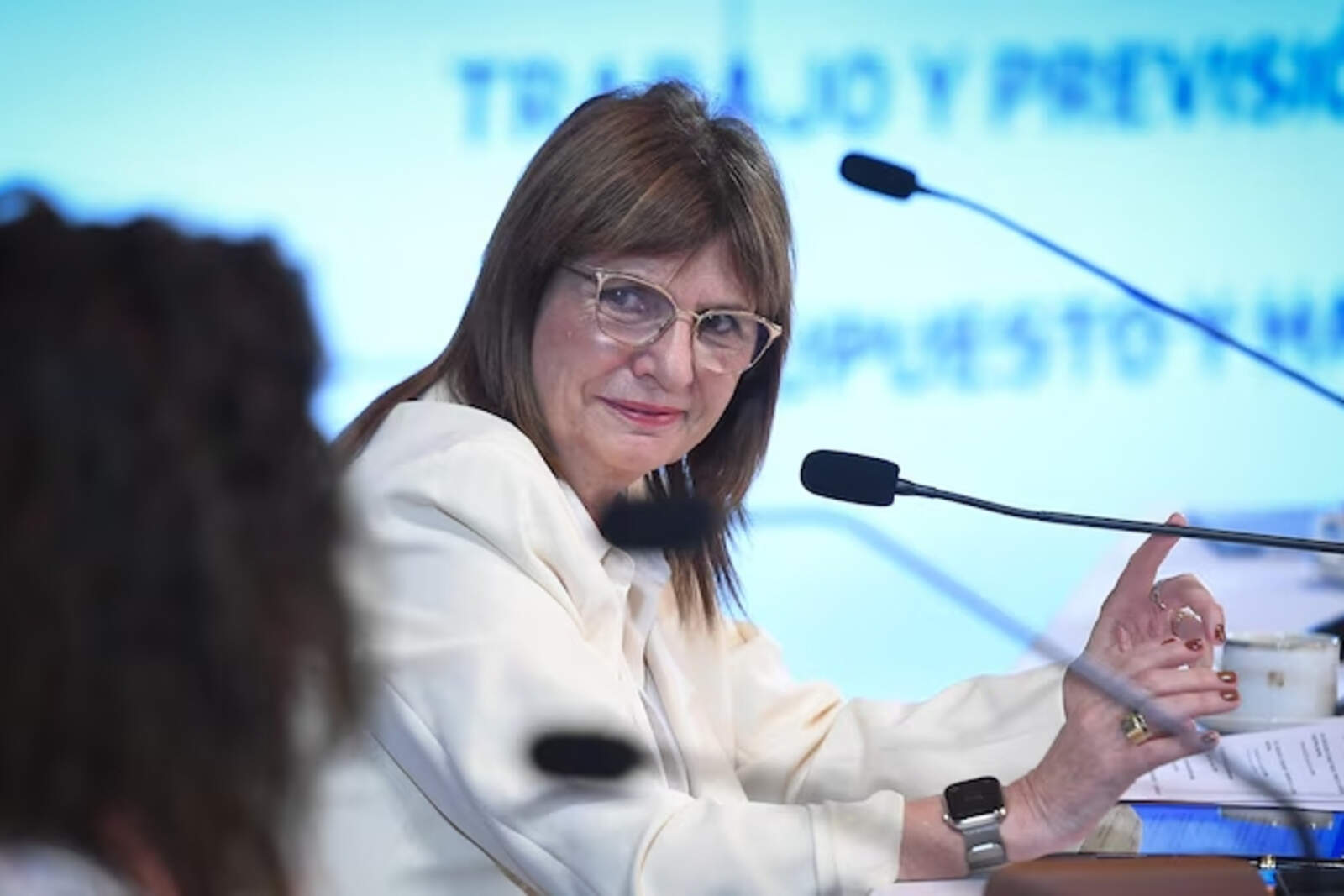
The confirmation came from the mouth of the Security Minister, Patricia Bullrich, who explained the situation during the joint meeting of the Labor and Budget and Finance committees of the upper house. There it became clear that the ruling party opted for a strategy of political responsibility: ensuring the opinion, organizing the discussion, and avoiding an express consideration that would put parliamentary coexistence at risk.
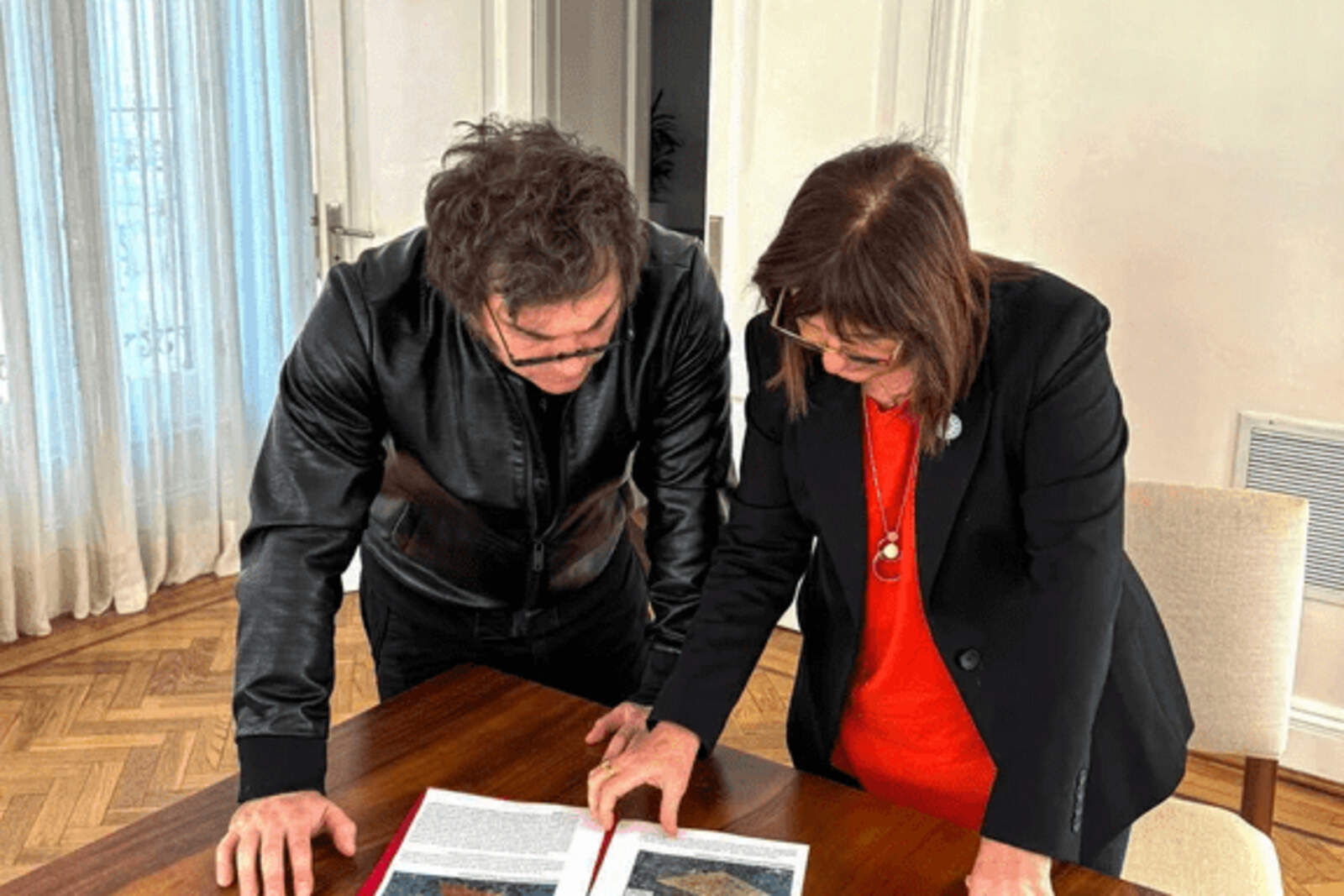
Javier Milei y Patricia Bullrich.
In contrast, what will move forward immediately will be the 2026 Budget, together with the fiscal innocence law. Both initiatives would be sent out this Friday, December 26, at the close of the extraordinary period convened by the Executive, consolidating the core of the government's economic program.
At midday, Bullrich had to rush to the Casa Rosada and, after her return, she led a key summit in the UCR bloc. There, the dialogue was successfully channeled, the signing of the opinion with amendments was agreed upon, and a deadline of January and early February was set to polish the final text.
Javier Milei y Patricia Bullrich.
The move made it possible to ease the political climate and preserve the majority needed to move forward. In the committees involved, La Libertad Avanza has five senators of its own and needs to add at least four votes from the dialogue-oriented bloc to reach half plus one. In that framework, Kirchnerism once again chose obstruction: it did not appoint formal representatives to the committees and is threatening to take the process to court, a strategy that seeks to block structural reforms without assuming political costs.
Far from shouting and blocking, the government chose a different path: to organize, negotiate, and sustain the reform agenda that Argentina needs to emerge from stagnation. The labor reform remains underway and the message is clear: there will be changes, with clear rules, consensus, and political leadership.