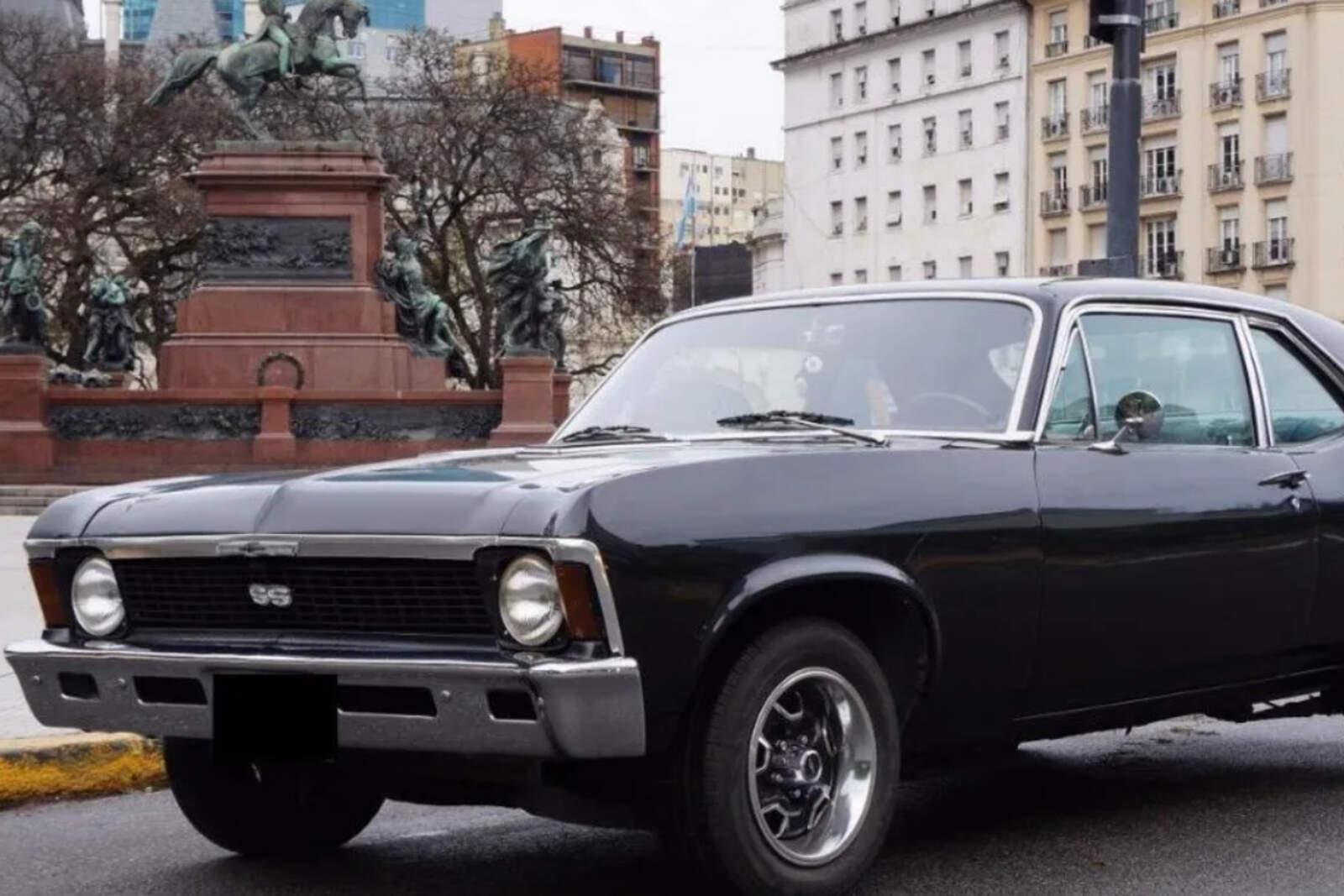
Through a series of resolutions published in the Official Gazette, the Government announced modifications in the import regimes of classic cars, valued industrial inputs, and measuring equipment, aiming to reduce bureaucracy and streamline procedures.
Import of classic cars: fewer obstacles and more agile procedures
Resolution 24/2025 introduces changes in the Import Regime of Classic Cars, eliminating unnecessary requirements and simplifying the process. Among the main modifications are:
Elimination of irrelevant documentation in the operation.
Suppression of sworn statements on the holding of foreign currency certified by banks.
Elimination of the official ex post appraisal, since the customs authority already verifies the value at the time of dispatch.
The Special Mandatory Technical Review will not be necessary, as registration already includes this review.
Extension of the Certificate's validity period, providing greater flexibility to importers.
With these modifications, the Government seeks to debureaucratize the process and facilitate the import of collector vehicles, which are usually acquired by enthusiasts and collectors.
Los autos clásicos ahora entrarán al país más fácil
Circular economy: boost to the import of recycled inputs
Resolution 23/2025 establishes a new framework for the import of valued industrial inputs from non-hazardous waste, in order to promote the circular economy and sustainability in the country.
The materials that can be imported under this scheme include:
Ferrous and non-ferrous scrap.
Recycled plastic.
Recovered paper and cardboard.
Broken glass.
These inputs will be used in various production processes, reducing the dependence on virgin raw materials and promoting the reuse of materials.
Los autos clásicos ahora entrarán al país más fácil
To ensure that imported products are safe and comply with environmental regulations, the resolution establishes conformity assessment procedures and an annual authorization system based on IRAM standards and international standards.
Additionally, if inconsistencies in technical specifications are detected, the authorization may be revoked and the materials must be re-exported, thus ensuring compliance with quality and safety standards.
New regulations for measurement in logistics
Resolution 25/2025 introduces new metrological requirements for non-automatic weighing instruments used in commerce, aiming to ensure precise measurements aligned with international standards.
This regulation will impact sectors that depend on exact measurement, such as bulk product distribution, including:
Grains.
Minerals.
Export and import goods.
The new regulations will allow:
Greater accuracy in commercial measurements, avoiding disputes between buyers and sellers.
Greater control by local authorities, ensuring transaction transparency.
Strengthening Argentina's competitiveness in global trade, by ensuring uniform standards in logistics.
The impact of this regulation will be significant in the international supply chain, eliminating errors in weighings and reducing delays in import and export processes.
Digital procedures for the import of industrial inputs
Provision 1/2025 complements the previous measures by establishing a 100% digital process for the application of import permits for industrial inputs.
From now on, all procedures must be carried out through the Argentine Foreign Trade Single Window (VUCEA), using the Remote Procedures (TAD) platform.
Los autos clásicos ahora entrarán al país más fácil
The key points of this measure include:
Streamlining import procedures, reducing bureaucratic times and costs.
Electronic review and verification by the Undersecretariat of Industrial Policy.
Greater transparency and traceability in the authorization process.
This approach aligned with international trends optimizes Argentine foreign trade, ensuring that imported industrial inputs meet national and international quality and safety standards.
Towards more agile and competitive trade
With these modifications, the Government seeks to simplify regulations and reduce bureaucratic obstacles in key sectors of foreign trade.
The streamlining of import processes for classic cars, recycled inputs, and measuring equipment, along with the digitization of permits, responds to a strategy of modernizing international trade and strengthening Argentina's competitiveness in global markets.