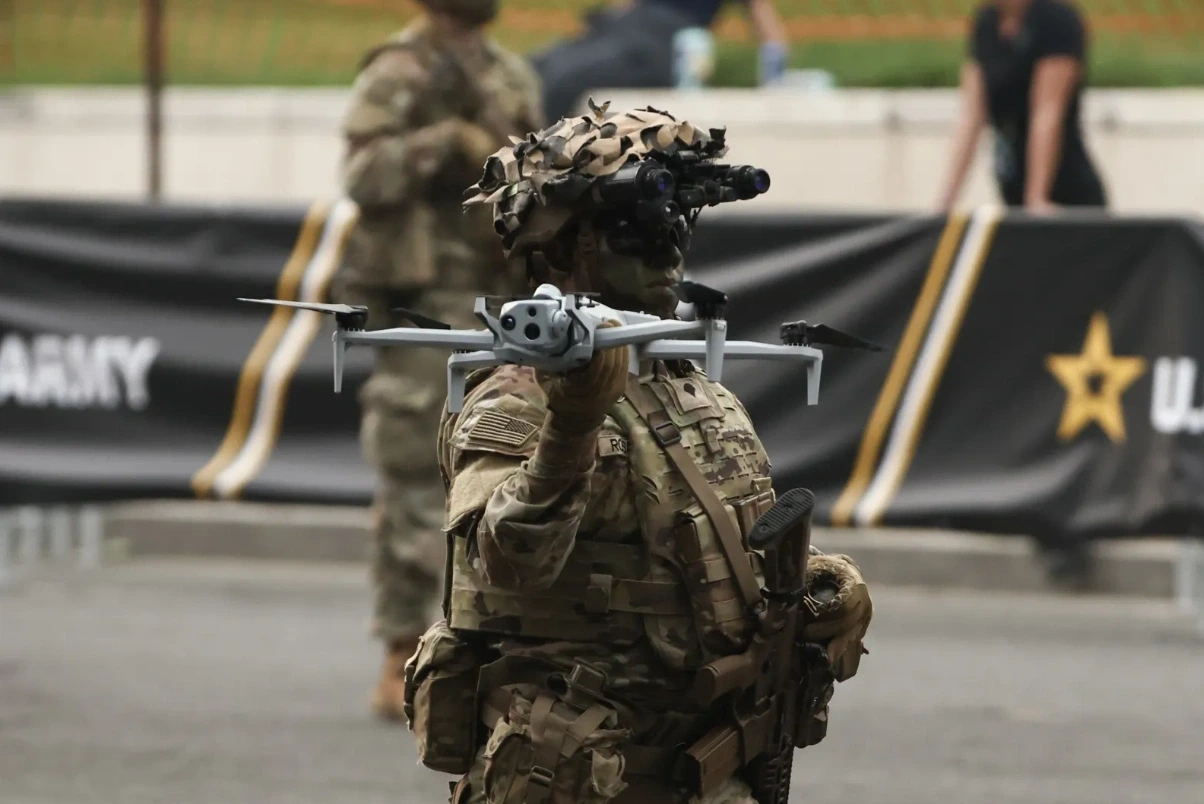
The Pentagon's new budget request marks a strategic shift towards autonomous warfare, with record investment in drones and systems to counter them, in line with emerging threats and global competition.
The United States Department of Defense presented its largest budget request in history focused on drones and associated technologies: $75 billion earmarked both for the development of unmanned systems and for capabilities to neutralize them.
The initiative, unveiled by defense officials, focuses on a little-known office that works closely with American special commands. This body will be key to integrating artificial intelligence, automation and autonomous systems into modern military operations.
The movement reflects a clear trend: current and future conflicts are increasingly defined by technological dominance, where drones — both offensive and defensive — play a central role.
War of the Future: Drones, AI and Special Operations
The investment aims to strengthen multiple strategic areas:
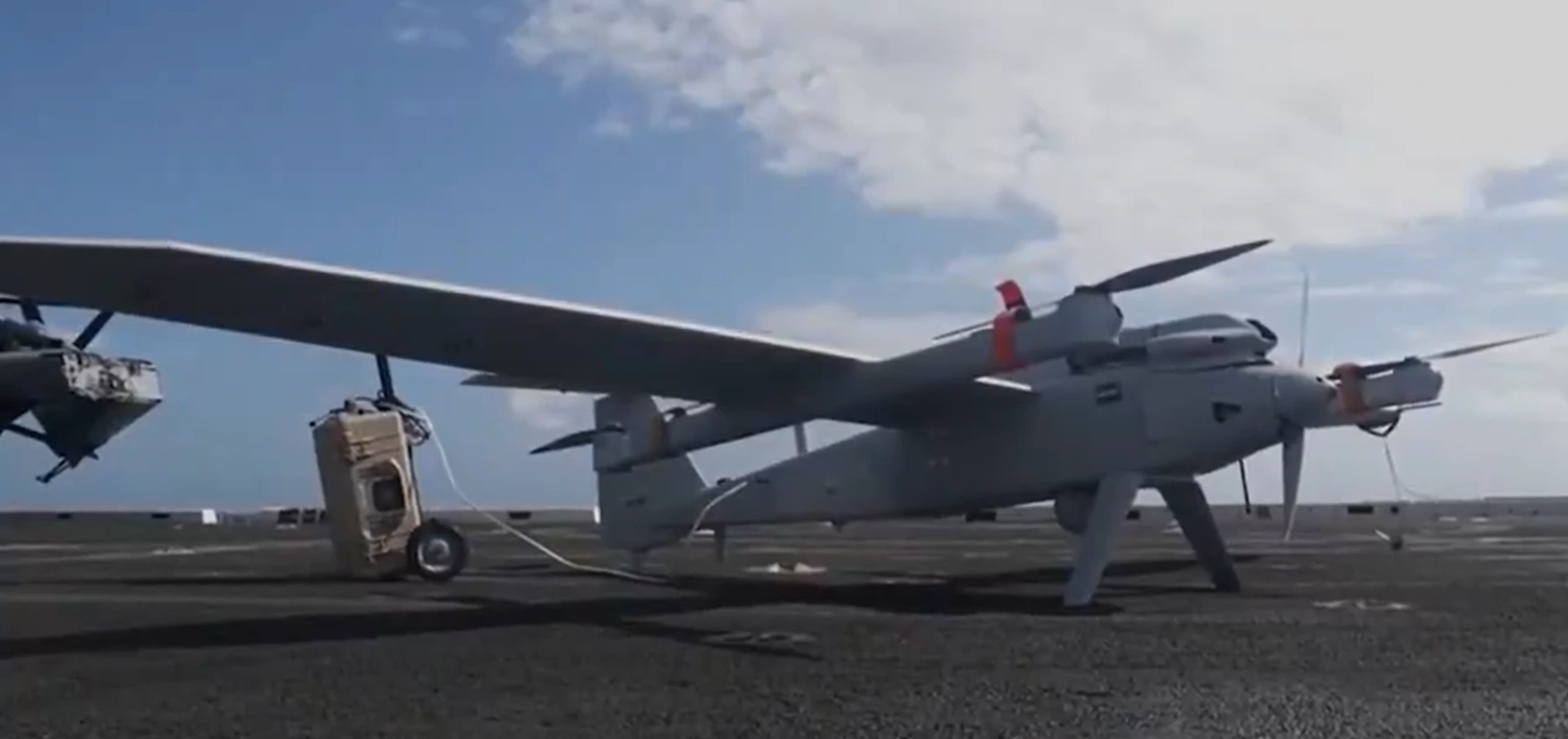
Next-generation combat and surveillance drones
Autonomous and semi-autonomous systems with AI
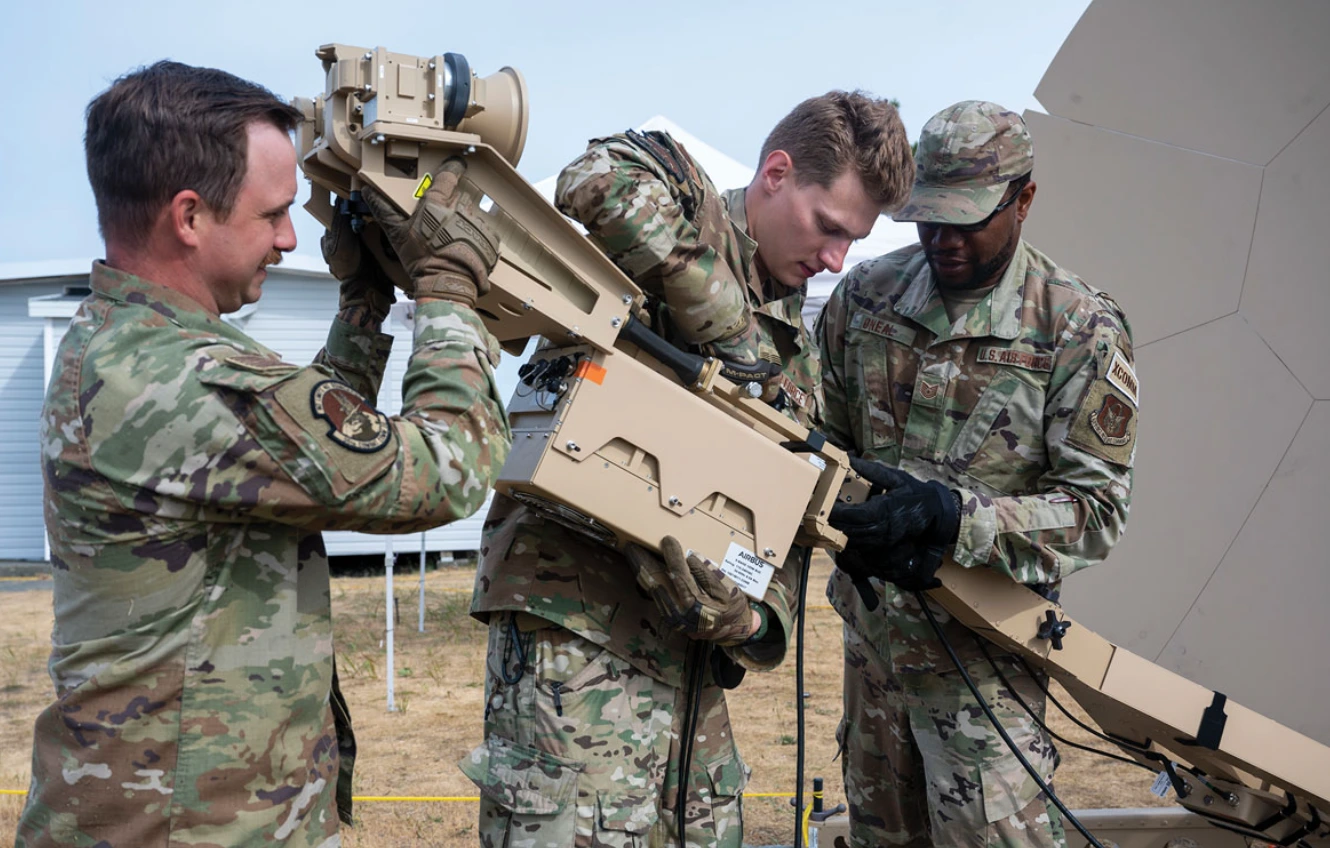
Technologies to detect, block and destroy enemy drones
Integration with special forces for high-precision operations
This approach is no accident. In recent scenarios—from the Middle East to Eastern Europe—drones proved to be decisive tools because of their relative low cost, high efficiency and ability to operate without direct risk
to soldiers.
The United States thus seeks to consolidate its leadership against global competitors such as China and Iran, which are also rapidly advancing in this type of technology.
A response to new global threats
The growth in the use of drones by state and non-state actors—including terrorist groups and criminal networks—forced a redefinition of defense priorities
.
Pentagon officials warn that the proliferation of cheap and accessible drones represents one of the biggest security challenges today. For this reason, the budget not only contemplates offensive, but also active defense
.
In addition, this strategy will improve the response to:
Drug trafficking and narco-terrorism in Latin America
Hybrid conflicts and asymmetric warfare
Protection of critical infrastructure
Humanitarian and disaster assistance missions
The
United States reinforces its leadership in defense
The magnitude of the investment confirms that Washington is not willing to give way in the military technological race. The commitment to autonomous systems and warfare based on artificial intelligence seeks to ensure long-term tactical and strategic advantages
.
In an increasingly volatile global context, the message is clear: technological superiority will be decisive, and the United States is willing to invest on a record scale to guarantee it.