The border disorder once again exposed the inefficiency of the provincial authorities
Compartir:
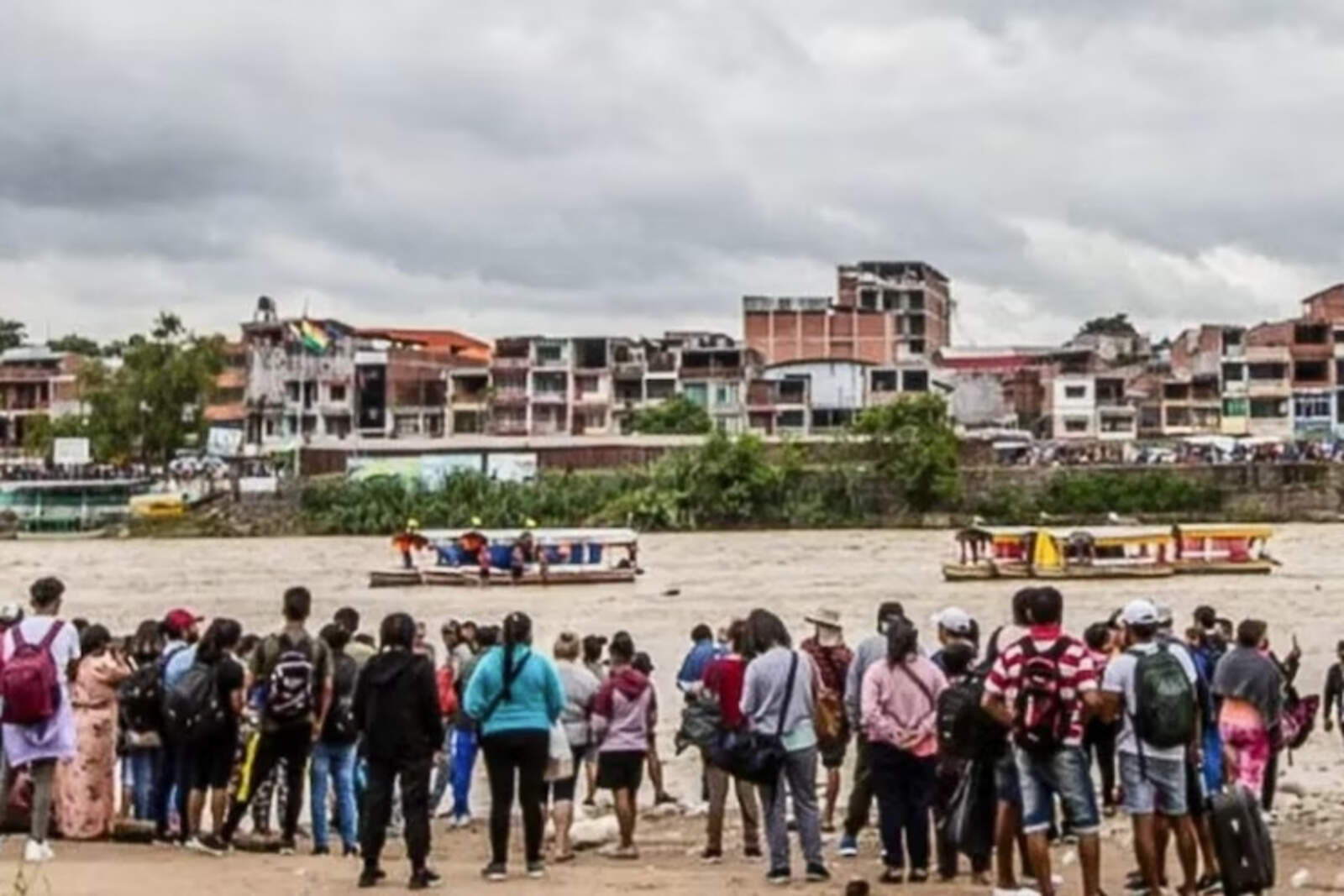
A new situation of loss of control took place this Monday at the Aguas Blancas–Bermejo International Crossing, where hundreds of Bolivian citizens entered Argentina violently and without formal registration, after the suspension of river crossings due to the rise of the Bermejo River. The episode exposed serious shortcomings in border controls on the part of the provincial authorities of Salta.
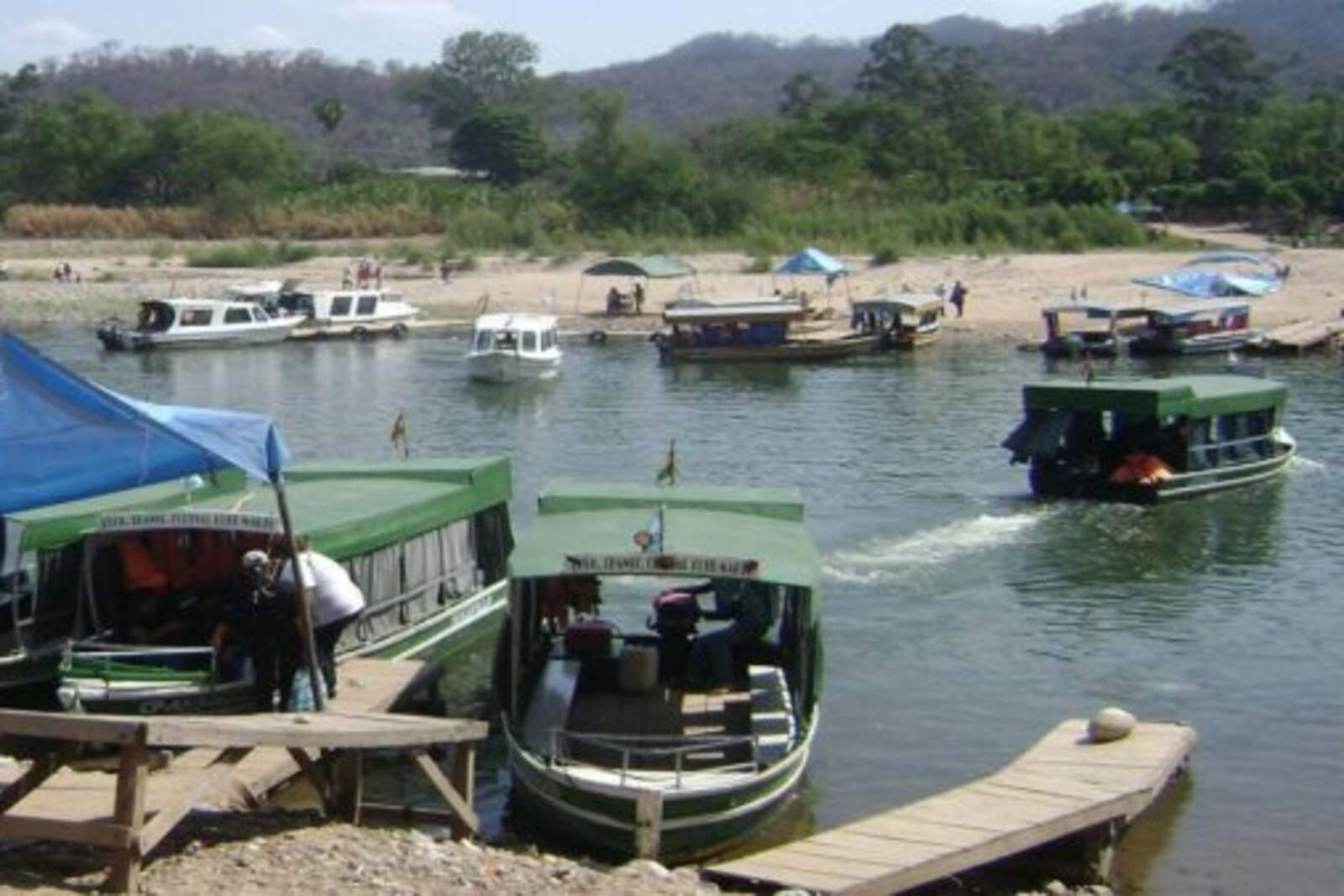
Heavy rains recorded in northern Argentina and southern Bolivia caused a sharp rise in the river's flow, which forced the authorities to interrupt the chalana service that connects both banks on a daily basis. The measure, adopted for safety reasons, suddenly eliminated the main means of crossing used by thousands of people who travel through the area every day.
The impact was immediate. With the barges out of service, all the flow of people concentrated on the international bridge, which was quickly overwhelmed. Videos released by local media and social networks show people running, massive crossings under the rain, and people evading migration controls in the face of the staff's material impossibility to bring order to the situation.
According to reports, during the early morning hours there was an attempt to limit the river crossing to a reduced quota, but the rise in the water level ended up suspending it completely. The result was a predictable bottleneck that the local authorities failed to contain. Witnesses reported that, in the absence of resources and sufficient presence, numerous entrants crossed the border without any kind of legal verification.
The phenomenon is not new. Every end of the year, especially on the eve of the holidays and Epiphany, traffic from Bolivia to Argentina increases for commercial reasons. The exchange rate difference and expectations of price increases drive these seasonal movements known to the authorities.
Rio Bermejo.
Although the National Directorate of Migration and the federal forces depend on the national government, logistics, territorial organization, and immediate prevention in the face of contingencies fall within the provincial sphere. The absence of an effective contingency scheme once again left the door open to irregular entry, with risks not only administrative, but also health-related and security-related.
Toward midday, after an assessment of the river level, the chalana crossing was partially restored, which made it possible to partially normalize traffic. However, the damage was already done: the border was once again exposed and Salta added another chapter of disorder.