Iran challenges the West with new underground nuclear facilities
Nuevo
Agregar La Derecha Diario en
Compartir:
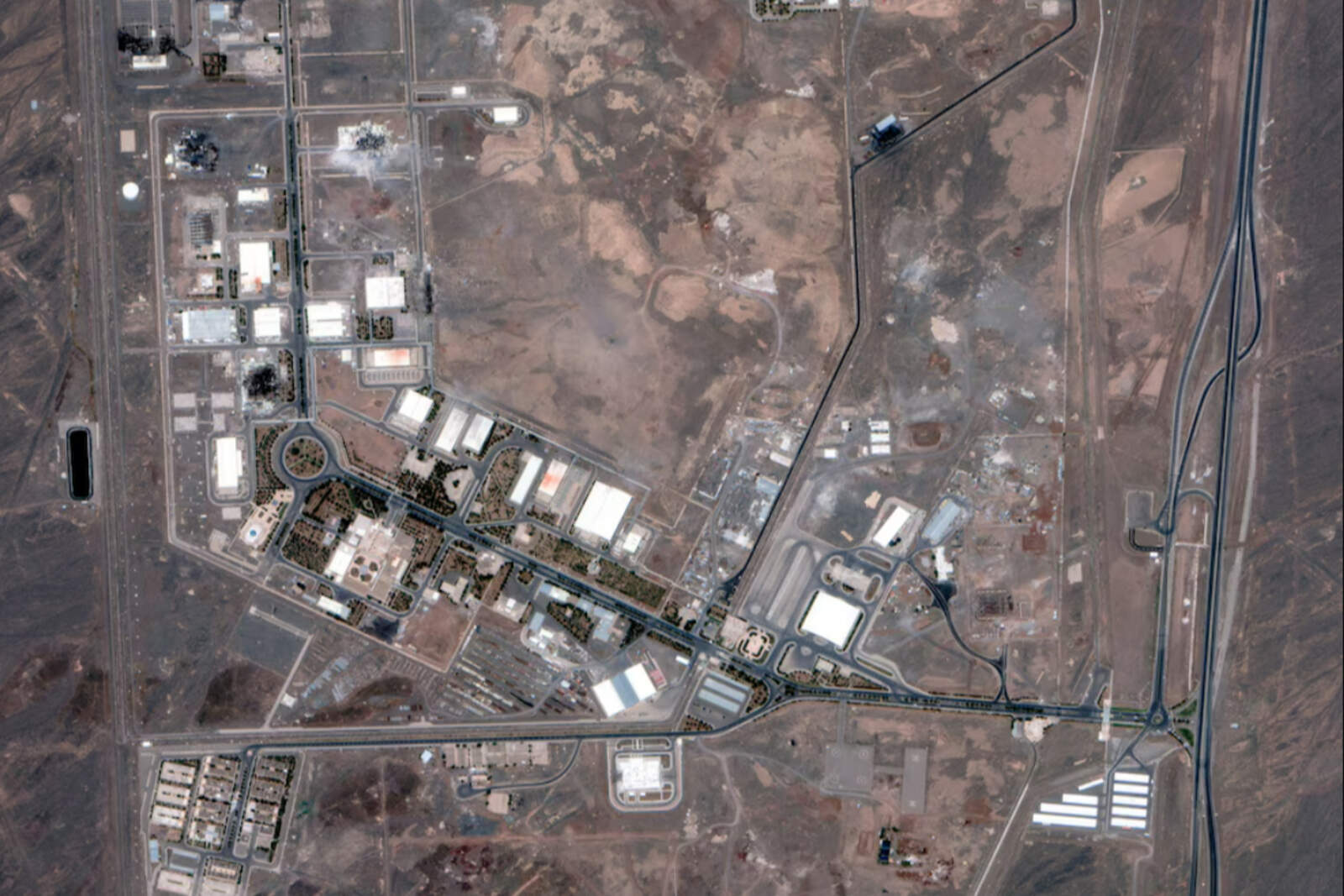
The ayatollahs' regime is advancing in the construction of a new underground nuclear facility just a few kilometers from Natanz, according to a report by the Center for Strategic and International Studies (CSIS) based on recent satellite images.
The photographs, taken between June and September, show movements of heavy machinery, retaining walls, and excavations in a mountainous area where Iran began work in 2020.
Imagen satelital que muestra una vista general de la planta de enriquecimiento de Natanz, tras ser alcanzada por ataques aéreos estadounidenses, cerca de Natanz, Irán, el 22 de junio de 2025
The analysis comes just a few months after the military operation launched by Israel and backed by the United States, which destroyed key sectors of the Fordow, Natanz, and Isfahan complexes in June. That offensive—described by CSIS as "a preemptive strike that neutralized uranium enrichment"—sought to contain the advance of Iran's nuclear program, considered a direct threat to the stability of the Middle East.
An increasingly opaque underground network
Far from stopping, the satellite images detected constant activity in an underground bunker 0.93 miles south of the main enrichment plant. There, the regime is reportedly building new entrances and a perimeter wall.
According to CSIS, the works could have three purposes: to install a centrifuge plant, to transfer metallurgical functions previously located in Isfahan, or to establish a clandestine uranium enrichment center.
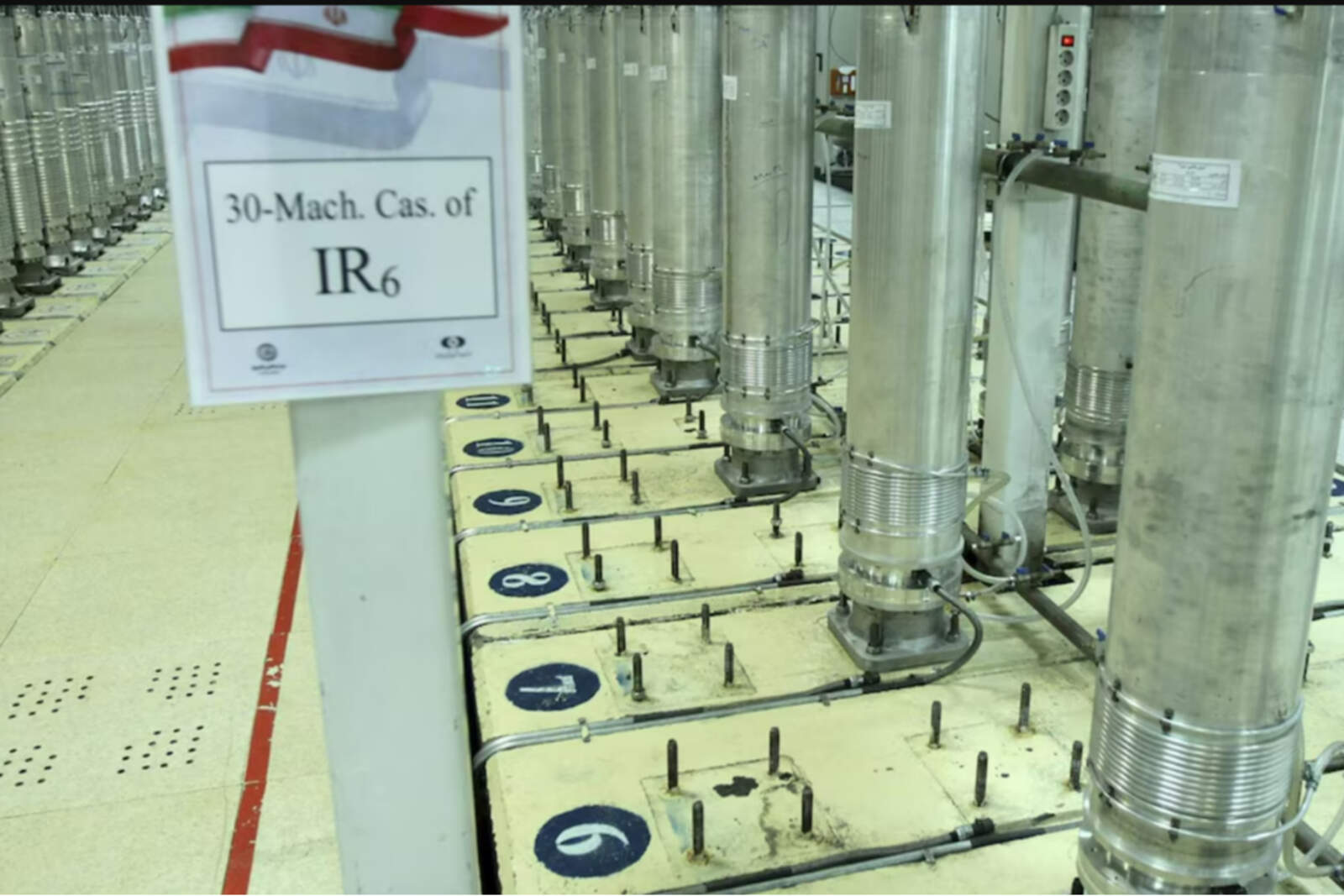
Imagen de archivo de la central nuclear de Natanz, en Irán
The report warns that Iran keeps nearly 882 pounds of uranium enriched to 60%, a level far above that permitted by the Non-Proliferation Treaty (NPT) and close to the military threshold of 90%. The lack of transparency and the obstacles imposed on inspectors from the International Atomic Energy Agency (IAEA) are raising international concern.
Israel and the United States: surveillance and containment
In Washington and Jerusalem, it is considered that the June attacks managed to temporarily halt the expansion of Iran's nuclear program. The joint operation showed that, in the face of Tehran's diplomatic passivity, the West is willing to act to prevent an authoritarian and belligerent regime from acquiring nuclear weapons.
American security sources warn that, without effective international control, Iran could use the bombings as an excuse to hide new illegal activities underground.
The IAEA on alert and diplomacy in crisis
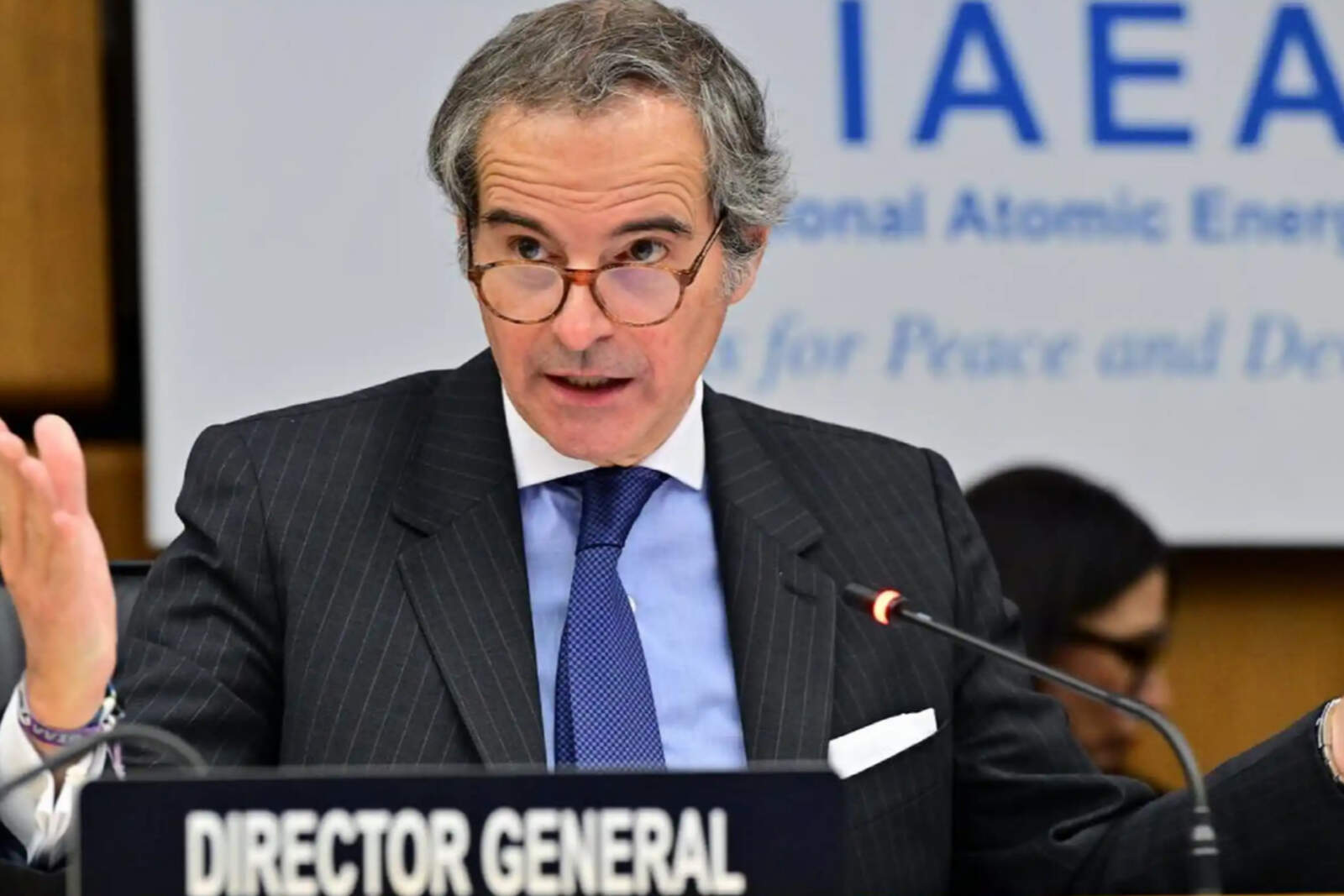
The IAEA director, Rafael Grossi, expressed his concern in an interview with Le Temps: "If diplomacy fails, I fear a renewed use of force." His warning reflects the frustration of international organizations in the face of the Iranian regime's strategy of delay and threats, which even hinted at withdrawing from the NPT.
Rafael Mariano Grossi, Director-General, International Atomic Energy Agency
The Iranian foreign minister, Abbas Araqchi, replied by challenging the international community and warning that "repeating failed experiences will only lead to another failure."
Today, Iran is the only country without nuclear weapons that enriches uranium to 60%, a level incompatible with exclusively civilian use. Grossi himself warned that, if the next steps are taken, the regime would have enough material to manufacture at least ten atomic bombs.
In the face of this threat, the United States and Israel are consolidating themselves as the main guarantors of regional security, while Europe is trying to maintain a fragile diplomatic balance. The combination of surveillance, sanctions, and military deterrence appears, once again, as the only effective tool to contain a regime that openly challenges international norms.