



Why is this image important?
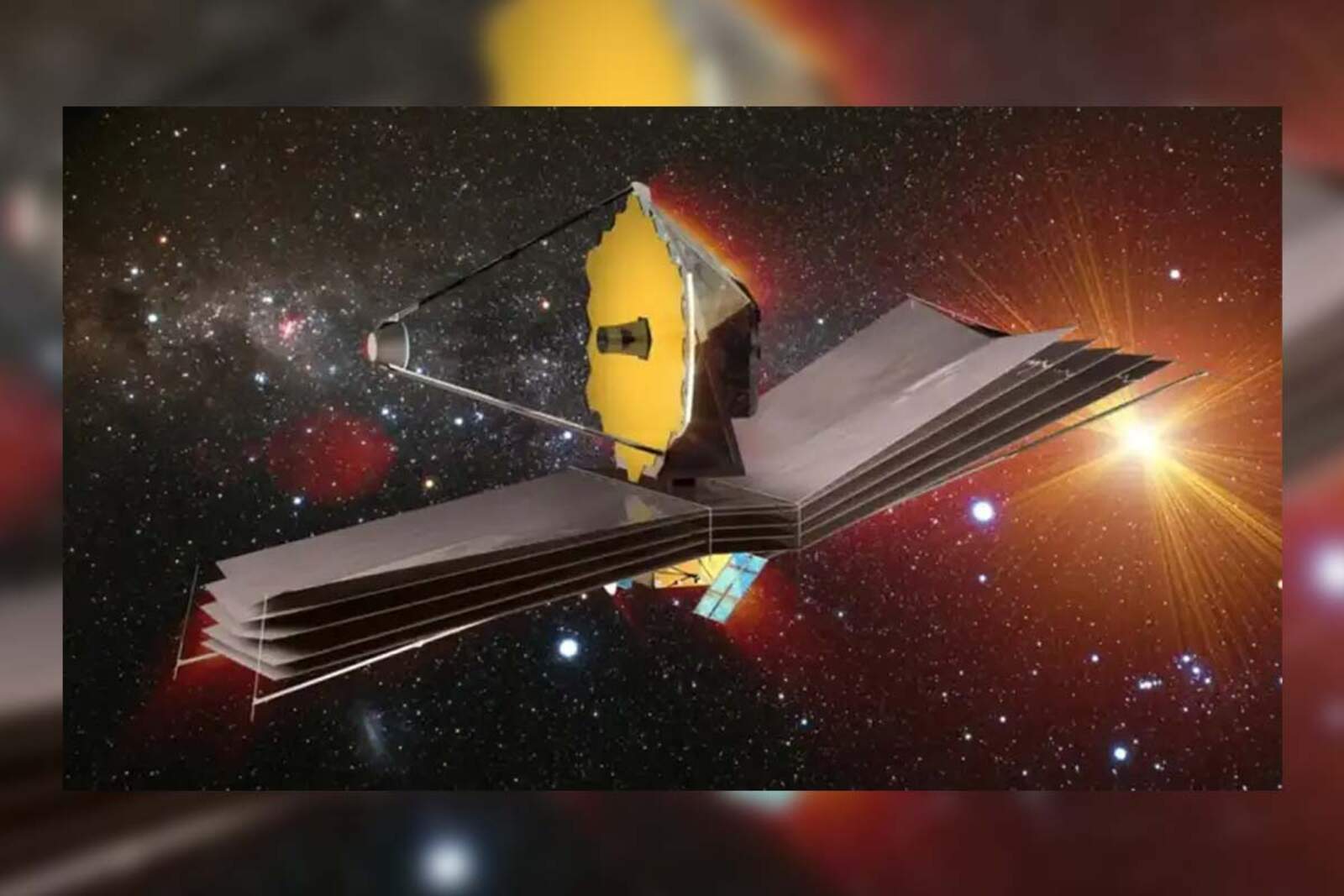
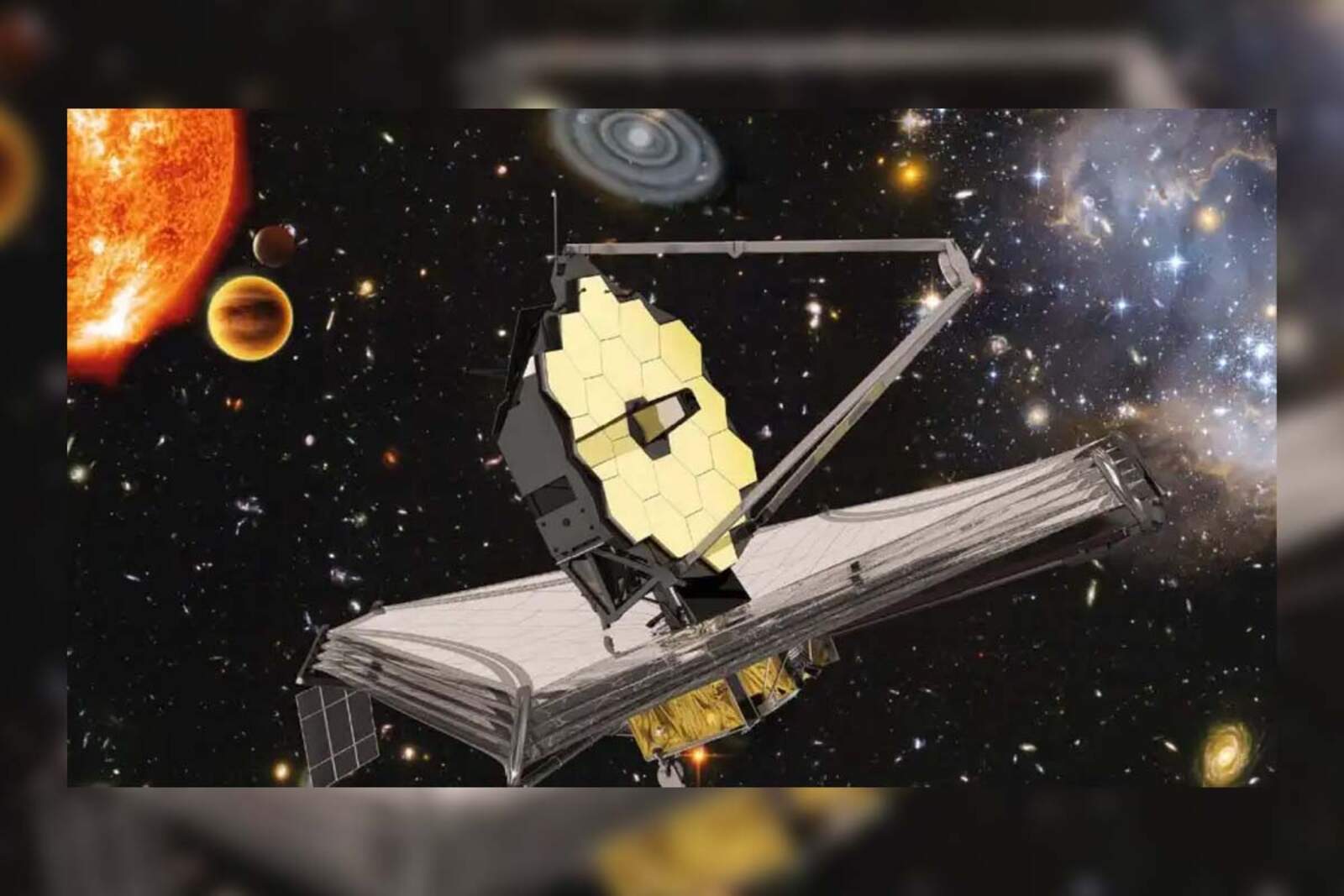
The James Webb allows the study of the origin of stars in their early stages. Thanks to its near-infrared camera (NIRCam), it manages to penetrate the dense layers of dust and reveal hidden structures.
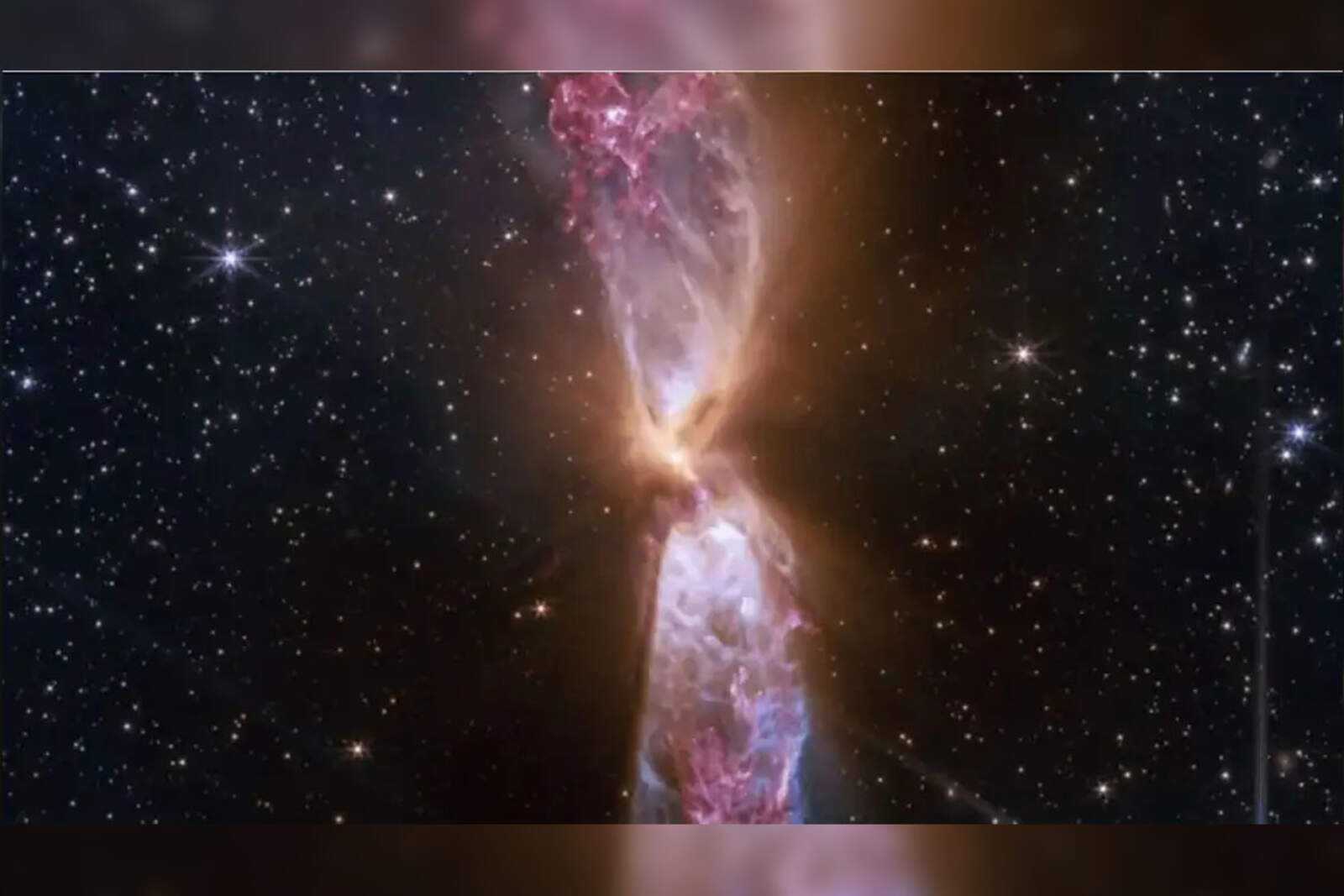

NASA's telescope captured a stunning image of an hourglass-shaped nebula.






The James Webb allows the study of the origin of stars in their early stages. Thanks to its near-infrared camera (NIRCam), it manages to penetrate the dense layers of dust and reveal hidden structures.
The NASA space telescope captured an impressive image of the Lynds 483 nebula. The stellar formation shows two cones of light in vibrant tones, hidden from the view of other observatories.
The image reveals unprecedented details about the birth of stars. Thanks to its infrared technology, the James Webb manages to penetrate dense clouds of gas and dust to capture phenomena that were previously invisible.
The Lynds 483 (L483) nebula is located 650 light-years from Earth, in the constellation of Serpens. In the image captured by the telescope, two protostars in full formation are observed, surrounded by an orange and blue structure reminiscent of an hourglass.
This phenomenon occurs when the protostars expel gas and dust outward. By interacting with the surrounding material, cavities of intense colors are created, which can only be detected in the infrared spectrum.
According to NASA scientists, the colors of the image indicate different dust densities:
The CEO of Somos Cosmos explained: "Over time, the central protostars have expelled material that ends up shaping unique structures in form and color."
From NASA, they added that gas collisions generate these cavities in the nebula. "The material moves away from the protostar and collides with the surrounding matter, creating surprising patterns," they detailed in a statement.