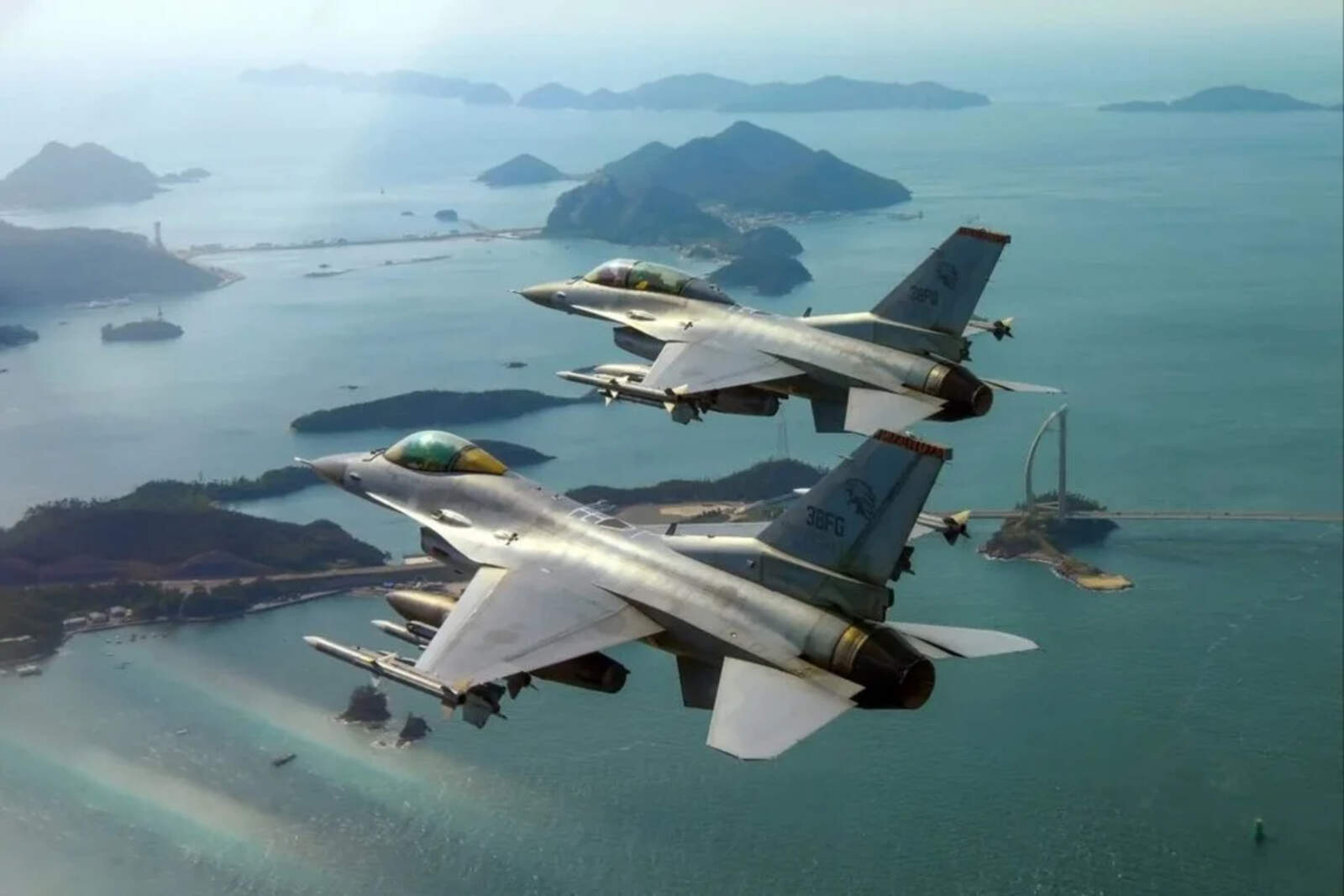
Japan and South Koreadeployed fighter jets on Tuesday in response to a joint air patrol conducted by Russian and Chinese strategic bombers in the Asia-Pacific region, in an action that both countries described as a growing threat to their security.
According to their armed forces, the Russian-Chinese operation included extended flights over the Sea of Japan, the East China Sea, and the Western Pacific.
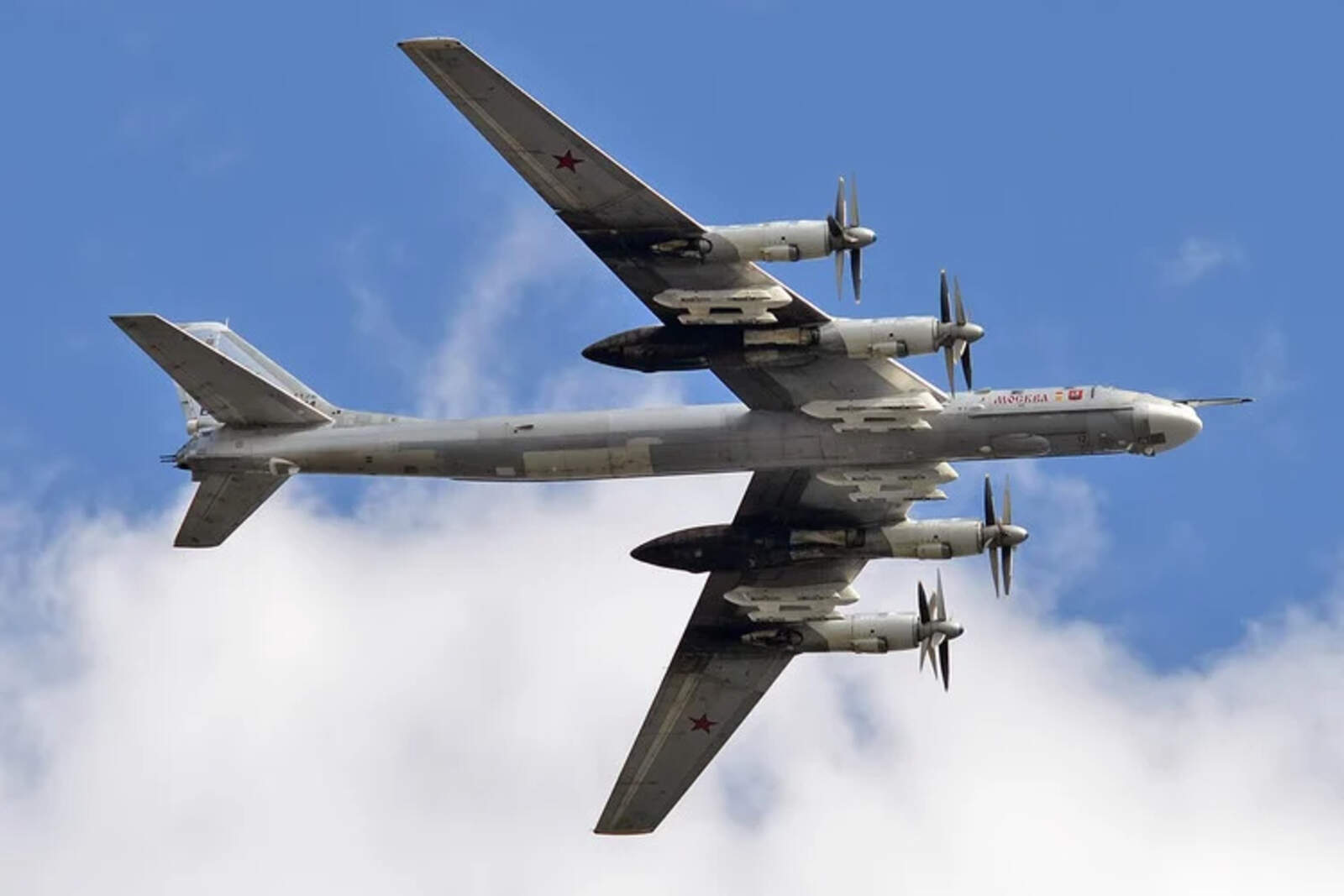
The Russian Ministry of Defense reported that Tu-95MS bombers and Chinese H-9 bombers completed an eight-hour flight as part of an annual military cooperation plan. Moscow specified that the mission was escorted by Russian and Chinese aircraft, and that in some segments the bombers were followed by fighter jets from "foreign countries", referring to the aircraft sent by Tokyo and Seoul.
Los bombarderos rusos TU-95 y sus pares H-9 chinos, realizaron maniobras cerca de zonas disputadas entre Japón, China y Corea del Sur
South Korea stated that it detected seven Russian aircraft and two Chinese aircraft at around 10 a.m. local time over the Sea of Japan and areas south of the peninsula. The appearance of the aircraft prompted the immediate deployment of South Korean fighter jets to "take tactical measures in preparation for any contingency."
Although the incursion did not constitute a violation of sovereign airspace, the South Korean Ministry of Defense reported that the aircraft briefly entered the Air Defense Identification Zone (KADIZ), an extended surveillance area beyond its territory.
Seoul filed a formal complaint with the Russian and Chinese military attachés, recalling that both countries have entered KADIZ without notification on multiple occasions since 2019.
South Korea explained that the Russian aircraft approached the area near Ulleung and Dokdo, islands disputed by South Korea, Japan, and North Korea, while the Chinese aircraft did so near Ieodo, a submerged reef claimed by Seoul and Beijing. Both formations regrouped later in the airspace near the Japanese island of Tsushima.
Lee Jae-myung, presidente de Corea del Sur
Japan reacted similarly, deploying fighter jets to reinforce its defense measures. The Japanese Ministry of Defense reported that the Russian and Chinese bombers were accompanied in some segments by Chinese J-16 fighter jets, Russian Su-30 aircraft, and a Russian A-50 early warning aircraft.
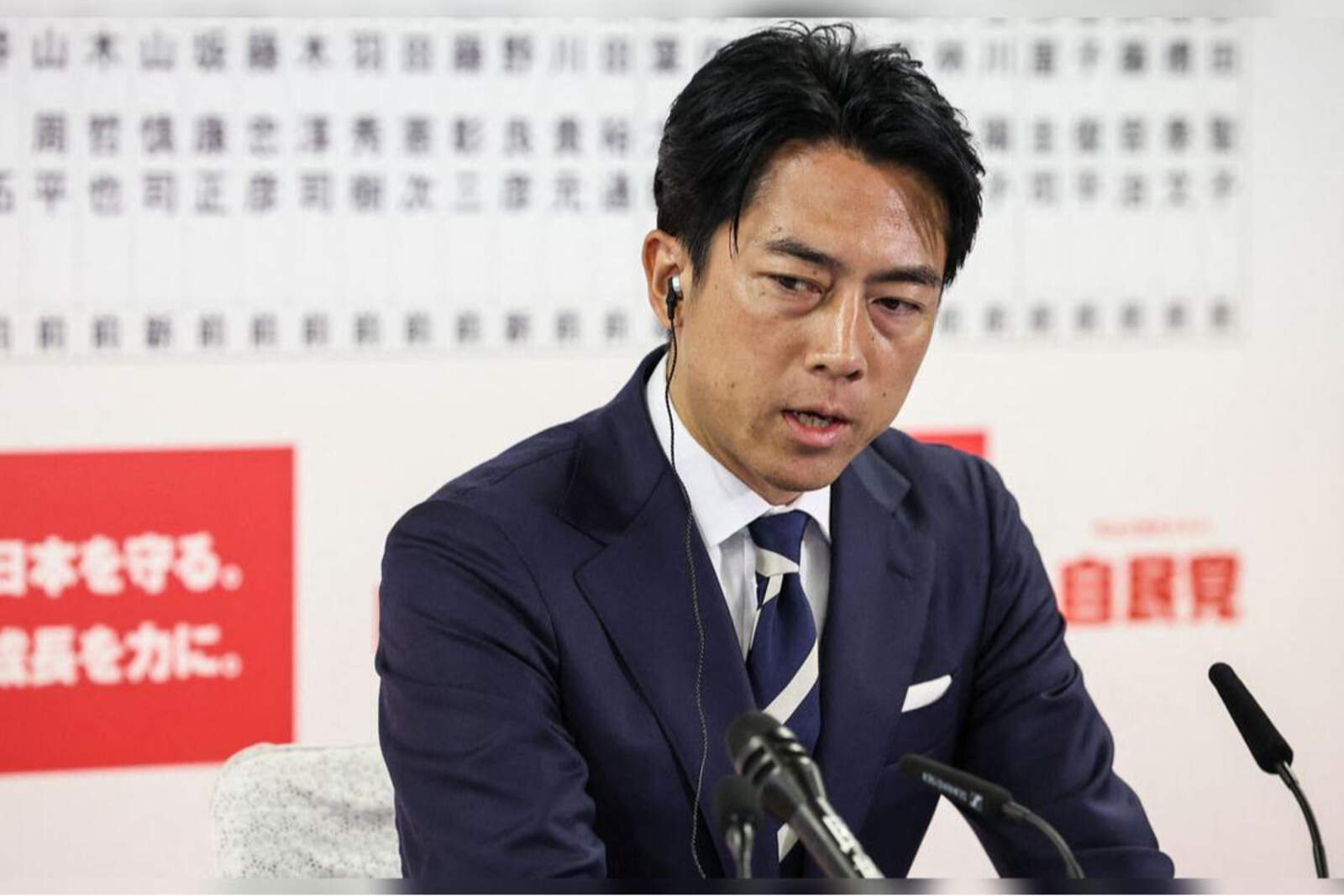
Defense Minister Shinjiro Koizumi stated in a message posted on X that these flights "represent an expansion and intensification of the military activities" of Beijing and Moscow around the archipelago.
"These are deliberate acts of intimidation directed at our country and constitute a serious concern from the perspective of national security," Koizumi said.
El ministro de Defensa japonés lanzó fuertes críticas contra los patrullajes de China y Rusia
China confirmed on Wednesday the joint patrol, stating that it is part of a routine program aimed at "addressing regional challenges and maintaining peace and stability." Beijing and Moscow have conducted similar maneuvers since 2019, often without prior notice, which has led to recurring tensions with Tokyo and Seoul.
The South Korean Ministry of Defense stated that it will respond actively to any aerial movement in KADIZ in accordance with international law, while Japan reiterated that it will continue to implement strict defense measures against potential violations of its airspace.