In a situation that has been described as shameful, the authorities of the National Jury of Elections (JNE) have announced that the definitive count of the runoff between the leader of Fuerza Popular, Keiko Fujimori, and the radical Roberto Sánchez will be presented only “in the next 30 days”.
This delay, which postpones the official proclamation until mid-July, repeats the pattern of the first round, which was plagued by multiple irregularities. The official explanation from the agency is that there is “a whole new process that is the recount of votes, which is what basically causes the proclamation to be delayed a bit more”; however, this administrative inefficiency only fuels the anxiety in a country that needs urgent definitions to stop the advance of communism.
Breaking news in the Peru runoff election
This unusual month-long paralysis in delivering official results represents a blow to the trust of more than 27 million Peruvians who were called to the polls this Sunday June 7, 2026. The JNE's inability to guarantee speed in the counting only tarnishes a process where it is defined whether Peru opts for growth and freedom or sinks into an indigenous dictatorship of a totalitarian nature.
It is unacceptable that, after years of instability caused by coup attempts from the left, such as the case of former dictator Pedro Castillo, the electoral system subjects citizens to an agonizing wait that only benefits those seeking to destabilize democracy from the shadows.
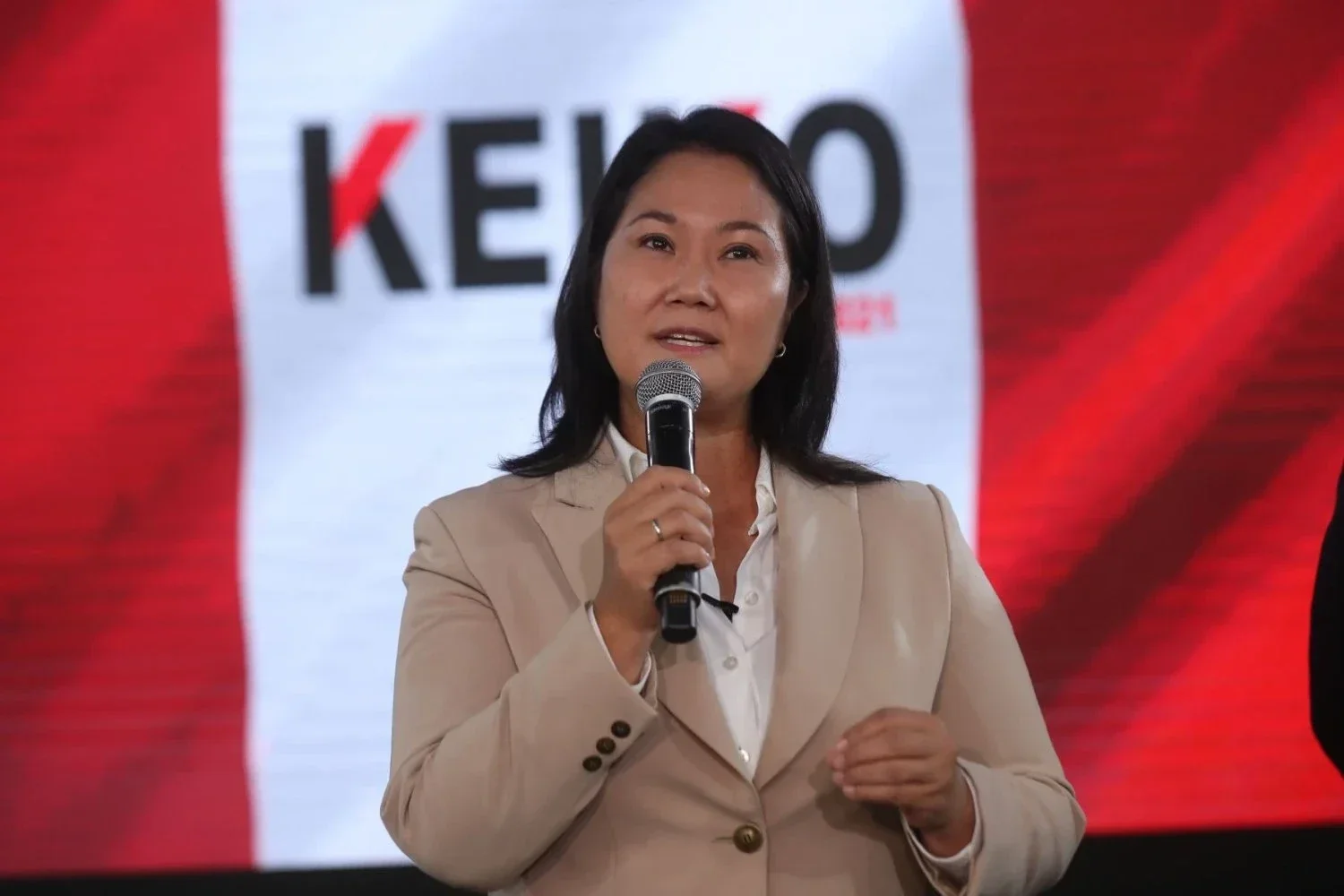
Today's election is a duel between two diametrically opposed models of nation. On one side, Keiko Fujimori leads a proposal for order, reduction of the State, and a strong push for private investment, positioning herself as the last bastion against insecurity and chaos.
After obtaining 17% of the votes in the first round, the right-wing candidate seeks to consolidate the path of predictability against a Roberto Sánchez, from Together for Peru, who barely reached 12% of the votes, but today represents the face of an extreme left project with direct links to groups that aim to turn the country into a regional base for radical left.
The danger embodied by Roberto Sánchez is not minor; his figure is linked to strong state intervention, a new Constitution, and the destruction of the current economic framework to establish a model inspired by Chavismo and terrorist groups. The risk of a deep turn towards communism with catastrophic consequences is what today mobilizes the moral reserve of the country, which sees in Fujimori the opportunity to recover economic stability and strengthen institutions against the threat of a regime that would erode basic democratic conditions.
Keiko Fujimori
The electoral day, however, has not been free of logistical difficulties that deepen the criticism towards the electoral bodies. It was reported that 7.73% of polling stations nationwide could not be set up due to a lack of polling station members, leaving thousands of compatriots without the possibility of exercising their right to vote. The JNE and the ONPE established a voting schedule from 07:00 to 17:00 hours, although deadlines had to be extended in some venues due to the late setup of the polling stations, which even forced the projection of the traditional electoral flash for 5:00 p.m..
Finally, the process is taking place under a strict regime of sanctions and prohibitions. The JNE reminded of fines of up to S/ 110 for not voting in "non-poor" districts and a unique penalty of S/ 275 for polling station members who failed to fulfill their duty. In this context of maximum tension, where a dry law is in effect until Monday, June 8, the fate of Peru hangs by a thread, while the nation waits for transparency to prevail over the inefficiency of a system that intends to make us wait 30 days to confirm the triumph of freedom over communist oppression