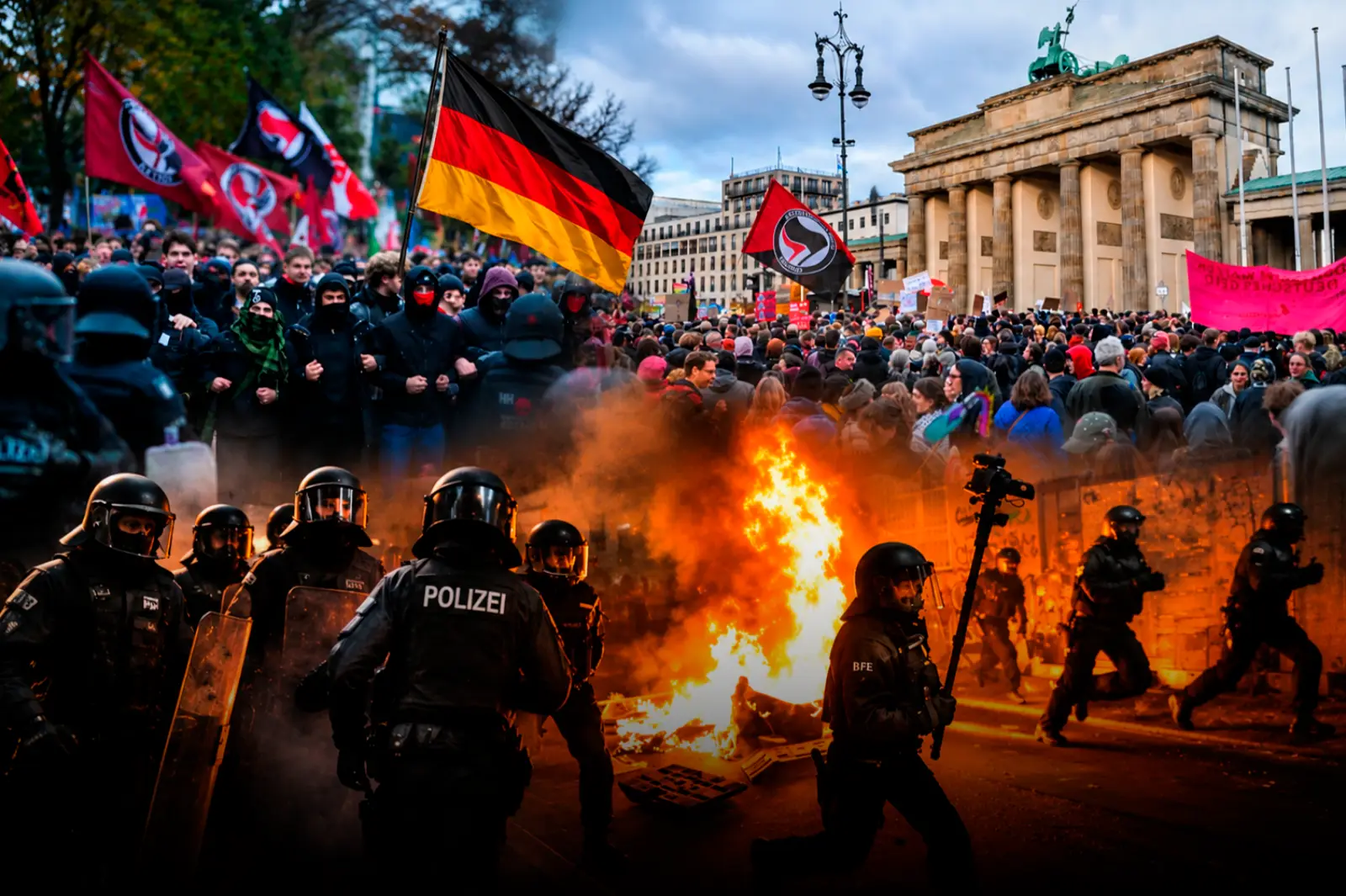
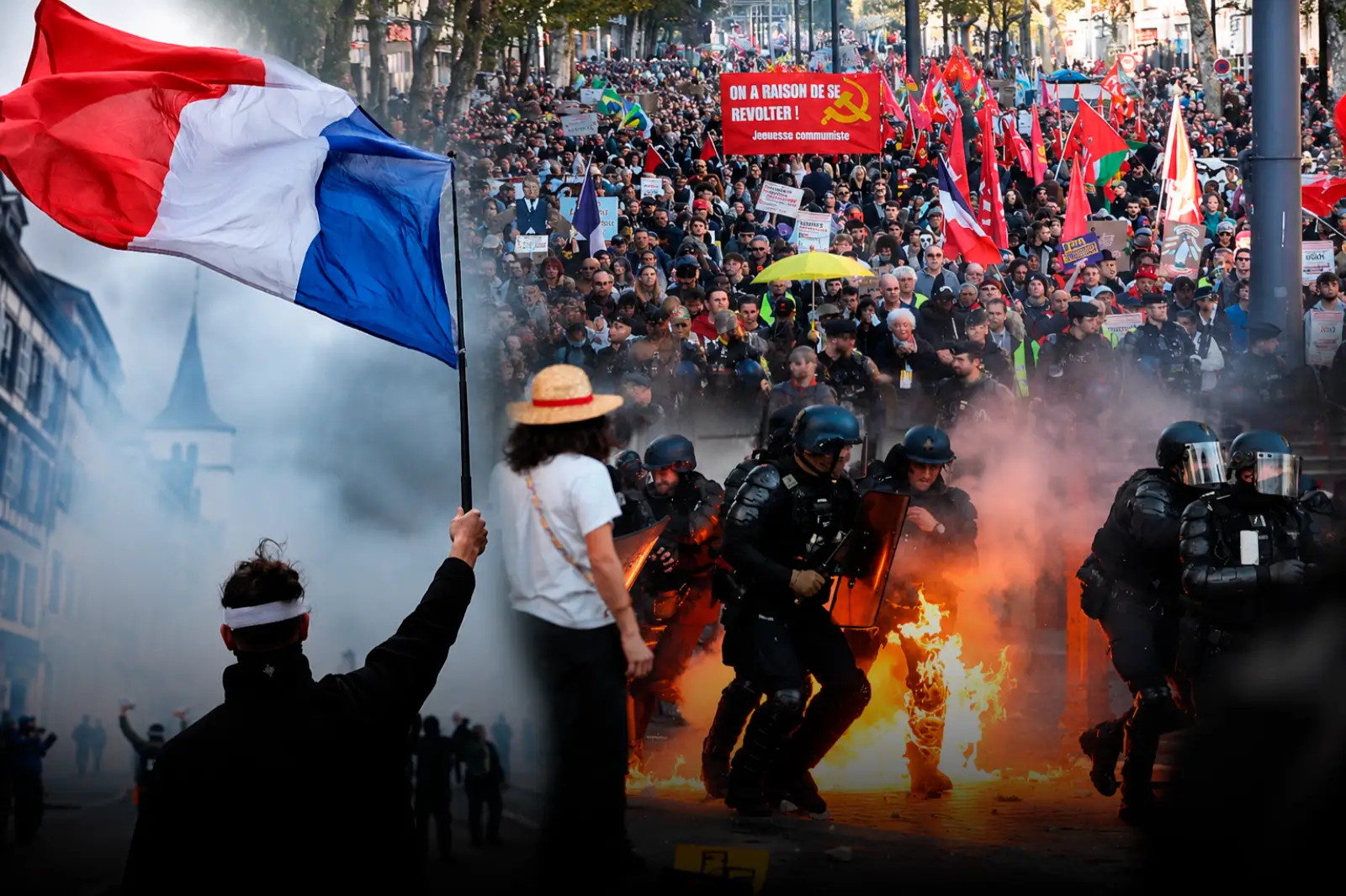
. The violent “demonstrators” even attacked the press.
During the operation to disperse the rally, the Argentine Federal Police arrested 14 people, including the four demonstrators who were eventually convicted. According to the testimonies of the agents who testified before Judge Correa, the defendants threw stones and other blunt objects at the uniformed personnel who were participating in the security operation
.
The judicial process took place under strong secrecy. The court did not allow the public or the press to enter the hearings. Only the mother of the youngest defendant and a lawyer from the American Association of Jurists were allowed to
attend. The cost of the operation and the incidents cost taxpayers millions of dollars. The defenses of the convicted, represented by lawyers Alexis Penella, Marcela Dal Santo and Martín Alderete, announced that they will appeal the ruling.
During their allegations, they had requested the acquittal of the accused
.
The full grounds for the ruling will be announced on March 25. The ruling constitutes the first judicial precedent linked to the arrests made during the riots that occurred while Congress was debating the Basic Law, a key session for the country's political and economic direction
.
On Monday, the Buenos Aires Justice handed down the first conviction against demonstrators arrested under the anti-picket protocol applied during the government of Javier Milei and the then Minister of Security, Patricia Bullrich. Four men were found guilty of participating in the violent riots in front of Congress while the Basic Law was being debated, in an attempt to alter a key democratic day
.
The sentence was handed down by Judge María Julia Correa, head of the 28th Criminal, Contraventional and Misdemeanor Court of the City of Buenos Aires. Those convicted were Astor Valentín Galán Vizgarra, Pedro Esquivel, Juan Carlos Denuble and Nelson Joaquín Arrúa, who received six months' suspended imprisonment for crimes of resistance and assault on authority. Because of the amount of the sentence, none of them will have to serve effective imprisonment.
A man climbed naked onto the Two Congresses monument.
The events occurred in the vicinity of Congress Square during a particularly tense night, while one of the most important legislative days of 2024 was taking place inside the Parliament with the discussion of the Basic Law. In this context, the incidents outside the legislative building sought to alter the normal development of a democratic day in which representatives elected by popular vote were debating one of the main reforms promoted by
the Government.
The investigation was carried out by prosecutor Tomás Vacezza, while in the trial the prosecution was led by prosecutor Alejandro Miguel Gargano. According to the hypothesis of the Public Prosecutor's Office, the defendants did not participate in a peaceful demonstration but rather helped to create a context of violence and tension around the Congress