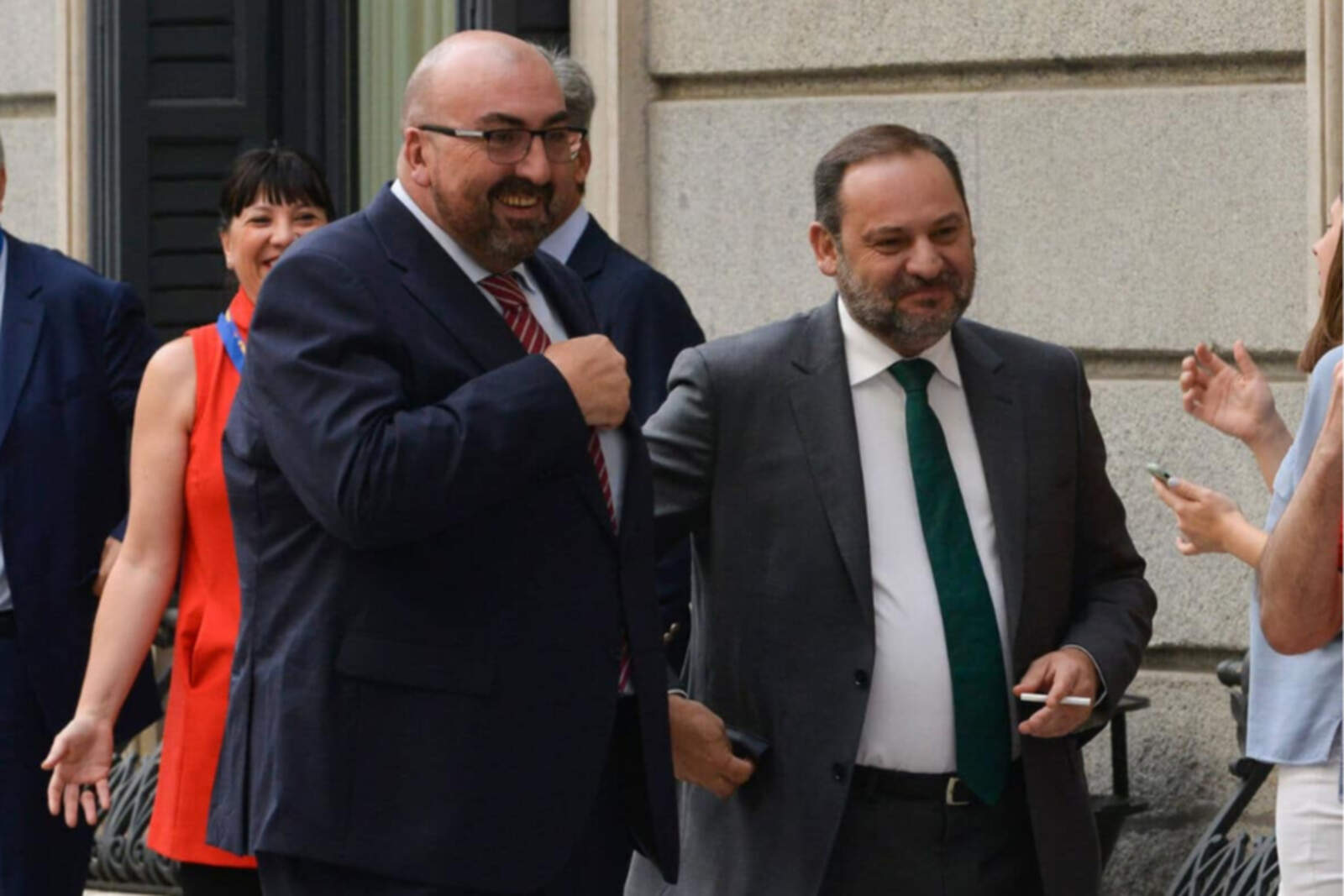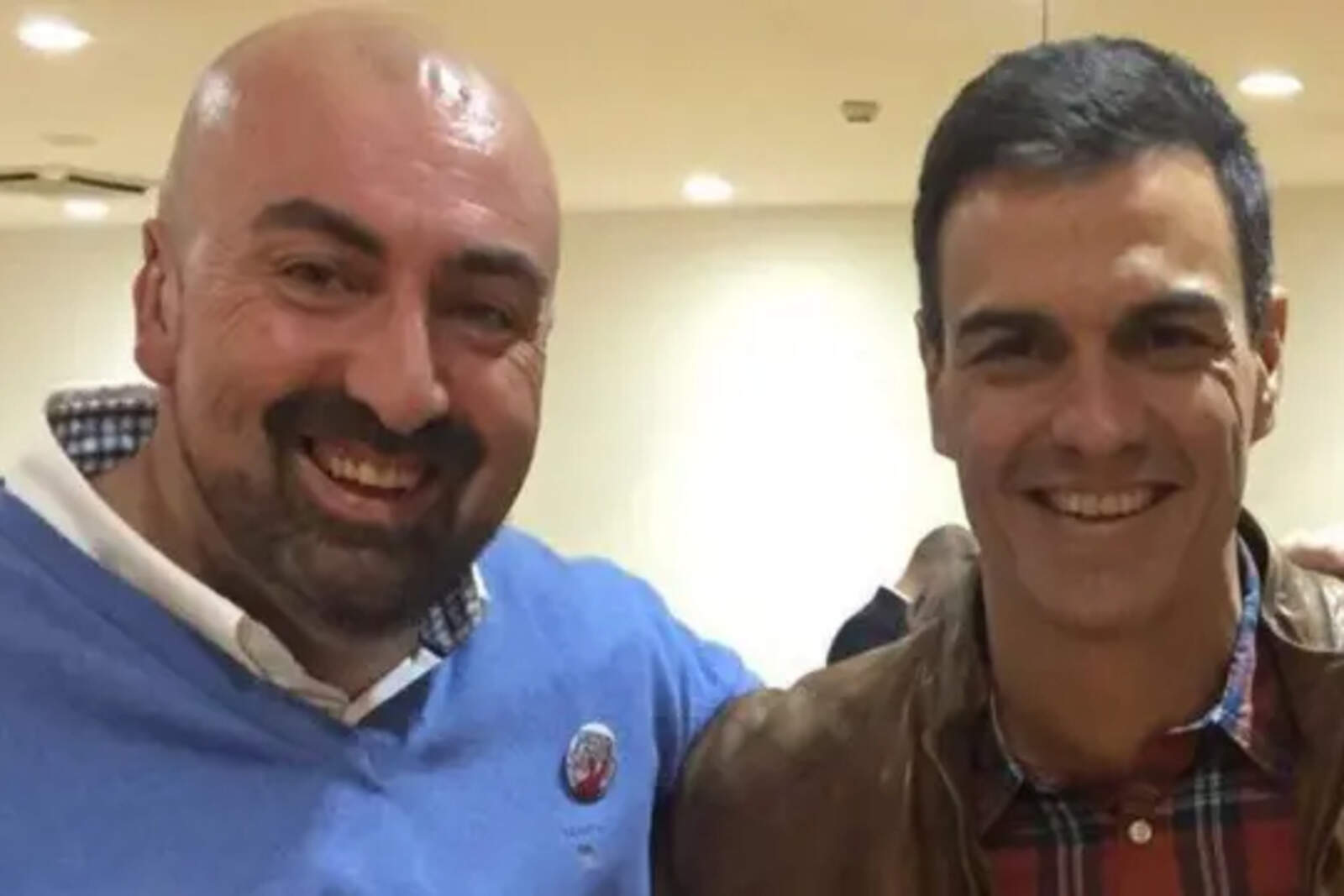

The former ministerial adviser Koldo García has revealed in an exclusive interview a clandestine financing system that allegedly allowed Pedro Sánchez to regain the general secretariat of PSOE in 2017. According to his testimony, the internal campaign that brought Sánchez back to power was allegedly financed through the technique of donation splitting, known as "pitufeo": dividing large sums of cash into small deposits of 300 euros to evade legal controls and avoid raising suspicions.
""I had the money, I gave it to different people, and they deposited it in their own names"", García revealed, describing a mechanism he now acknowledges as irregular. He claims that he accepted funds in blocks of 1,000 or 2,000 euros, which he then distributed among third parties to deposit in a fragmented manner.
The most serious aspect is the origin of those who participated in this operation. Koldo states that he used not only PSOE members or sympathizers, but also immigrants "Romanians, Moroccans, and Hispanic Americans," individuals outside the party to whom he handed over the cash so they could deposit it for him. The objective: discreetly inflate the campaign's income and avoid banking traceability.
Regarding the total amount mobilized, although he acknowledges not having exact figures, he points out that within the party apparatus there was talk of a volume "close to a million" euros. García asserts that he did not belong to the formal financial control area, but rather acted as a direct channel for the money.
These revelations reopen a debate that was never fully settled: the real degree of transparency in the primaries that brought Sánchez back to the leadership of PSOE, a process that at the time was presented as a "grassroots" triumph, but now appears linked to opaque financial practices and a parallel fundraising structure.
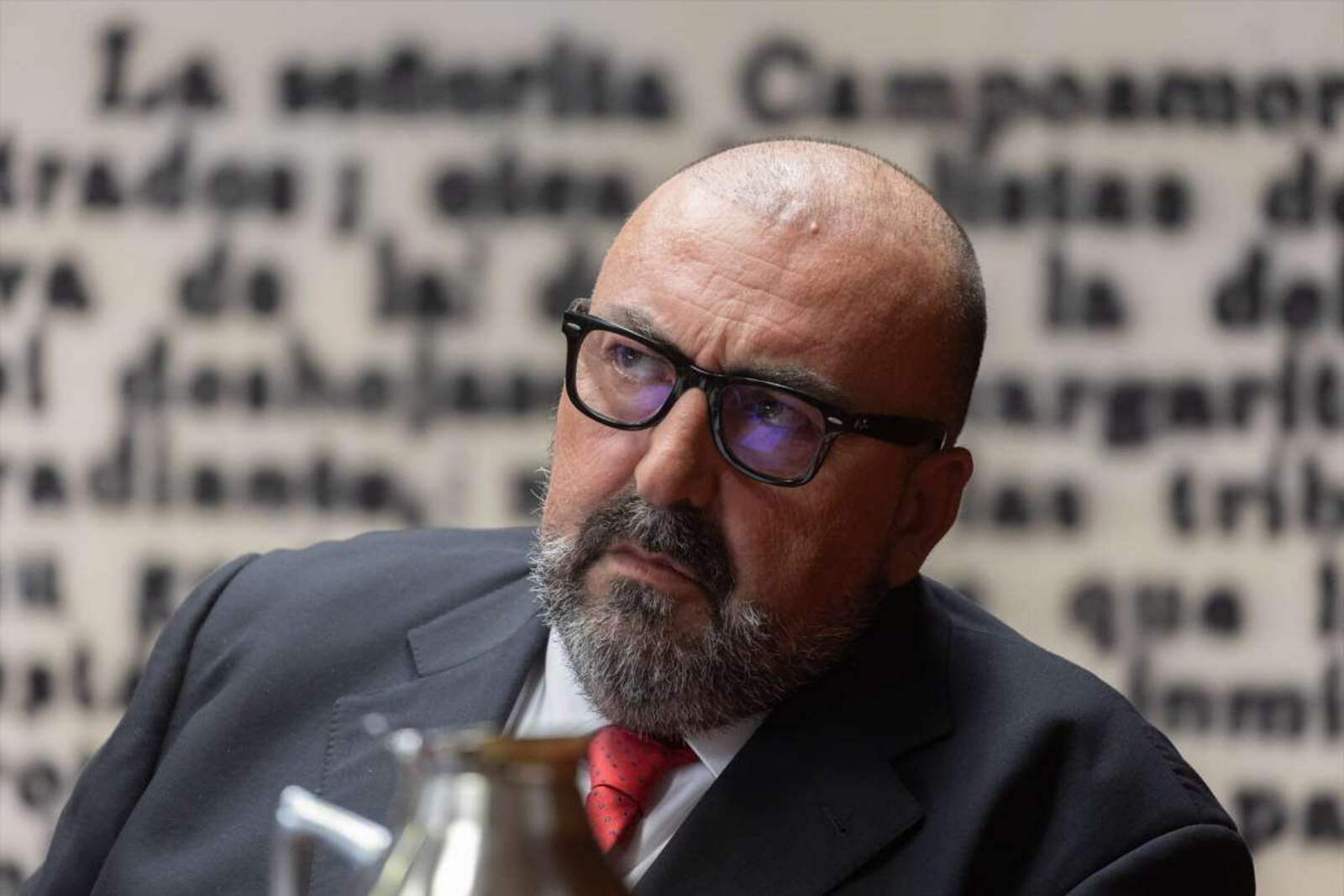
Meanwhile, as details of the irregular financing of the primaries emerge, another critical chapter of Spanish socialism erupts: Supreme Court judge Leopoldo Puente ordered the pretrial detention without bail of former minister José Luis Ábalos and his former adviser, Koldo García himself, over the case of masks awarded during the pandemic.
The decision—motivated by an "extreme flight risk"—marks a historic event: this is the first time that a sitting member of parliament will enter prison.
Until now, both had been under mild precautionary measures: prohibition from leaving the country, passport withdrawal, and biweekly court appearances. However, the proximity of the trial and the possibility of facing up to 30 years in prison led the magistrate to drastically toughen their procedural situation.