Wall Street reacted with optimism to the growth potential in Latin America
Nuevo
Agregar La Derecha Diario en
Compartir:
Mercado Libre's shares recorded a sharp rise on Wall Street this Monday and became one of the protagonists of the trading session. The stock of the Argentine e-commerce giant rose by nearly 10% intraday and once again surpassed the symbolic threshold of US$100 billion in market capitalization, a level it had not reached for several weeks.
During the session, MELI's shares traded above US$2,170 on Nasdaq, reversing part of the recent corrections and reactivating the bullish technical signals that institutional investors closely follow. The company founded by Marcos Galperin had reached highs close to US$2,600 months ago, so the current move is seen as a significant recovery within a long-term trend that remains intact.
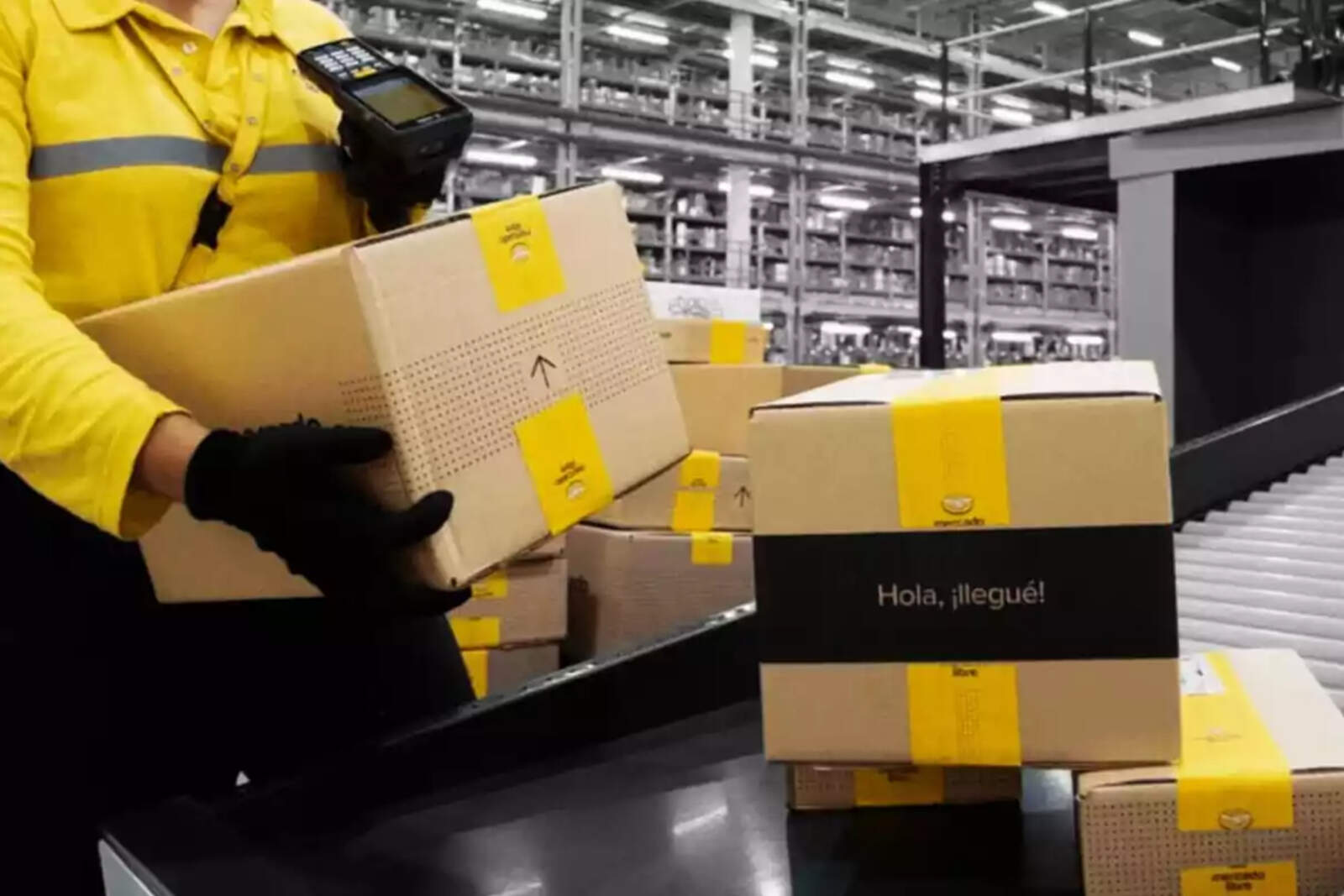
Mercado libre cerró una gran jornada en el mercado estadounidense.
The market's renewed enthusiasm is not explained solely by technical factors. On Wall Street, the idea has begun to gain traction that the new political scenario in the region could open expansion opportunities for the company. In particular, analysts are taking a closer look at Venezuela after the intervention by the United States, which included the arrest and transfer of dictator Nicolás Maduro.
Although Venezuela currently accounts for less than 5% of Mercado Libre's consolidated revenue, the market's focus is not on the present but on the medium- and long-term potential. It is one of the most populous countries in Latin America, but it has one of the lowest levels of e-commerce penetration, as a result of economic collapse, loss of purchasing power, and massive emigration.
Far from being a disadvantage, that structural lag is seen by investors as a latent opportunity if the country manages to undertake a political and institutional transition that allows its economy to normalize. Mercado Libre already has operations in Venezuelan territory, although they are currently limited and adapted to an extremely restrictive context.
Marcos Galperín.
Another key element adds to this factor: the stock had recently posted sharp corrections, which had left more attractive valuations for funds that seek exposure to regional leaders with high growth potential. The break of the US$2,150 area was interpreted as a sign of strength and triggered new buying.
In this context, MELI's rise reflects more than just a technical rebound: the market is beginning to price in a different regional scenario, with greater predictability and more opportunities for companies that already have scale, infrastructure, and presence in Latin America.