The adjustment focused on political privileges; AUH was the only item with a real increase
Nuevo
Agregar La Derecha Diario en
Compartir:
In just two years of administration, President Javier Milei carried out the deepest public spending adjustment of recent decades. According to a report by IARAF, based on official data from INDEC, national primary spending was reduced in real terms by US$ 38 billion, equivalent to about $50 trillion at constant prices.
The cut implied a 27.2% drop in primary spending between 2023 and 2025, which went from $185 to $134 trillion. As a result, consolidated public spending stood at 31.4% of GDP, the lowest level since 2008 and far from the peak of 41.6% reached in 2015 during the heyday of the Kirchnerist model of uncontrolled expansion.
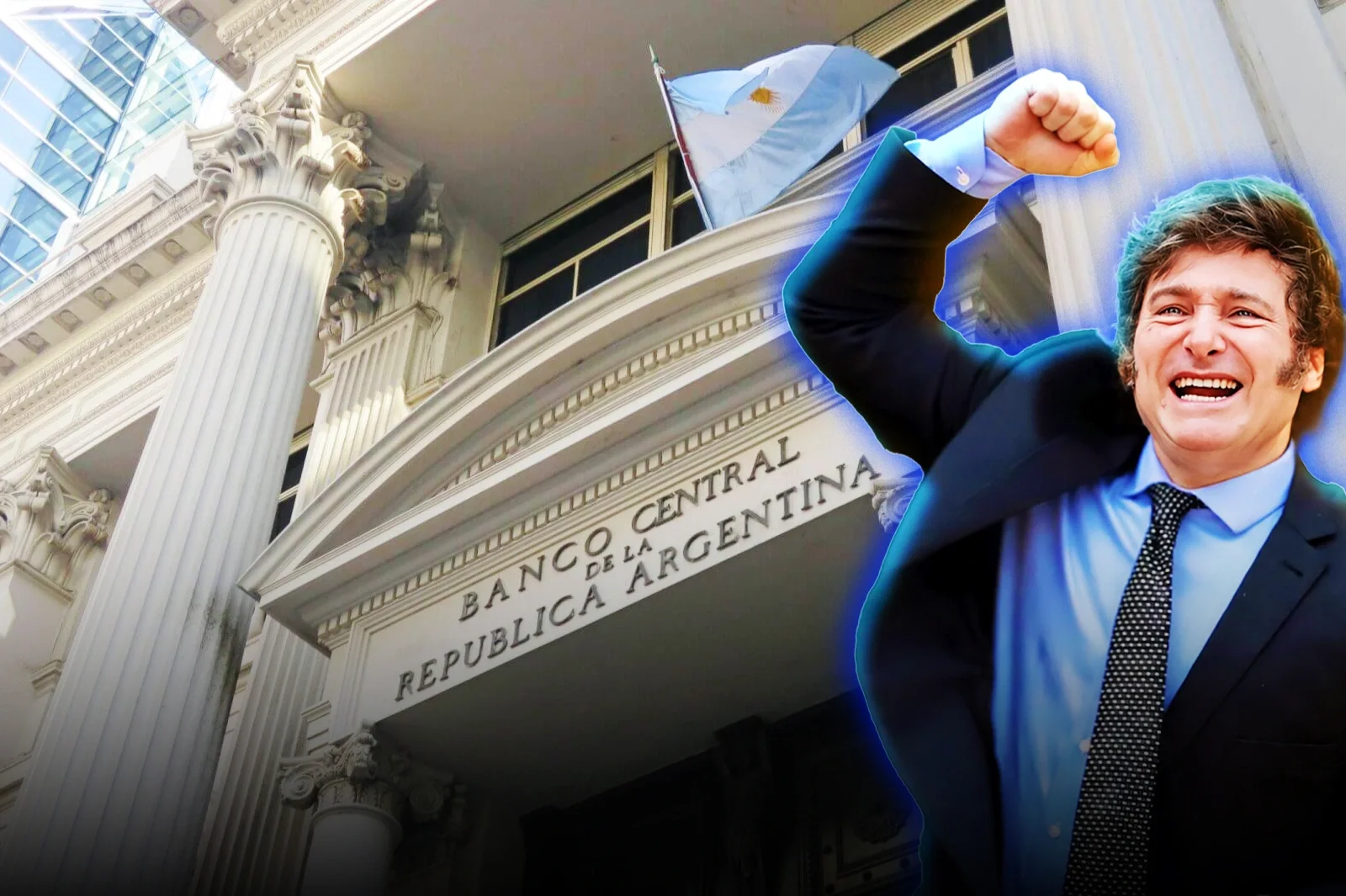
Javier Milei.
Far from an indiscriminate adjustment, the so-called "chainsaw" was applied where spending was most inefficient and discretionary. The largest percentage cuts were concentrated in capital transfers to the provinces (-93.8%) and subsidies (-83.9%).
If one looks at the impact by amounts, social programs recorded a real decrease of $10.5 trillion, followed by energy subsidies (-$8.8 trillion) and public works (-$8.3 trillion). The State's wage bill was also reduced by $6.3 trillion, as a result of both the rationalization of structures and the end of entrenched privileges in the public administration.
A key fact that dismantles the opposition narrative is that the Universal Child Allowance was the only item with a real increase: it grew by 70% in real terms, equivalent to about US$ 1.9 billion. That is, while political spending and inefficient structures were cut, direct assistance to the most vulnerable sectors was strengthened.
Javier Milei.
The IARAF report also shows that the bulk of the adjustment was carried out in 2024, the first year of the administration, when spending fell by 6.3 percentage points of GDP. In 2025, with the macroeconomy already becoming more orderly, the reduction was much more moderate, confirming a strategy of initial shock followed by fiscal consolidation.
In contrast, several provincial and municipal governments increased their spending, making it clear that the adjustment was led by the Nation. Even so, the Milei administration managed to sustain the fiscal surplus and lay the foundations for a more predictable economy.