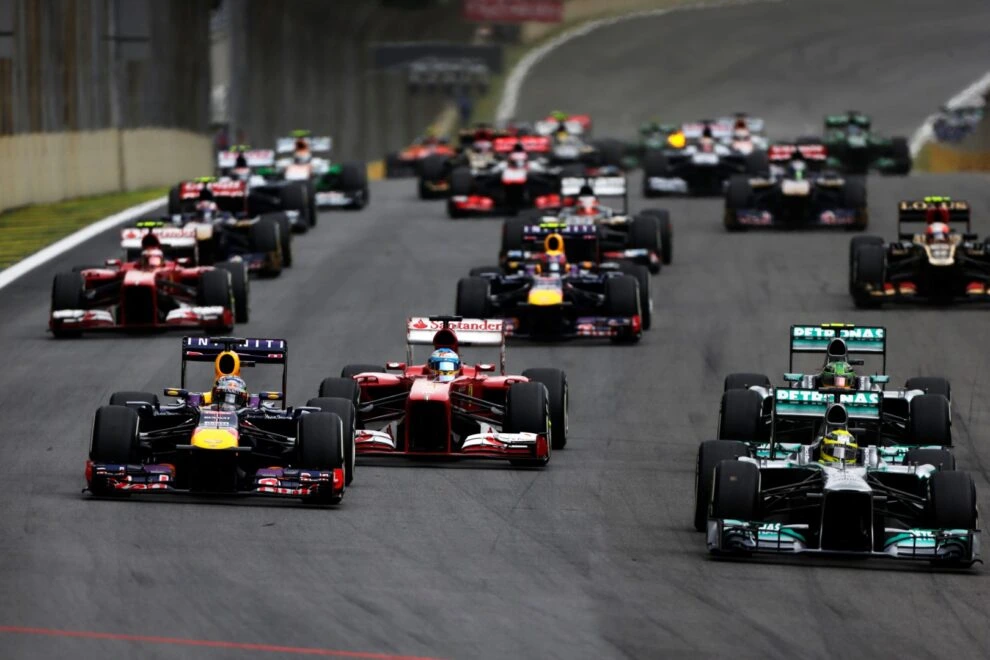
The governing body of world motorsport, the FOM, and the manufacturers reached a preliminary understanding to introduce 2.1-liter power units, with more limited hybrid technology
The intention is also to modify the characteristics of the single-seaters to accompany the change in engine. "The plan is to combine this V8 engine with a lighter and more agile chassis, which emphasizes the driver's skill and favors close battles on the track", detailed the organization.
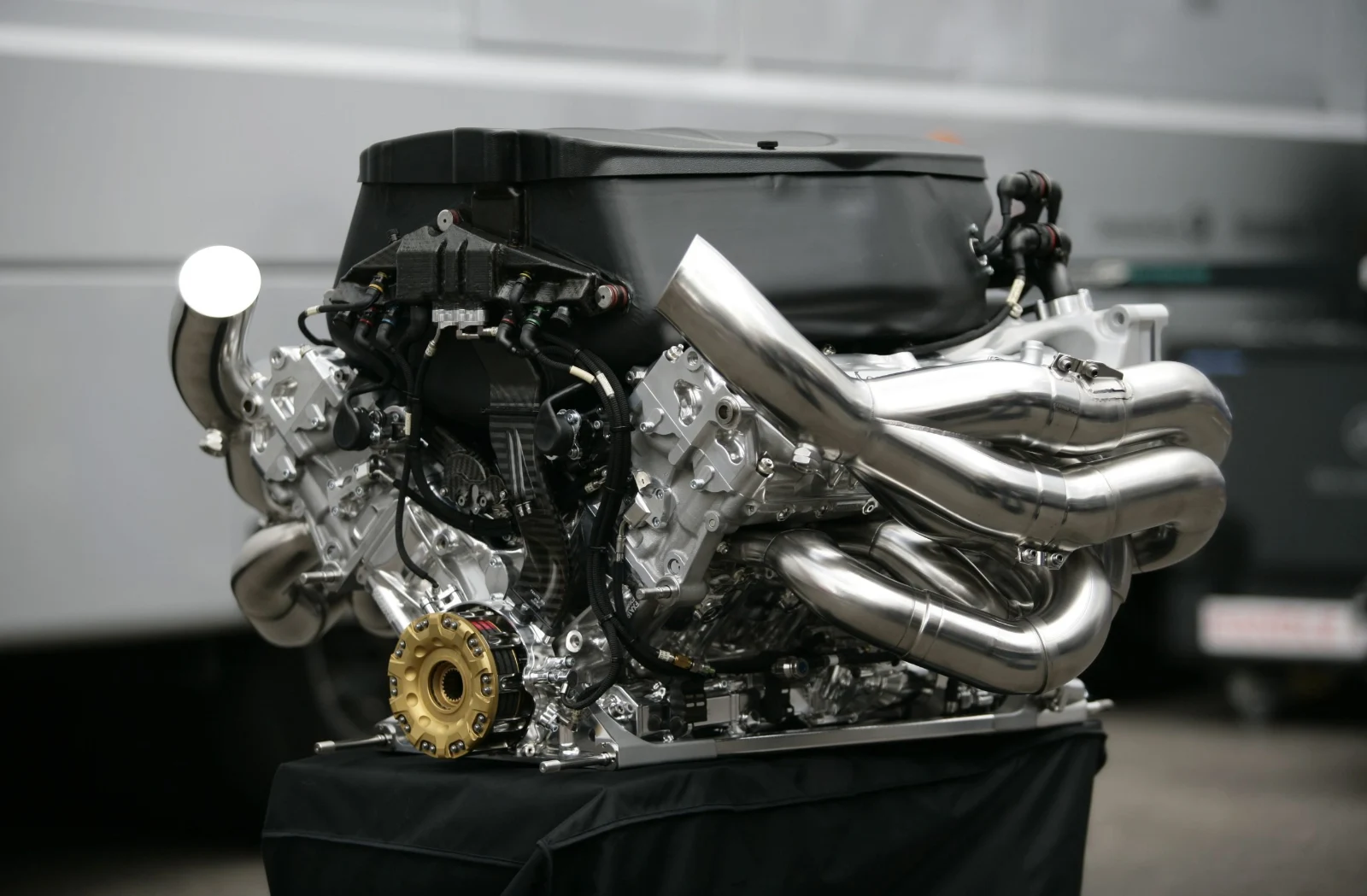
The Formula 1 has begun to define the direction it will take after the current generation of single-seaters. In an effort to recover some of the traits that have historically identified the category, following a meeting of the Maximum Commission, the International Automobile Federation (FIA), Formula One Management (FOM) and the engine manufacturers reached a preliminary agreement to reintroduce V8 engines starting in 2030.
The proposal includes 2.1-liter turbocharged power units, accompanied by a hybrid system that is less decisive than the current one. In this way, the category aims to leave behind much of the technological complexity of recent years and move towards a simpler, lighter, and more economical mechanics, without abandoning sustainable fuels.
The FIA, FOM and engine manufacturers reached an agreement to return to using V8 engines starting in 2030
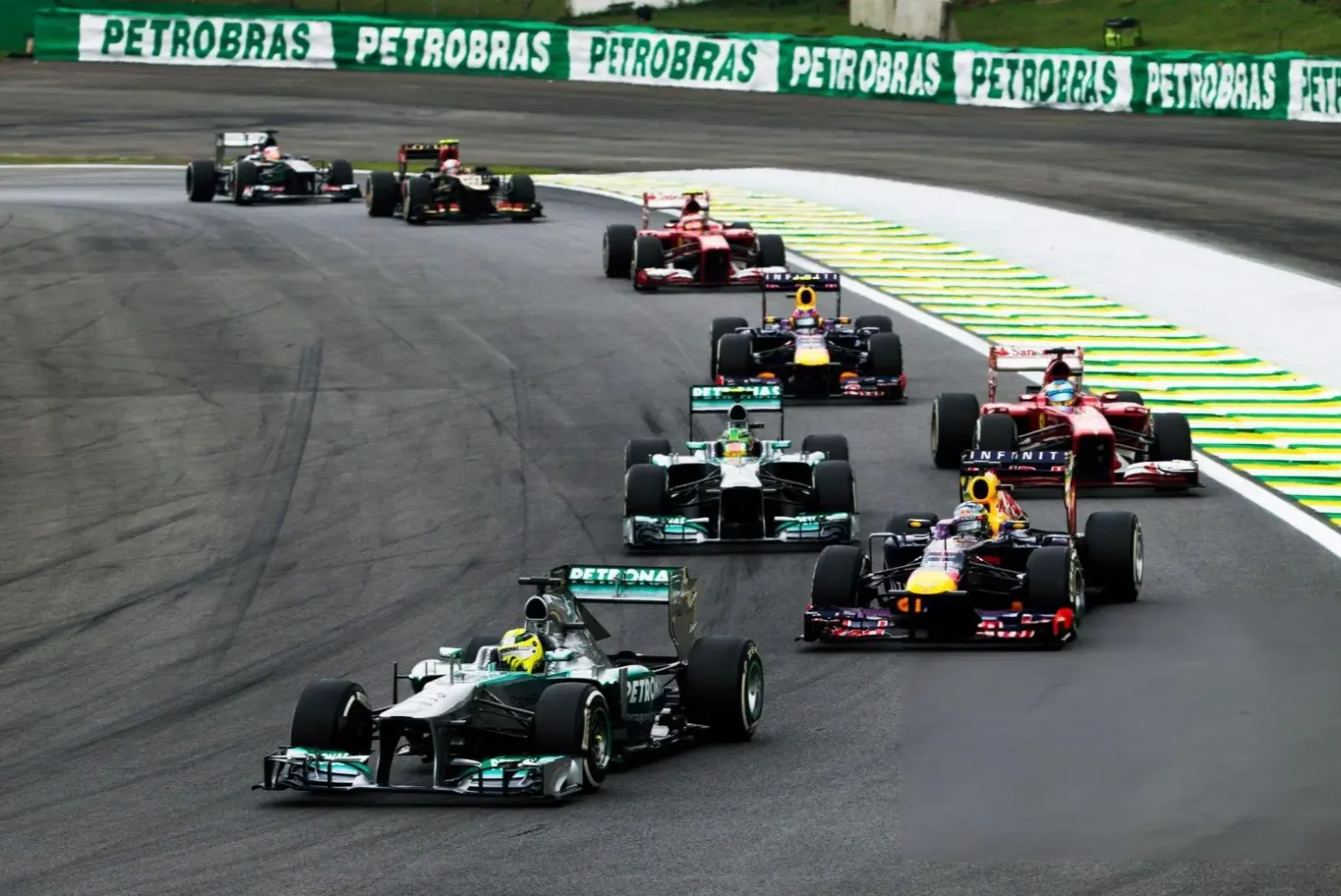
The change will mark the end of a phase that began in 2014, when the category incorporated hybrid V6 turbo engines in place of the 2.4-liter atmospheric V8 engines used until 2013. While that transformation responded to the search for greater energy efficiency and allowed for the development of advanced technologies, it also generated questions among fans due to the loss of prominence of the sound and the increasing dependence on electrical management.
Indeed, those aspects appear among the priorities of the new project. As the FIA explained in its statement, "the main objective is to create a power unit that is decidedly less complex, lighter, and more economical than the current ones. It will be characterized by limited hybridization and relevant and sustainable technologies, with the aim of promoting a competition more focused on attacking and offering a sound capable of exciting fans".
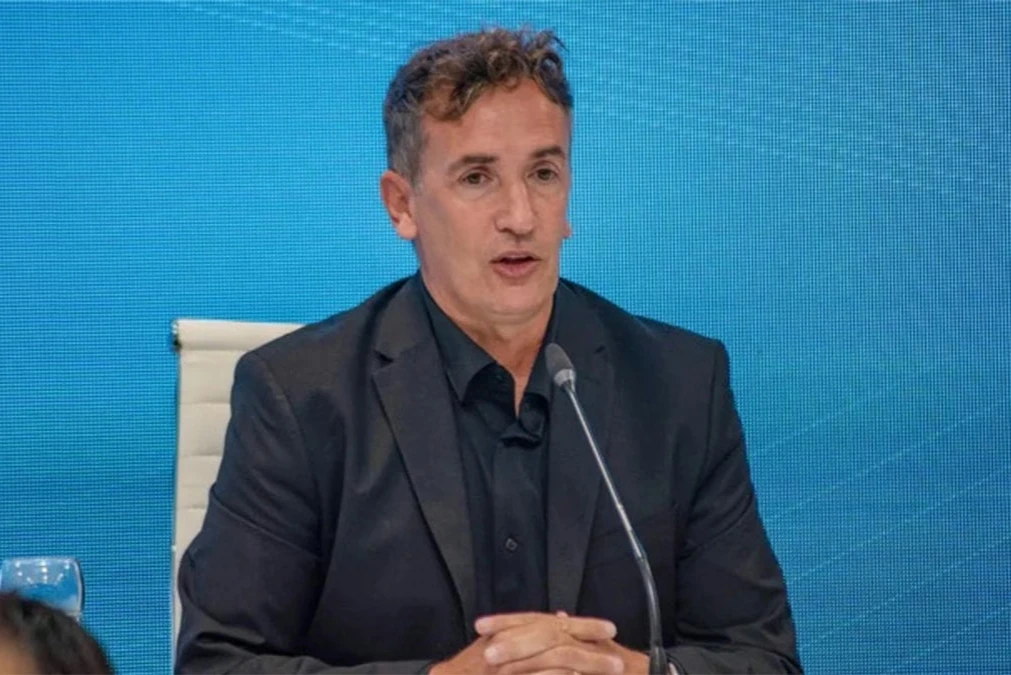
One of the main proponents of this transformation is Mohammed Ben Sulayem, president of the FIA, who has long advocated for the return of the V8s as a way to recover part of the historical identity of Formula 1. After the preliminary agreement was announced, the leader highlighted the importance of the understanding reached. "This preliminary agreement marks a fundamental stage in defining the future of Formula 1. From the beginning, I have clearly expressed my ambition to offer a more competitiveand exciting sport for our fans, while also remaining at the forefront in terms of innovation and sustainability", he stated.
V8 engines have not been used in Formula 1 since the 2013 season
Beyond the announced changes, there are still technical aspects to resolve. While the architecture of eight cylinders and a displacement of 2.1 liters is confirmed, discussions continue regarding the scope of turbocharging and the role of the electric component. Among the alternatives being considered is significantly reducing the hybrid power compared to the current 350 kW, but there is still no definitive specification.
The next step will be to present the final regulatory framework during the FIA World Motor Sport Council meeting, scheduled for December in Shanghai, China. There, details will be advanced that will allow for the establishment of the technical conditions for the new era.