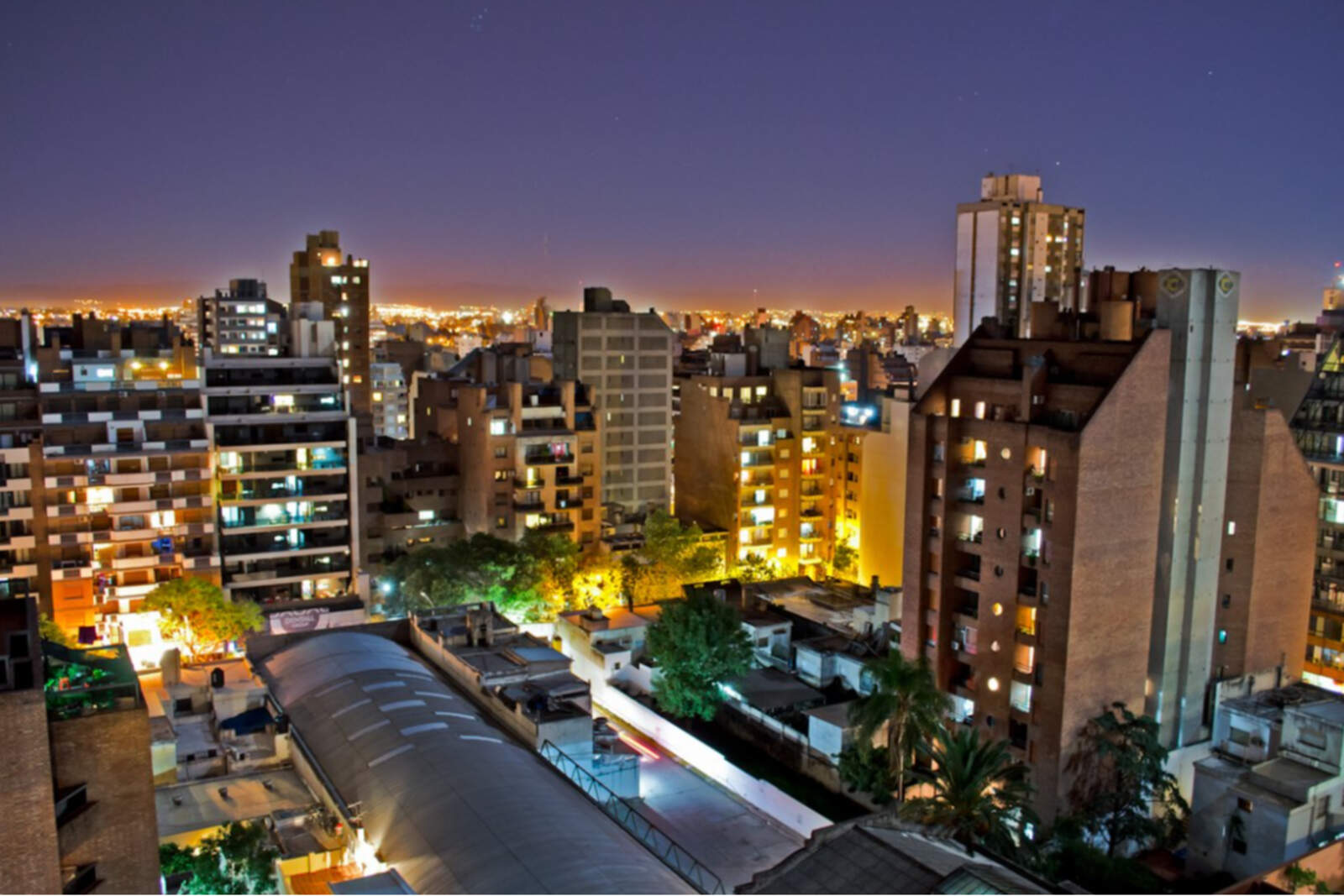
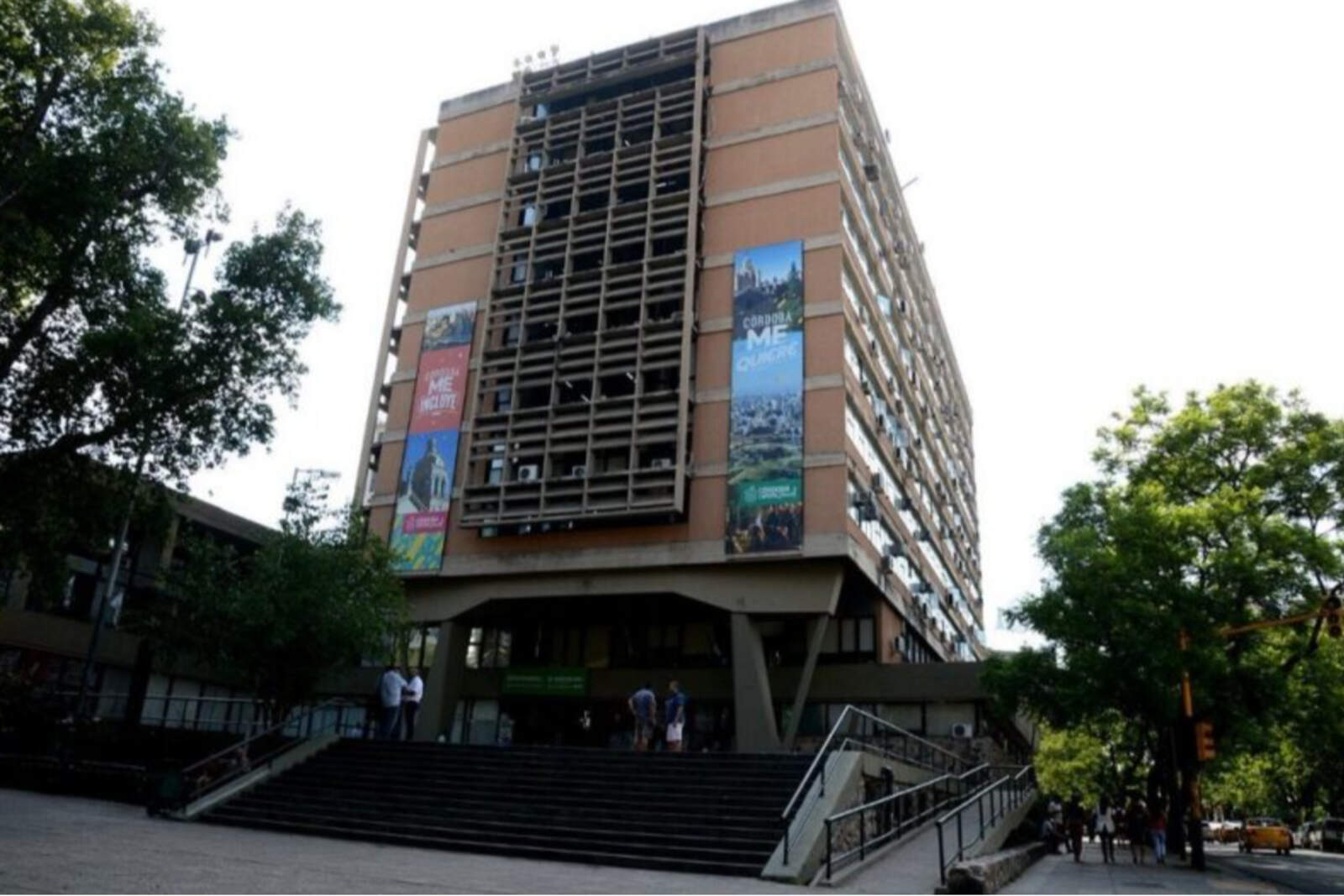
The Municipality has presented a new urban planning ordinance project with promises to regenerate areas and halt expansion toward the outskirts. The file has already been submitted to the City Council and proposes to change the urban growth model without specifying deadlines or those responsible. What is presented as "planning" is, in many respects, a blank check for future administrations.
The text contains 68 articles and replaces regulations that had been in force for years, without making clear what problems were solved or what errors were corrected. It proposes a flexible structure that allows for intervention in neighborhoods, corridors, and zones with criteria that are difficult to monitor. The concepts it introduces—such as regeneration or densification—lack operational definitions and are left at the mercy of political discretion.
Since 1985, these legal frameworks hadn't been updated, but this proposal doesn't seem to fill that gap with technical solidity but rather with ambitious phrases. The risk is that urban fragmentation will be enabled under the guise of citizen participation. Meanwhile, expansion continues into areas where the State can't even guarantee basic services today.
La Municipalidad presentó el nuevo proyecto de ordenanza urbanística
Planning tailored to political power
The project creates urban planning instruments that will be designed by the Executive, although it includes hearings that could be merely symbolic. Citizen participation is mentioned as a principle, but without ensuring binding mechanisms to prevent unilateral decisions. One thing is to debate, and quite another is for the municipal government to always have the final say.
There is talk of interjurisdictional, zonal, neighborhood, and even environmental regeneration urban plans, but without funding or clear criteria. These plans will be approved by ordinance only if they involve regulatory changes, which leaves room to operate without much oversight. With an overburdened municipal government, it's not clear who will implement these proposals or with what budget.Córdoba needs a long-term urban planning vision, not more paperwork with technical names and no real feasibility. If the population density multiplies without improving infrastructure, the result will be more chaos. The regulation seems more interested in enabling potential business opportunities than in ensuring an orderly urban life.
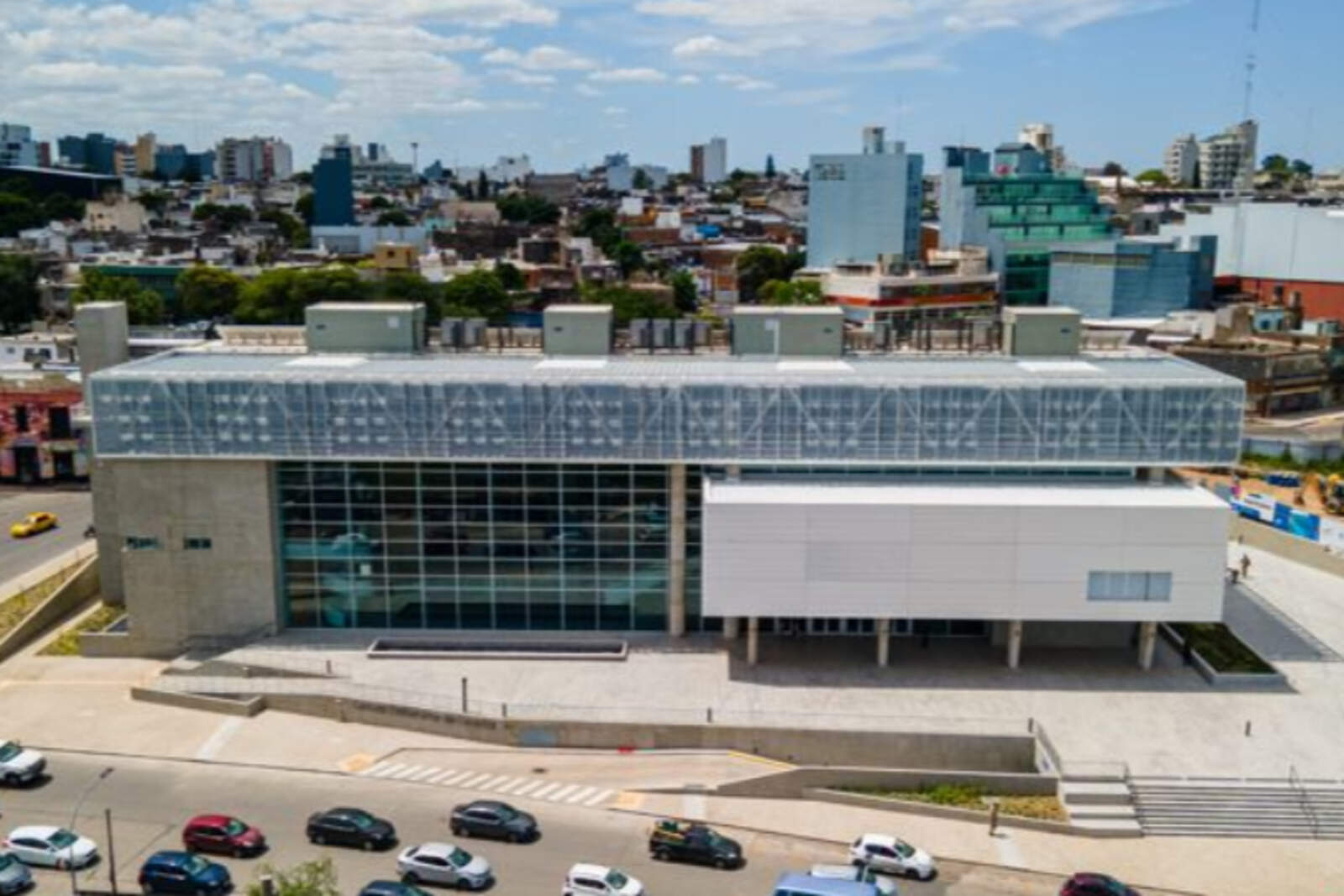
El proyecto que debate el Concejo propone densificar Córdoba sin plan claro
Agreements with private parties: progress or privilege?
One of the project's core elements lies in the so-called coordination instruments between the municipality and private parties. Under this scheme, urban planning agreements are reformulated and the Coordinated Action Zones (PAC) are introduced. The idea is to add private actors to changes in regulations, height, or uses, in exchange for financial contributions to the State.
The risk is evident: the flexibilization of rules is institutionalized according to the weight of each investor. Although a public hearing and a minimum of 10% state participation in the valuation are required, this doesn't prevent discretionary decisions. Furthermore, the percentage rises to 15% only in deferred zones, which reinforces an unequal and low-transparency system.
"The resources caused will be allocated to infrastructure within the zone," the text promises, without mentioning how their application will be monitored. Questions arise about what will happen if this is not fulfilled or who will assess whether the investment improves the environment or only increases the private party's capital gains. What is presented as innovation may end up as privileges disguised as planning.
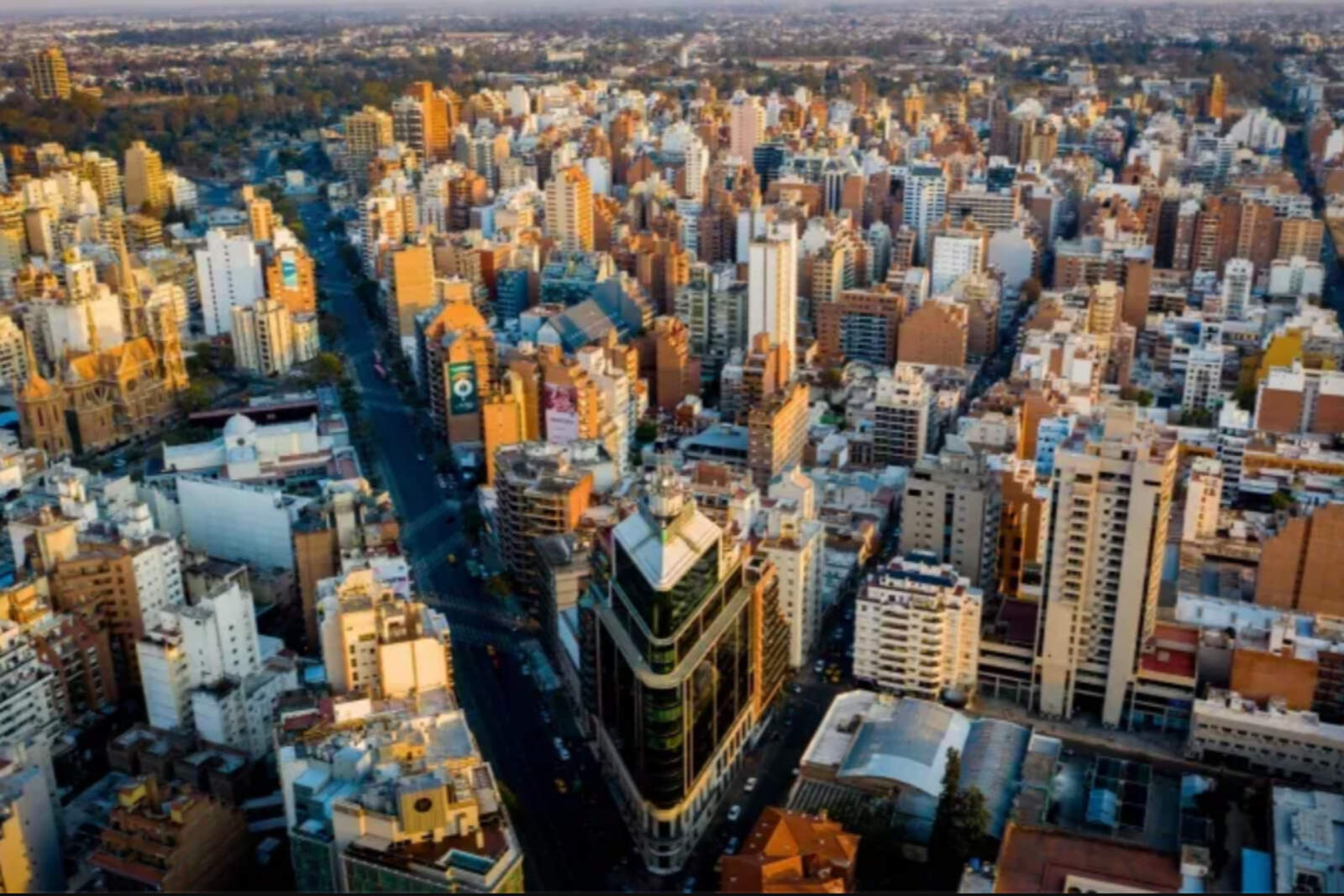
La densidad poblacional en la ciudad podría multiplicarse sin una mejora en la infraestructura
Sustainability: a green flag with no real anchor
The third section of the project creates instruments to promote environmental criteria in urban developments. These are presented as tools to reduce urban heat, improve energy efficiency, and promote sustainable mobility. However, in practice, they don't increase density or buildable area, nor are they accompanied by real incentives.
The "sustainable equipment" category requires more than 1,000 m² (10,764 square feet) for its application, something that excludes hundreds of small projects. "Green parcel" and "sustainable block" highlight the expansion of the environmentalist agenda so strongly promoted by Daniel Passerini. There are no details on how monitoring will be carried out or what penalties those who fail to comply will face.
The CEPT (Transferable Potential Buildability Certificate) is also incorporated, to transfer building capacity between areas. The concept is interesting, but if poorly applied, it can promote infrastructure overload where saturation already exists. Once again, the municipality reserves authority without showing real capacity to exercise it.
Daniel Passerini, intendente de Córdoba, que busca limitar su expansión terrotorial
The debate is just beginning, but doubts already exist
The project hasn't yet begun its in-depth discussion, but the general tone of the ruling party is one of promotion, not openness to change. Opposition councilors are waiting for Urban Development officials to present their case before defining their position. Even so, there is a certain resignation: few believe there is room to reject a plan that the PJ has already decided to push forward.
From the Executive, they claim that this regulation will allow for a "more compact and sustainable" city, although they don't detail how they will prevent overcrowding. Córdoba has areas with collapsed services and others that are abandoned: densifying without order can worsen both problems. Promising clear rules without the capacity for oversight only fuels citizen frustration.
To densify a city means to increase the population and building density in an existing urban area. Instead of expanding horizontally, the city develops vertically, concentrating more inhabitants and activities in the same space. This significantly increases the potential risk of overcrowding in the city.
The new code is not a roadmap, but a flexible map that political power can use according to its interests. In urban planning, ambiguity is not a virtue: it's the prelude to chaos or to the hidden business of friendly entrepreneurs. The debate is just beginning, but Passerini interprets that to govern is not to populate, but to overcrowd.