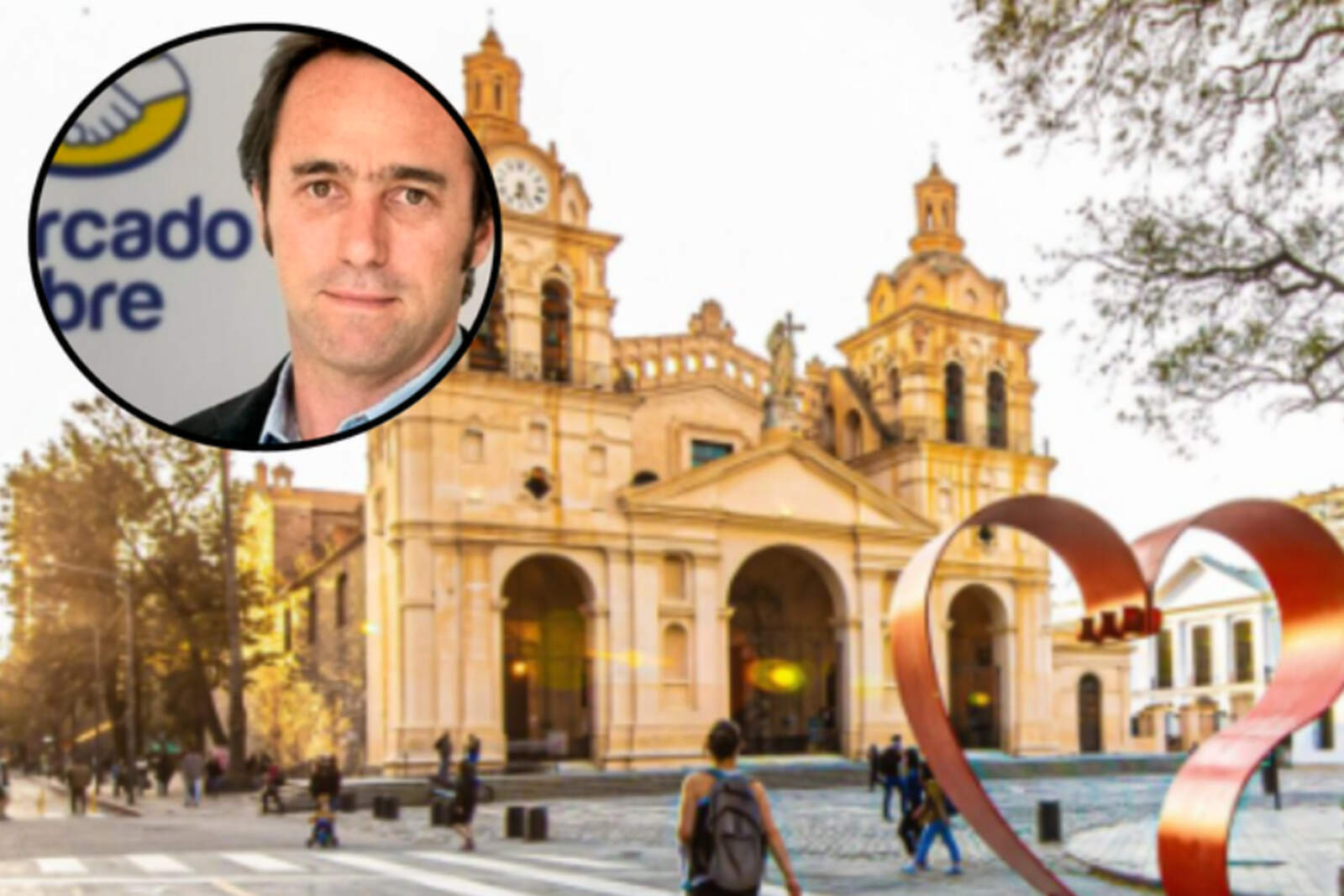











The municipality charges as if Córdoba were Silicon Valley, but provides third-rate services. Neither the traffic, nor the lighting, nor the condition of the streets justify the millions demanded by the Municipality. The tax pressure is disproportionate, but this doesn't translate into improvements for residents or companies.
In addition, the lack of dialogue was another of Mercado Libre's complaints, which for months sought alternatives with local authorities. There was no progress or willingness to correct the confiscatory tariff structure. The city loses opportunities, but the mayor seems more interested in staging performances than in solving real problems.

Productive Córdoba pays the price for political improvisation
The mayors demanded a fair distribution of resources, VAT, and the municipal tax regime. However, in Córdoba, the problem is not the Nation, but the Kirchnerist fiscal model promoted by Passerini. The exodus of companies is not a future threat: it is already happening.
The Mercado Libre case should be seen as a warning of what is to come if the course is not changed. The city has already lost a site with more than a thousand jobs because of a revenue-driven, anti-business policy. If there is no immediate reconsideration, other companies will follow the same path.
Córdoba can't choose between growth or following Passerini: these are incompatible paths. The current tax policy destroys private employment and jeopardizes the city's economic future. Meanwhile, the mayor parades through Congress looking for others to blame, when the real problem is at Palacio 6 de Julio.