The approved project reduces the scope of action for civil society in criminal cases
Nuevo
Agregar La Derecha Diario en
Compartir:
Pedro Sánchez's socialist government approved a sweeping judicial reform on Tuesday that places the direction of criminal investigations in the hands of the Prosecutor's Office, a body dependent on the Executive. This is the new Criminal Procedure Bill, which also limits the role of popular prosecution and will be sent to Congress for consideration. It will come into force on January 1, 2028, without affecting cases currently underway.
The Minister of the Presidency, Justice, and Relations with the Courts, Félix Bolaños, praised the initiative as a "modernization of the criminal process" and stated that it seeks to "Europeanize" the judicial system. However, the opposition and much of the judiciary see it as an attempt to politically control the justice system.
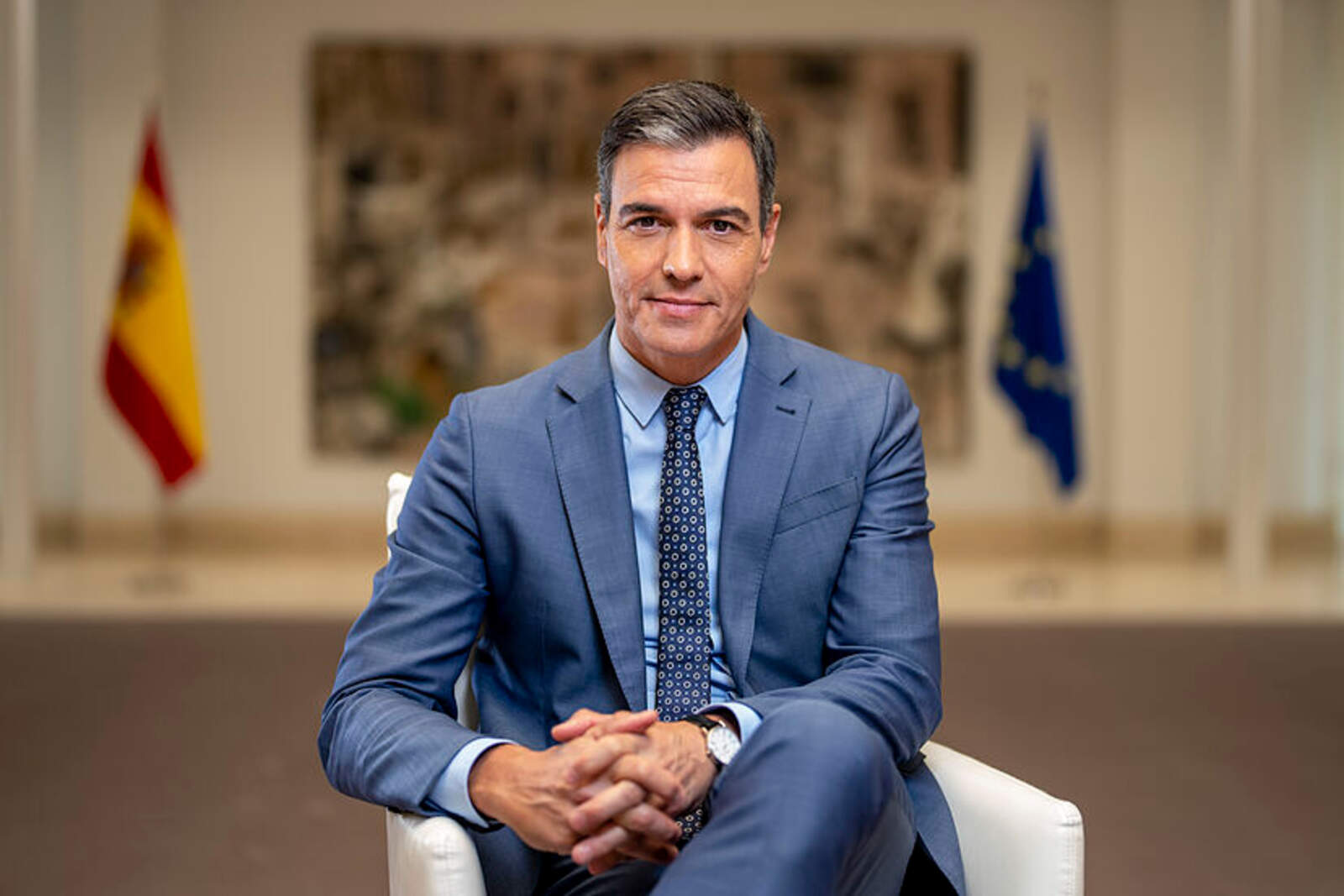
Pedro Sanchéz.
With the new regulation, the Public Prosecutor's Office will be responsible for conducting investigations, while a "guarantee judge" will oversee procedural aspects and the protection of essential rights. Two other judges will intervene in the trial and sentencing stages. According to Bolaños, the measure will streamline proceedings and strengthen the guarantees of defendants and victims, but critics argue the opposite.
The most controversial point is the limitation of popular prosecution, which will prevent its exercise by political parties, unions, and public entities, allowing it only for individuals with a "legitimate interest." For the government, this prevents "spurious purposes"; for the opposition, it is a maneuver to restrict citizen oversight of abuses of power.
The reform comes in a context of extreme tension: the Attorney General, Álvaro García Ortiz, will be tried in November for disclosure of secrets, which heightens suspicions about the Executive's real intentions.
Among judges, the division is deep. The president of the Professional Association of the Judiciary, María Jesús del Barco, warned that prosecutors "do not have the necessary independence" and that this reform "puts the balance of powers at risk." By contrast, the Progressive Union of Prosecutors, close to the government, supported the measure, calling it a "democratic advance."
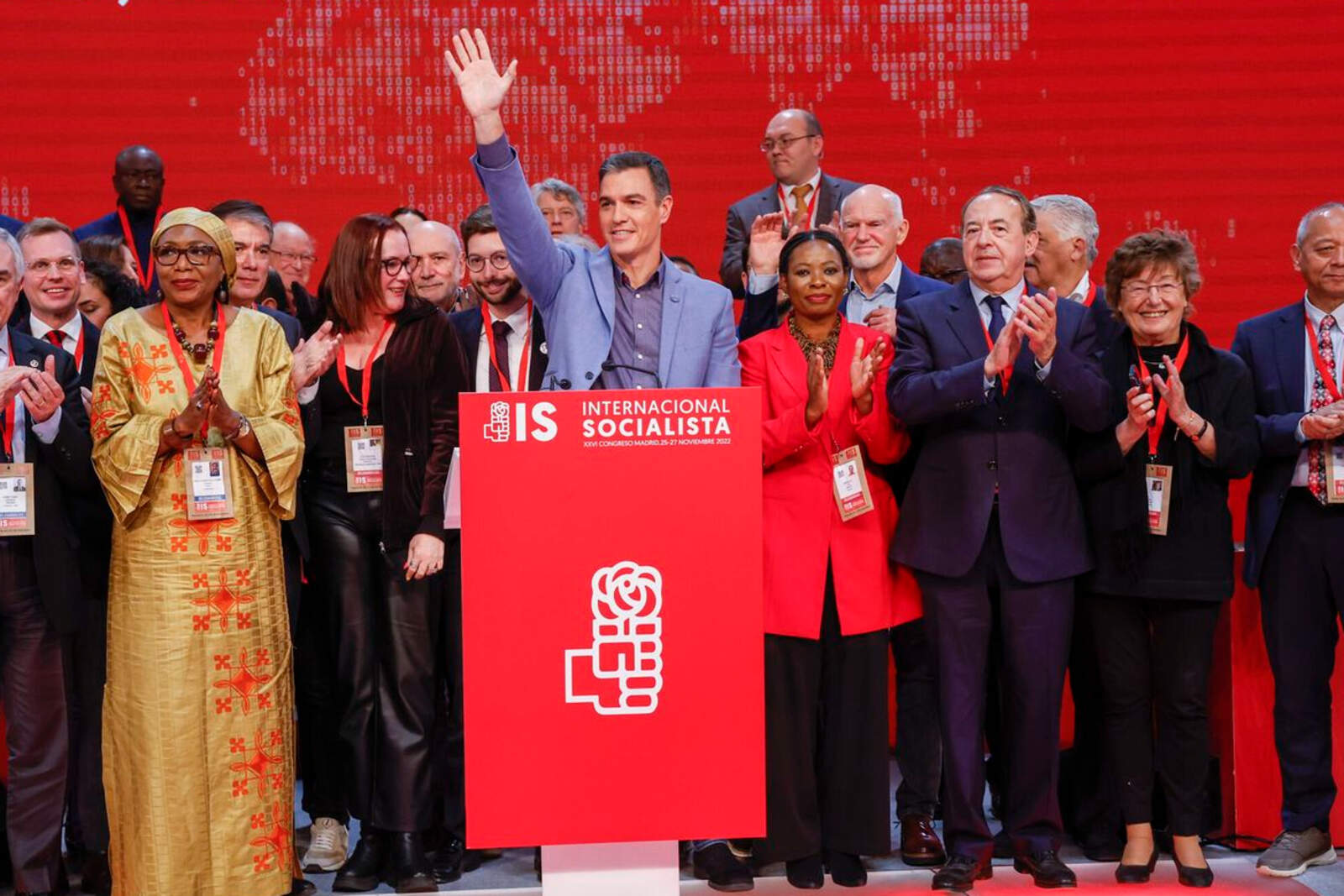
Pedro Sanchéz en la Internacional Socialista.
Meanwhile, Moncloa presents it as a "European reform," but in practice it represents a structural change that shifts investigative power from independent judges to prosecutors under political hierarchy. Another step by Spanish socialism toward institutional concentration and the erosion of the rule of law.