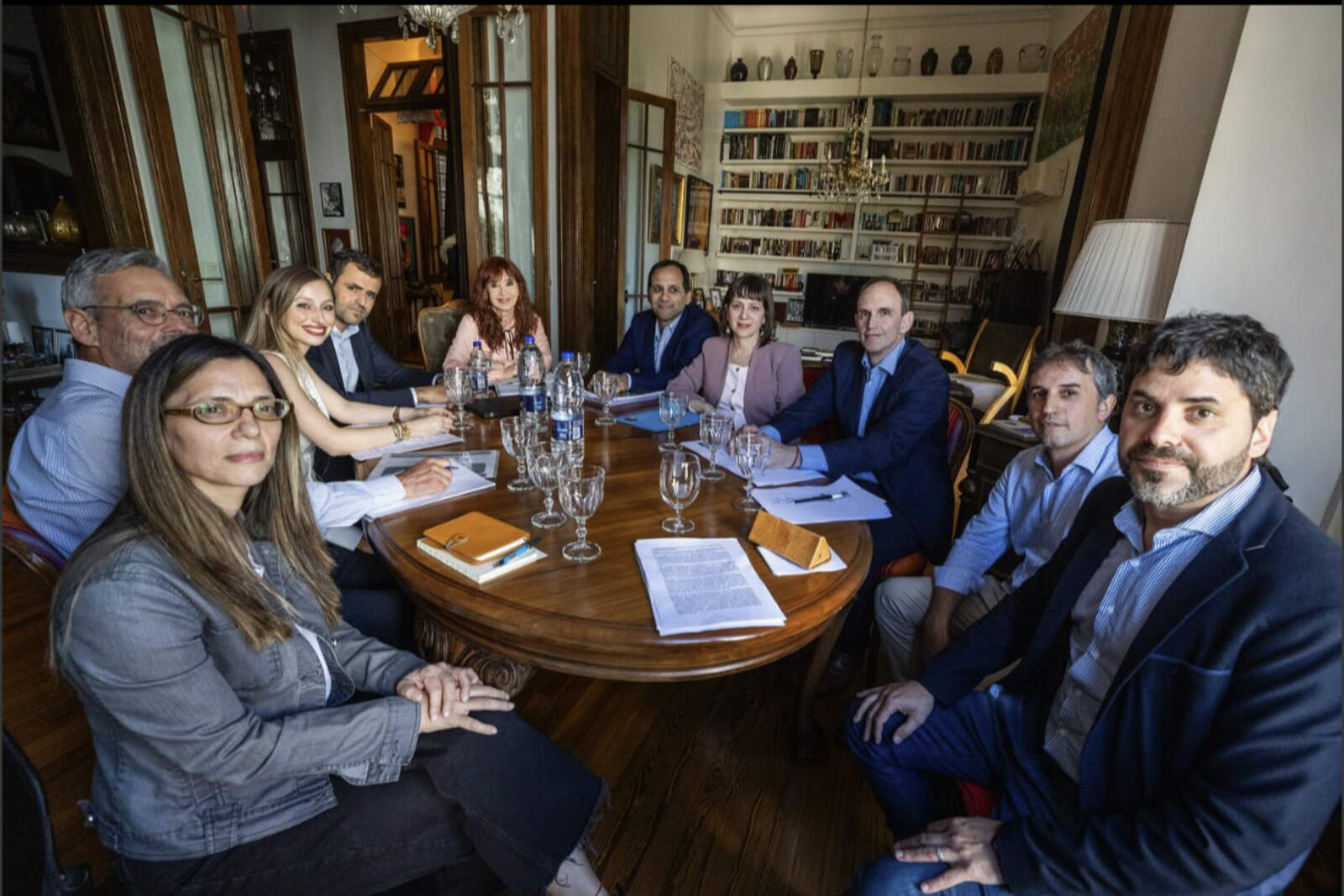

While the National Government seeks to modernize the labor market, Peronism has once again decided to go against Argentine workers and present its own proposal.
They call it "progressive," "modern," and "expansive of rights," but in reality, it is a reissue of the same scheme that left the country with half of its workers in the informal sector.
The draft of the proposal includes:
- Reduction of the workday to six hours
- Right to digital disconnection
- Extension of maternity and paternity leave
- Mandatory participation in the income tax regime
- A general regulatory framework for platform work and the creation of joint safety and hygiene committees.
All at once, a true delusion that seeks to place a burden on the shoulders of companies that exist and those that have not yet been created but are observing investment opportunities.
The proposal comes with a central contradiction: they claim to agree with the diagnosis regarding informality, but flatly reject any flexibility. "We must not lower standards," they repeat, as if adding obstacles, costs, and permits would raise anything at all.
The country finds itself in informality and Peronism's response is more regulation
Peronism insists that labor problems are not related to the obvious costs or risks of hiring, but to an alleged "lack of conditions for production." However, its recipe for improving those conditions consists of more leave, more controls, more state intervention, and more rigidity.
Supporters of the proposal even go back to Kirchnerism. They claim that "with Cristina there was full employment and high salaries in dollars." They say nothing about the explosive public spending, the lag in utility rates, the contained inflation, or the subsidy spree that ended in the subsequent crisis.