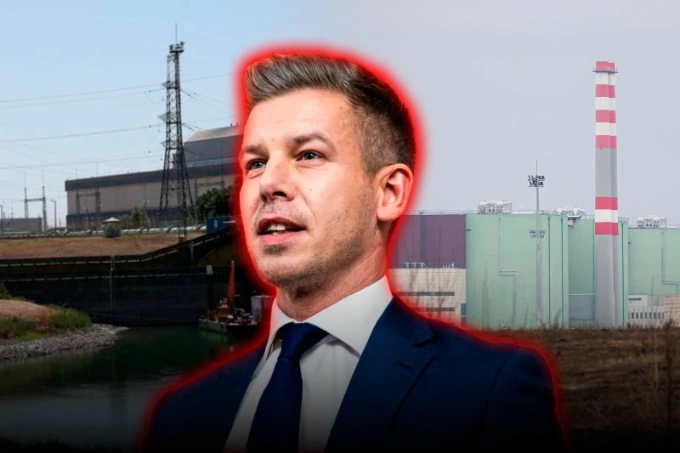
Hungary faces an unprecedented energy crisis after the leftist Prime Minister Peter Magyar ordered the shutdown of the Paks nuclear power plant, the only one in the country and responsible for nearly 40% of the annual electricity production.
The measure, adopted just a few months after taking office, marks the first time in 44 years that the plant has completely ceased operations.
The announcement was made this Sunday, August 2, 2026, when the leftist leader communicated that the decision: "The plant's output will drop to only 240 megawatts, and it will be completely shut down tomorrow for the first time in 44 years", he added.
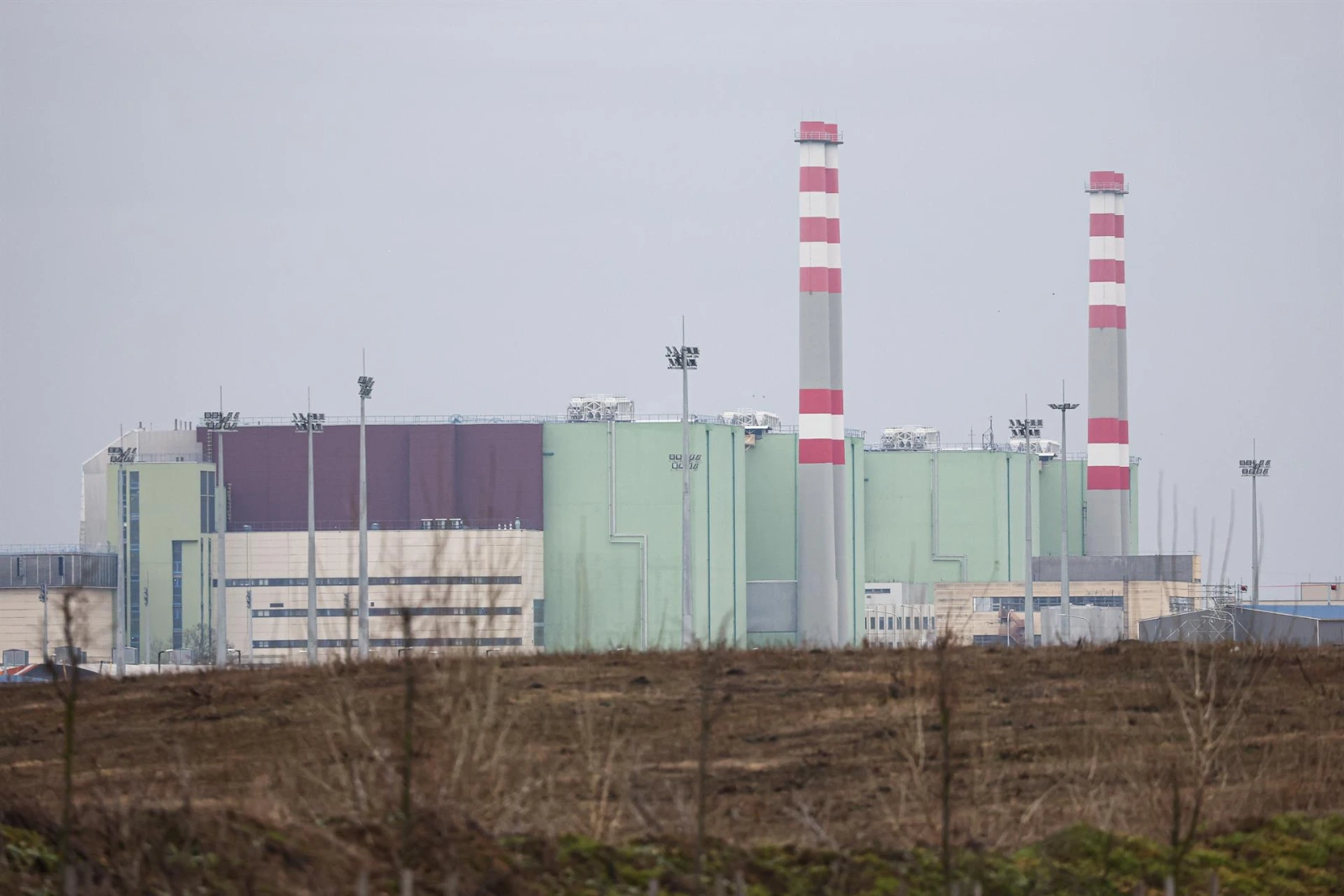
The Paks Nuclear Power Plant
The Paks plant, located about 100 kilometers south of Budapest, operates with four reactors of Soviet-era technology.
Consumption Restrictions
In this context, the leftist government has moved forward with measures that include restrictions on electricity consumption. Magyar confirmed that his cabinet will issue a decree requesting large users to "voluntarily" reduce their demand. "Households will be the last in the chain of restrictions", assured the leader, who also ordered the turning off of non-essential lights in public buildings and the promotion of telecommuting during the upcoming week.
As a consequence, it is estimated that the crisis could entail a cost of between 300 and 600 million euros, due to the increase in the price of imported electricity and the decline in various production processes.
Among the first concrete measures, it was announced that starting Monday rail freight services will be suspended between 3:00 PM and 8:00 PM, with the aim of reducing energy demand during peak consumption times.
Peter Magyar
The shutdown of nuclear power plants in Europe responds to political agendas "environmentalist" and anti-nuclear ideologies pushed by leftist parties over the past decades.
In the case of Germany, the shutdown of its last nuclear plants took place in April 2023, historically driven by pressure from leftist parties.
The loss of nuclear energy, a clean and constant base electricity, has caused European economies to suffer greater vulnerability, price increases due to lower electricity generation, and crises, along with a collapse of the energy system during peak demand seasons.
Moreover, due to the intermittency of renewable sources and the lack of capacity, the gap left by nuclear plants has forced a temporary reliance on or the continued operation of coal and natural gas plants, undermining the supposed "environmentalist" goals of the proponents of the anti-nuclear agenda.