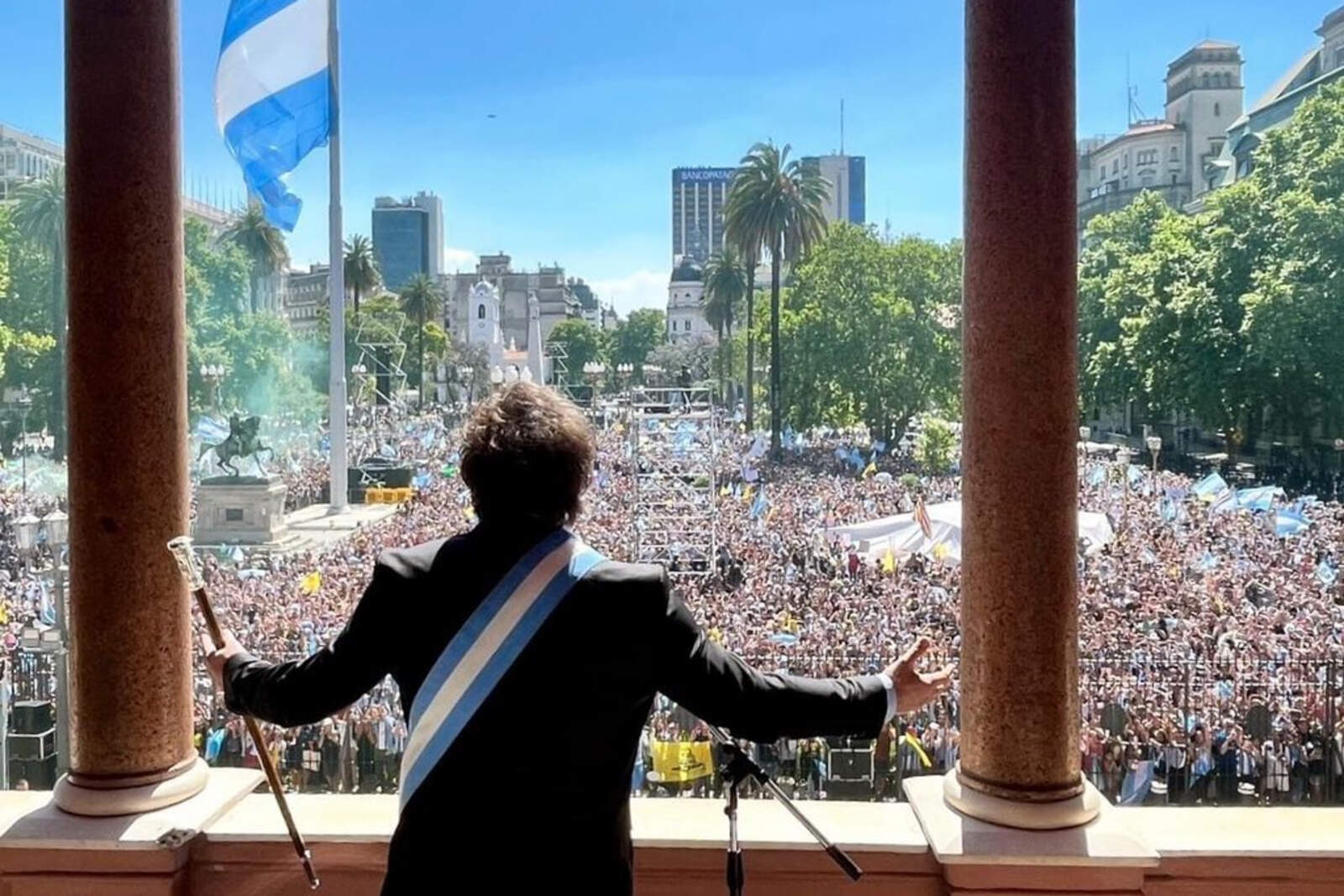
They said it was impossible. That the country would go up in flames, that the plan would not hold, that people would rebel. But eight months later, reality—that which can't be decreed or manipulated—demolished all the forecasts of the political and economic establishment: Argentines, acting freely, are putting the country back on its feet.
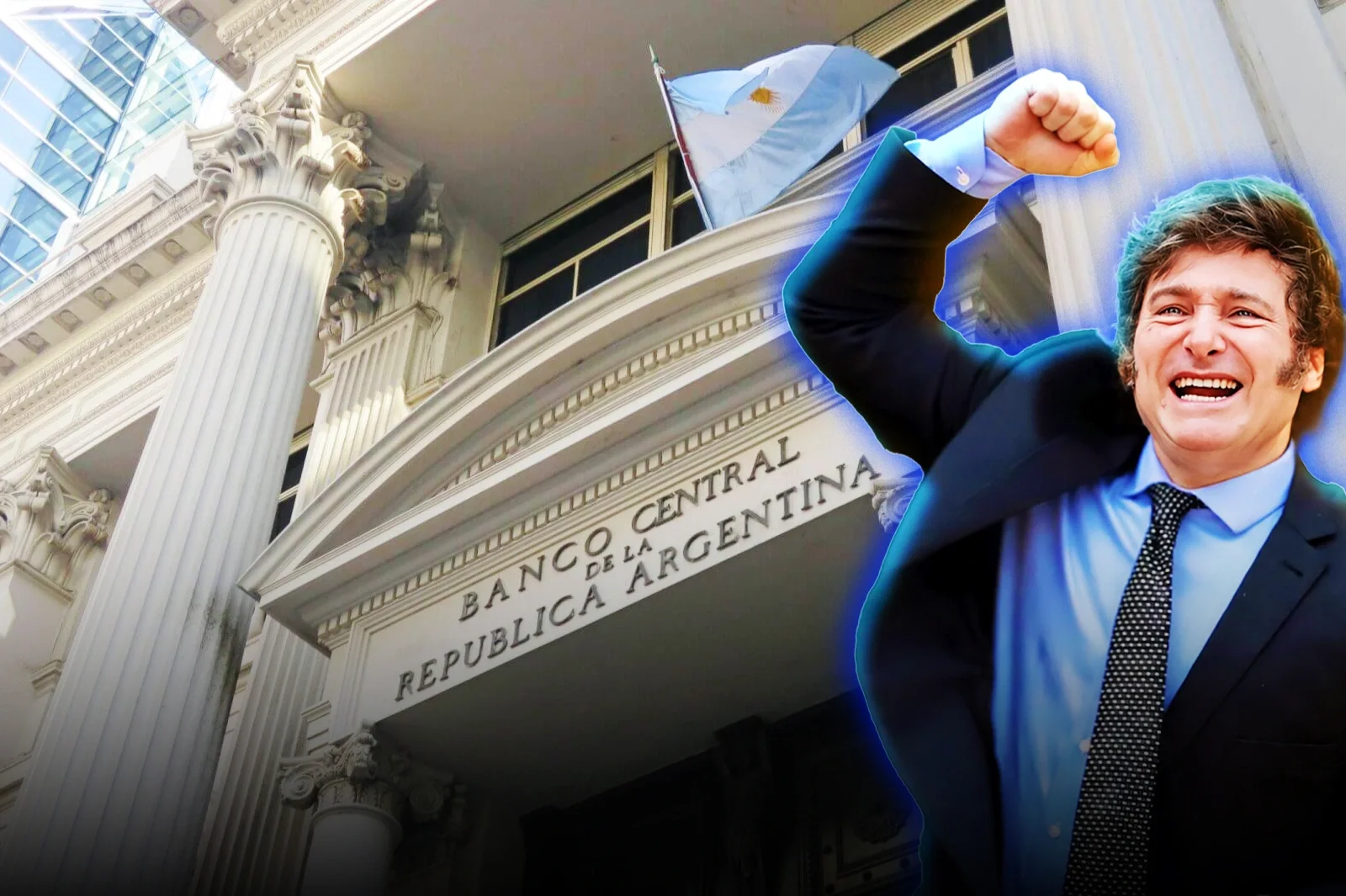
Without subsidies, without money printing, and without narratives, the facts speak for themselves. Banco Nación achieved an operating surplus of $521.4 billion because it returned to behaving like a bank, not like a political cashbox, competing and serving those who create value. Country risk fell to its lowest level in nine months, and agro-industrial exports grew by 21% in value, reaching almost 10 million tons. After 15 years of paralysis, the country started moving again because millions of people began to believe in their own work.
What made this change possible? Something as simple as it is powerful: a Government that decided to stop obstructing and allowed society to regain its initiative. Where there were once obstacles, today there is space for every Argentine to decide, undertake, and take risks according to their own goals. Individual action regained meaning because the State stopped interfering in every daily decision.
For decades, Argentina was held hostage by a culture of privilege. A political and union elite lived off the State, while the productive society bore the burden of their excesses. People confused rights with favors and justice with impunity. That system of rewarding cheating and punishing merit was the true cause of the country's backwardness.
Meanwhile, in the new Argentina, the case of Cristina Fernández de Kirchner, forced to return $1 billion she unduly collected from ANSES, symbolizes the change of era. Individual responsibility replaces political privilege. That is perhaps the most deep reform: ethics as a condition for progress.
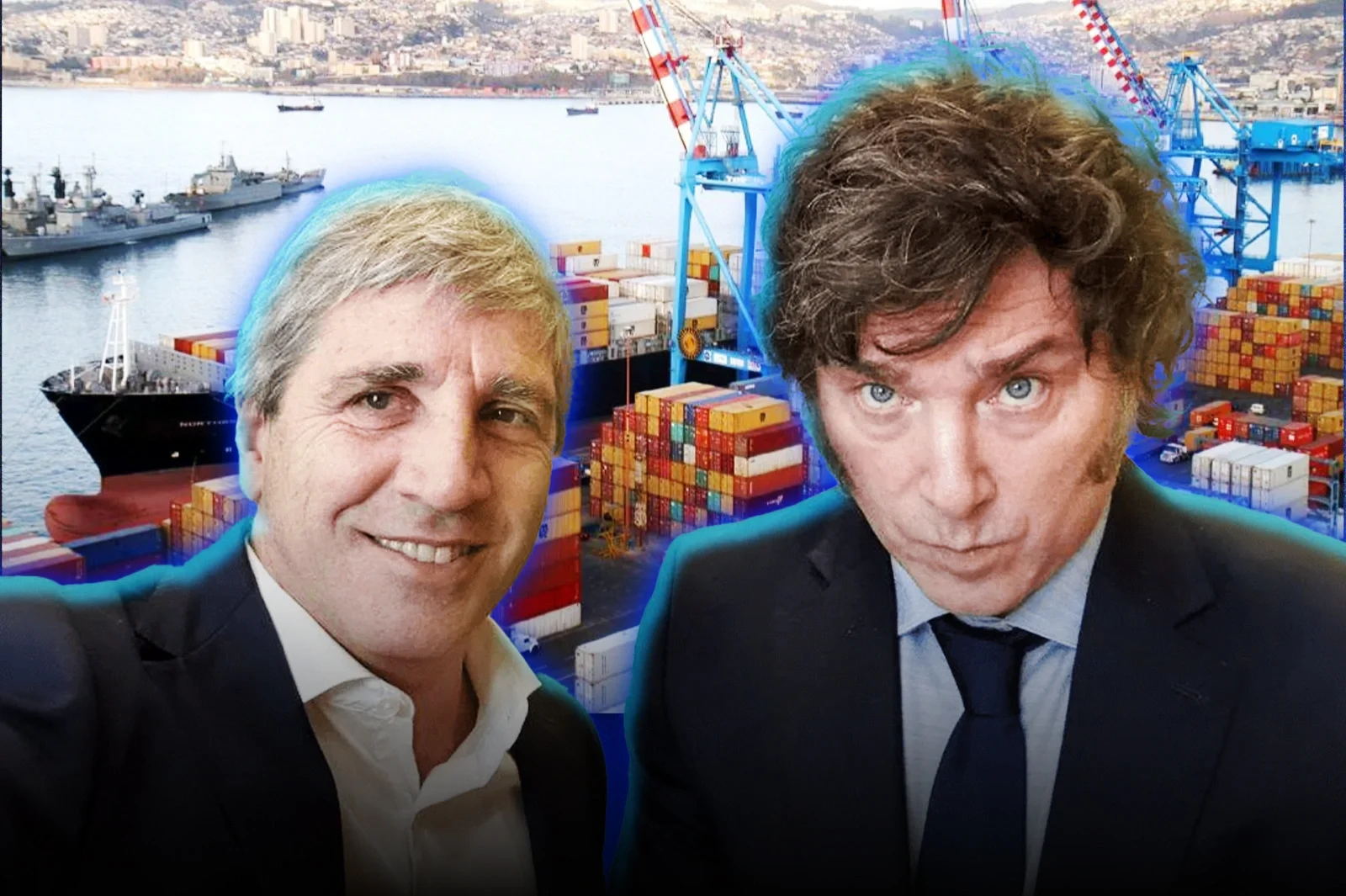
Meanwhile, while Congress bureaucrats cry over their privileges, Milei continues to shrink the State, investment grows, and confidence returns. In just one year, RIGI approved projects worth $24.8 billion, including a new port in Timbúes, Santa Fe, which will boost the waterway and the productive heart of the country. The Federal Concessions Network is also advancing, with more than 1,118 miles (1,800 km) of roads under private management: a paradigm shift that rewards efficiency and punishes waste.
It is no coincidence. It is the result of freeing human creativity from the state corset. Reforms are not an end in themselves, but a means for each person to build their own future. Modernizing laws, reducing taxes, and returning power to individuals is not ideology: it is recognizing that progress is born from free action, not from political mandates. Because the economy is not "planned": it is discovered through millions of human decisions that adjust to each other in pursuit of their own and others' well-being.
That's why the old structures react with fury. The Garrahan episode proves it: a socialist candidate used sick children to attack the Government. The response was simple: facts, not speeches. 60% salary increase and a full audit. It became clear who cares and who manipulates. The politics of emotional subsidies was exposed in the face of an administration that acts with judgment and responsibility.
In less than a year, the country that lived off the State began to live off its own work. Workshops are raising their shutters, trucks are on the road, SMEs are exporting, and the hope of a nation is reignited. The true revolution doesn't occur in ministries, but in every home, every business, or every field where someone decided to produce again.
Ultimately, when people are set free, no bureaucrat, no narrative, and no apparatus can stop the inevitable: the awakening of a society that regains confidence in itself. Productive Argentina is reborn from the ground up, driven by freedom, sustained by merit, and guided by a truth as old as it is forgotten: progress is not decreed; it is created.