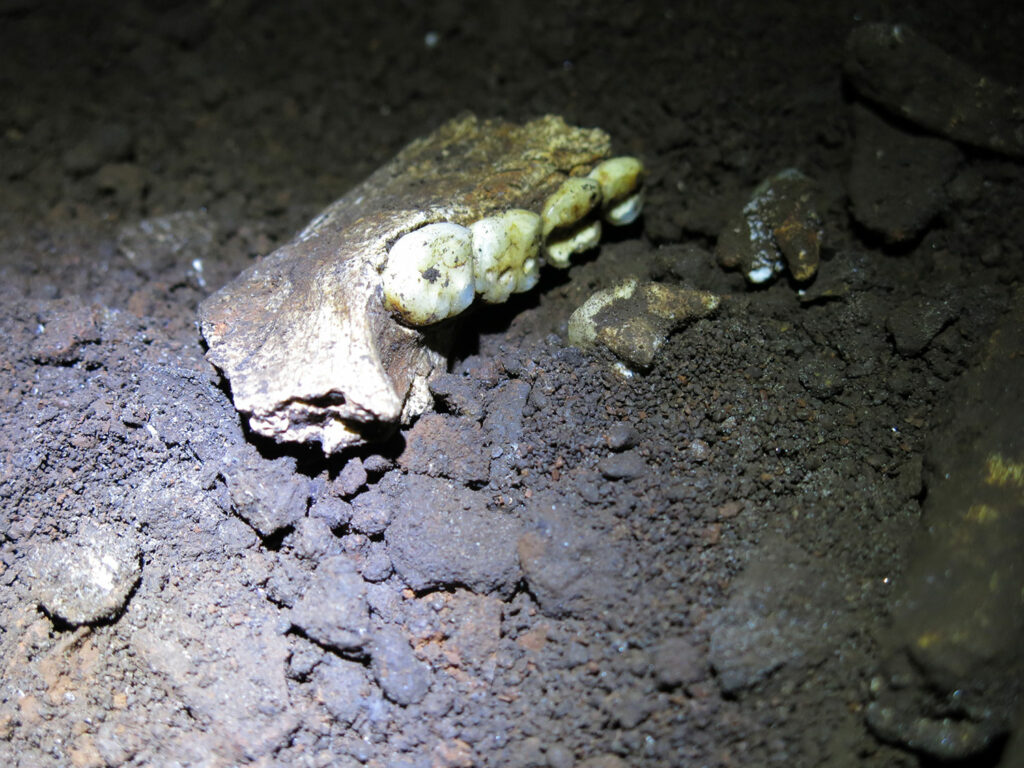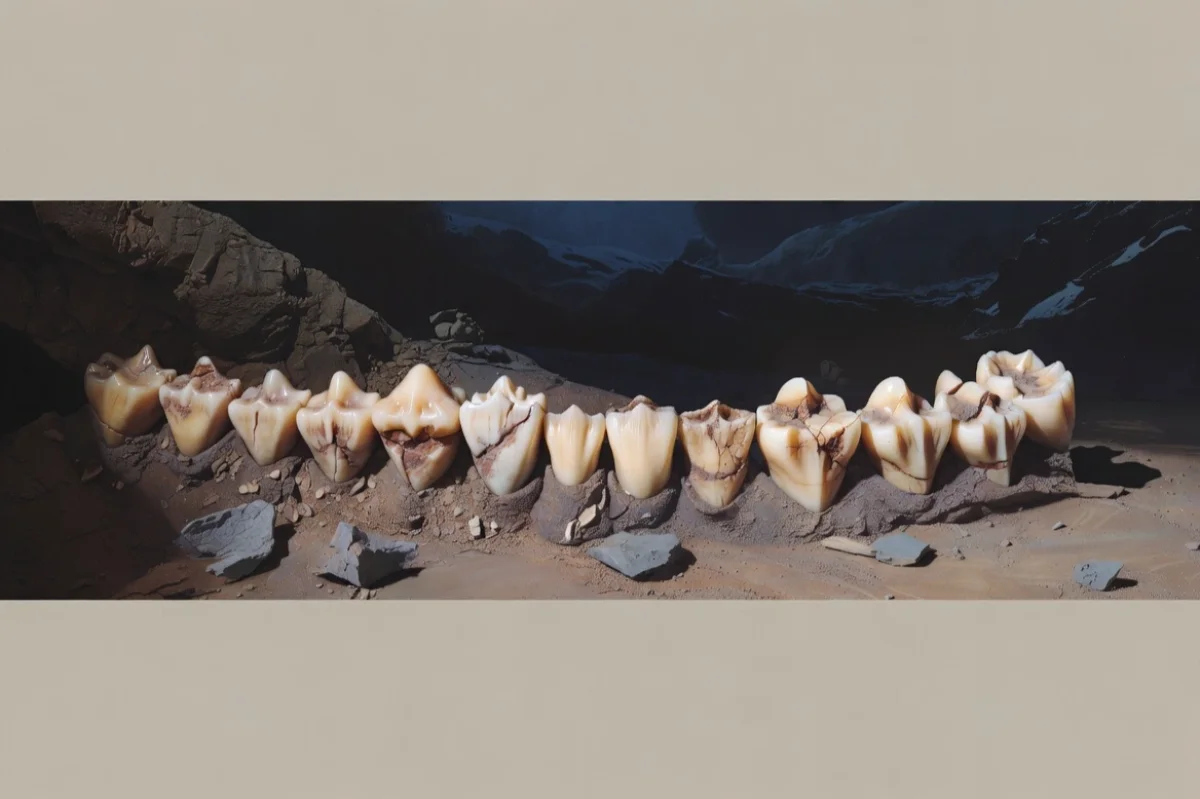

In Leipzig, Germany, a team of researchers managed to extract and analyze protein material from 20 teeth of Homo naledi, a hominid that lived about 300,000 years ago. The results were surprising: all the individuals to whom these teeth belonged were females, as they did not present a genetic variant found only in biological males.
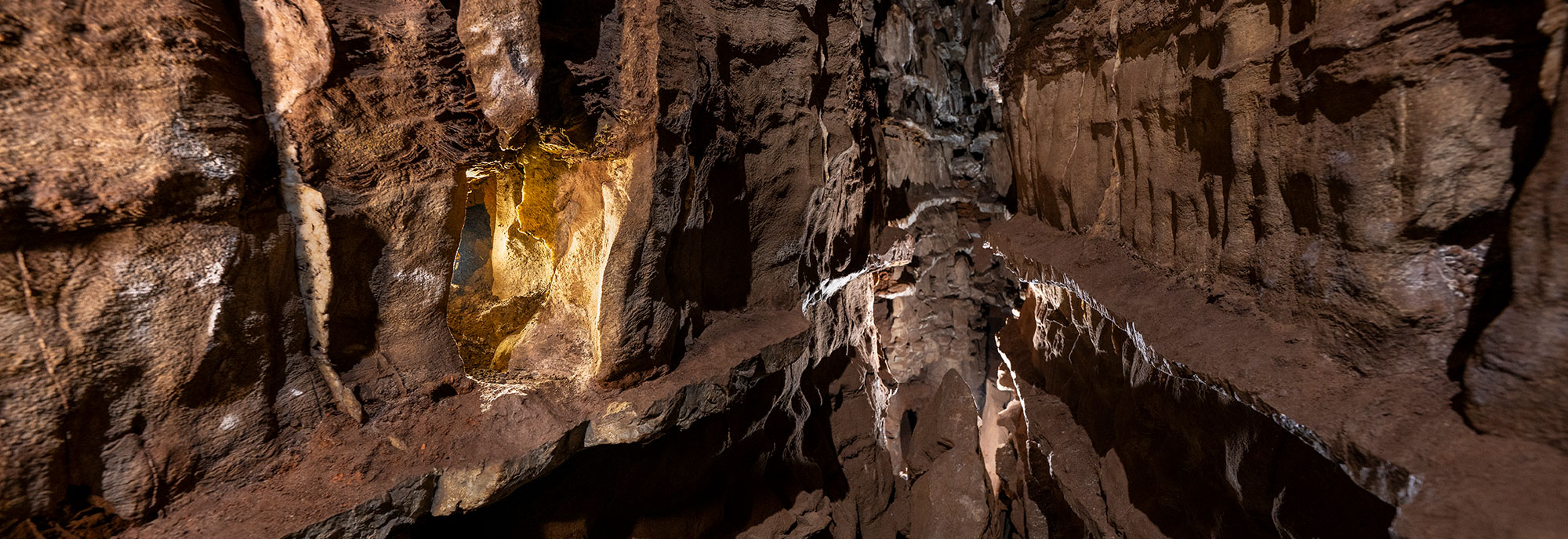
The fossils were discovered in 2013 in a remote chamber of the Rising Star cave system in South Africa. Lee Berger from the University of Witwatersrand and his team were responsible for the finding. The remains represent nearly two dozen individuals with small brains and upper bodies, but with faces, hands, and lower limbs more similar to those of modern humans.
Previously, Berger and his colleagues had proposed that these Homo naledi were intentionally buried in the cave. This idea sparked debate, as it was considered a complex behavior for hominids with brains of that size. Now, the new data strengthens that hypothesis.
Cultural Selection and Genetic Differences
“The most likely reason for these robust results is, in my opinion, cultural selection after death for burial by sex and perhaps gender,” Berger noted. This statement raises new questions about the cognitive and social capabilities of the species.
The proteomic analysis also revealed that Homo naledi shared a genetic variant related to collagen production with Paranthropus robustus, a human relative that lived in South Africa between one and two million years ago. It is still unclear how the two species were related.