

The Muslim leader Marwan Gill, president of the Ahmadiyya Muslim Community in Argentina and who studied theology in the United Kingdom, mocked a publication from La Derecha Diario in which he was quoted claiming that Islam "defends equality between men and women".
In response to this reaction, where he denies the serious crimes committed by his religion, we remind him of the practices, punishments, and policies of subjugation that affect millions of women in various countries and under organizations of that religion.
Gill's assertion contrasts with a reality marked by restrictions on rights, violence, forced marriages, and physical punishments. Therefore, it is necessary to recall some of the mechanisms outlined in traditional Islamic jurisprudence (sharia) and the severe consequences they have had for women.

The most severe punishments and practices of Islamic law
Among the most abhorrent practices are stoning, which consists of death by stoning as punishment for adultery; public flogging, applied for extramarital relations, alcohol consumption, or alleged moral offenses; and amputations of hands or feet for certain crimes.
There is also the death penalty for apostasy, that is, the murder of those who abandon Islam. This is compounded by the sexual slavery of captive women and child marriages, even before puberty.
Islamic countries with the most repressive policies against women
Afghanistan is one of the most notable cases under the Taliban regime. Women are prohibited from accessing secondary and university education, face job exclusions, impositions on the use of the veil, and restrictions on moving without male accompaniment. There are also reports of public flogging, torture, and child marriages and forced marriages.
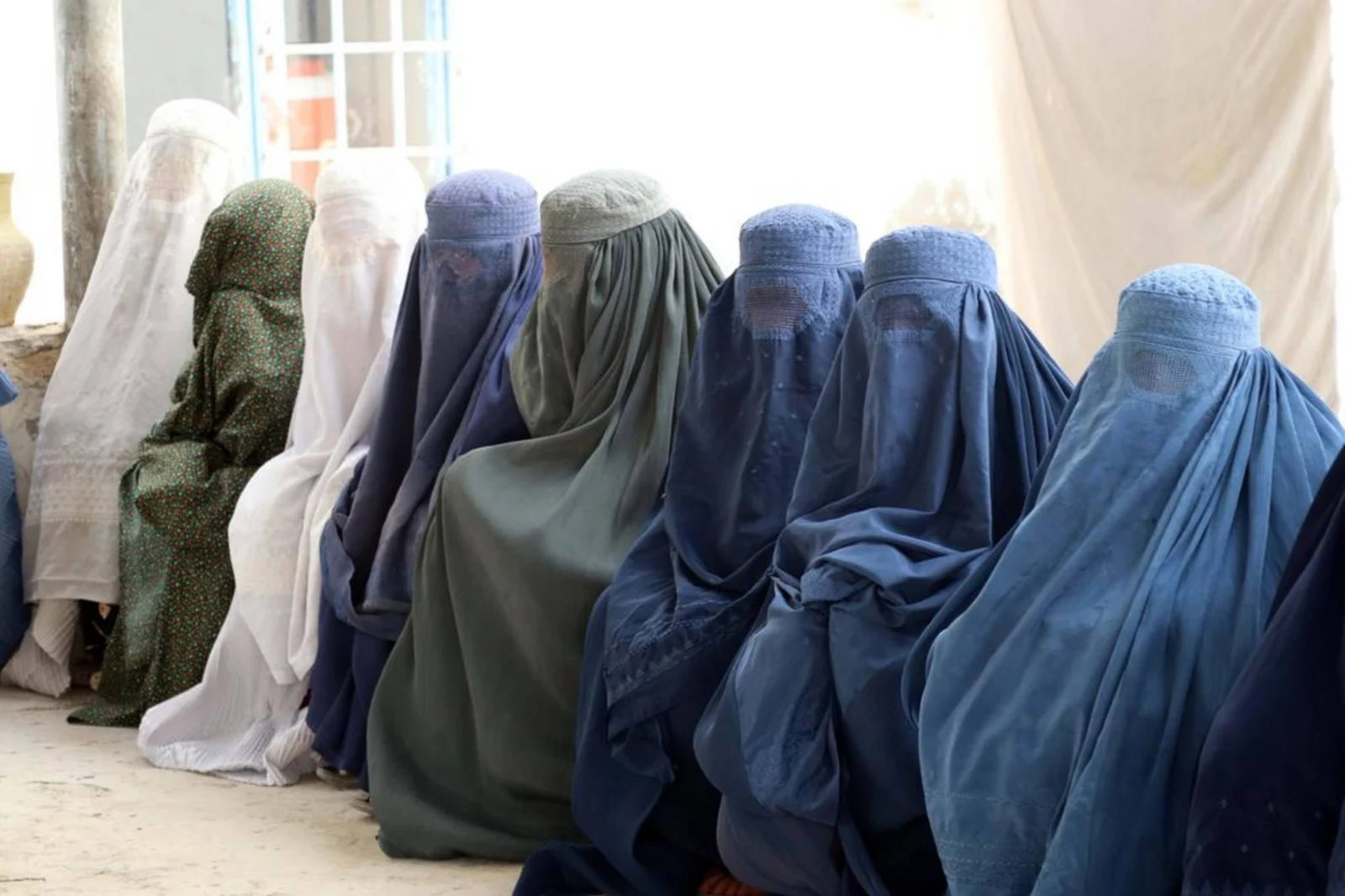
In Iran, the mandatory veil and the persecution by the morality police coexist with whippings, imprisonments, torture, and repression of protesters. Additionally, there are discriminations regarding marriage, divorce, and custody, while child marriages are legally permitted, even before the age of 13.