The Patagonian province held its 1st Gastronomic Identity Forum 'Origin and Evolution,' a key event to consolidate its culinary profile
Nuevo
Agregar La Derecha Diario en
Compartir:
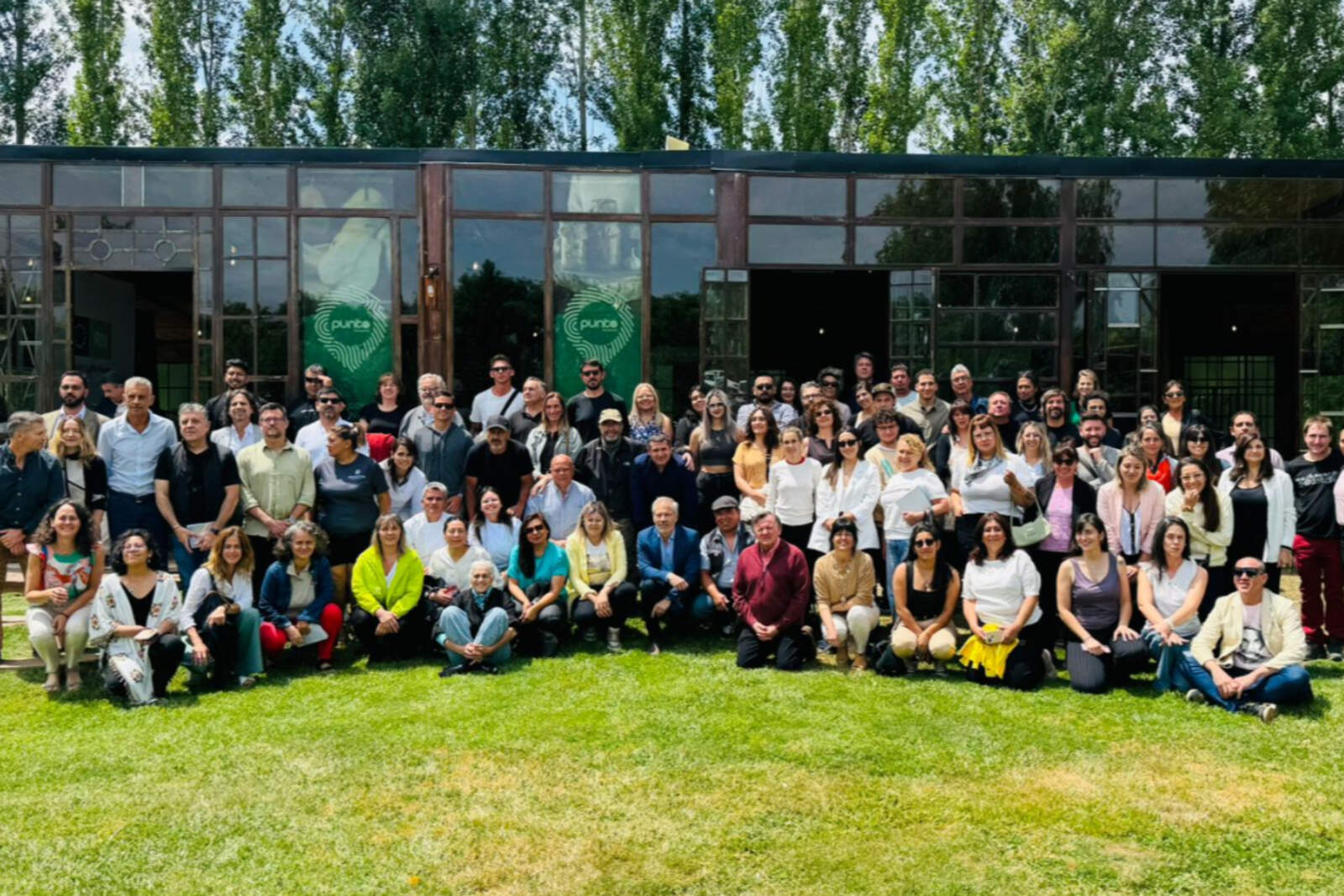
Río Negro experienced a significant moment with the First Gastronomic Identity Forum, a space that brought together producers, chefs, entrepreneurs, universities, small and medium-sized enterprises, chambers, and institutions related to tourism and culture. The objective: to deepen the construction of the territory's identity based on its foods, its productive diversity, and its traditional cuisines.
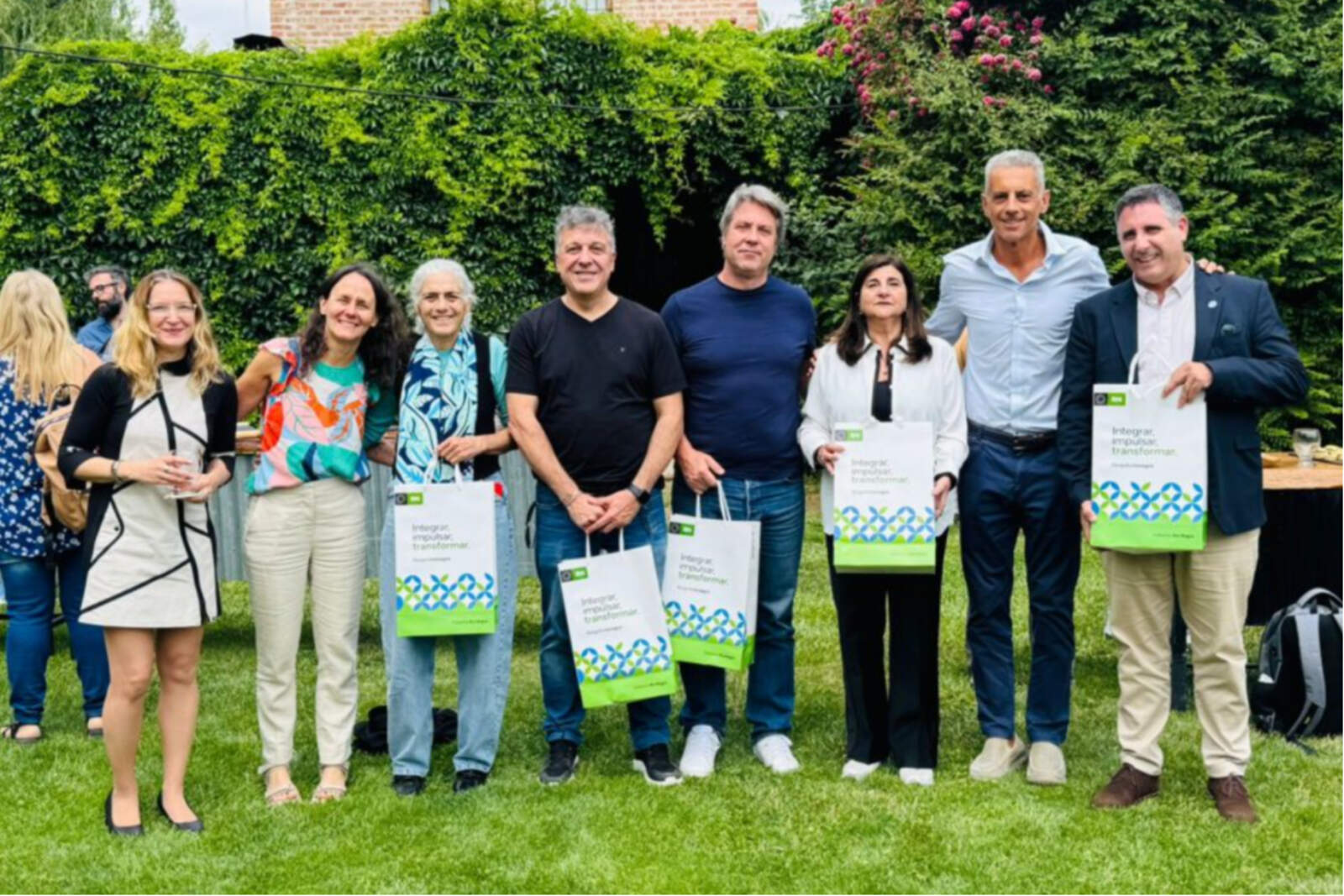
The province of Mendoza participated as a special guest, represented by Gabriela Testa, president of Ente Mendoza Turismo (Emetur), and the gastronomic entrepreneur Beatriz Barbera, who shared Mendoza's journey in terms of strategic planning, governance, and local product development.
Río Negro recognizes Mendoza's model as a national benchmark
The event, held in General Roca and organized by the Río Negro Economic Development Agency, was attended by the Minister of Economic and Productive Development, Carlos Banacloy, who emphasized the importance of building identity based on the territory.
Río Negro convocó a Mendoza para su Primer Foro de Identidad Gastronómica y destacó su modelo público-privado
"To talk about gastronomic identity is to talk about production, territory, and real opportunities," Banacloy stated. The official highlighted Mendoza's contribution and praised the provincial experience: "Mendoza has built exemplary governance in gastronomy, and its perspective enriches our path."
In the same vein, the Undersecretary of Promotion and Domestic Trade, Bettiana Gabilondo, welcomed the presence of the Mendoza guests and stated that for Río Negro it was an "immense" learning experience that will help strengthen a process that is just beginning, but that in Mendoza already has several years of history.
Mendoza's experience: a case of coordination and planning
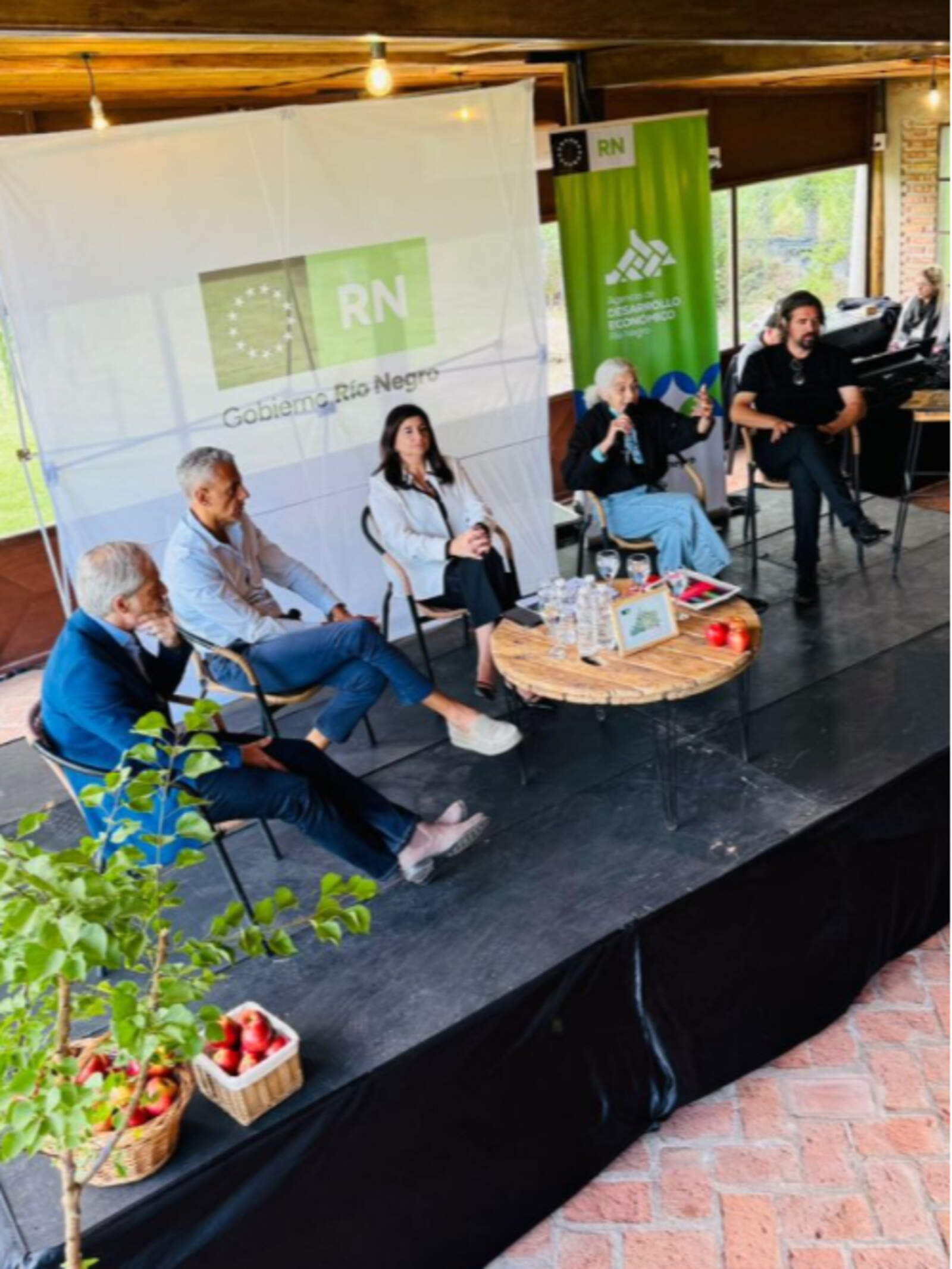
The main panel of the forum was titled "Strategic Plans for Regional Gastronomy: Coordination as a Tool for Identity Development," and included Testa, Barbera, ATUR's executive director Diego Piquín, and Minister Banacloy.
Testa highlighted the recognition Mendoza has received: "In gastronomic tourism, a few years ago, people looked to Peru and Mexico. Today, Mendoza is the reference, due to its work in planning, governance, and public-private coordination."
Río Negro convocó a Mendoza para su Primer Foro de Identidad Gastronómica y destacó su modelo público-privado
Meanwhile, Barbera provided a historical perspective on how the province consolidated its products and strengthened its culinary identity. She also emphasized that the DIGAM Plan, developed between the Mendoza Government and the private sector, was central to organizing the local gastronomic development strategy.
Revaluation of Río Negro's gastronomic heritage
The inaugural edition of the Río Negro forum replicated Mendoza's experience: working groups, inter-institutional coordination, and a strong emphasis on revaluing the cultural food heritage. During 2024, meetings were held with representatives of the National GustAr Program and with the areas of Culture, Tourism, and Agriculture, which made it possible to build conceptual and technical foundations to advance toward a unified gastronomic identity.
Banacloy stressed that consolidating this identity means recognizing the province's productive strength: "Our gastronomy is born in the farm, in the sea, in the wineries, and in the hands of our producers. It becomes culture, work, and development."
The exchange with Mendoza strengthened a federal and collaborative perspective, and made it clear that building gastronomic identity can become a driver of economic, tourism, and cultural development.