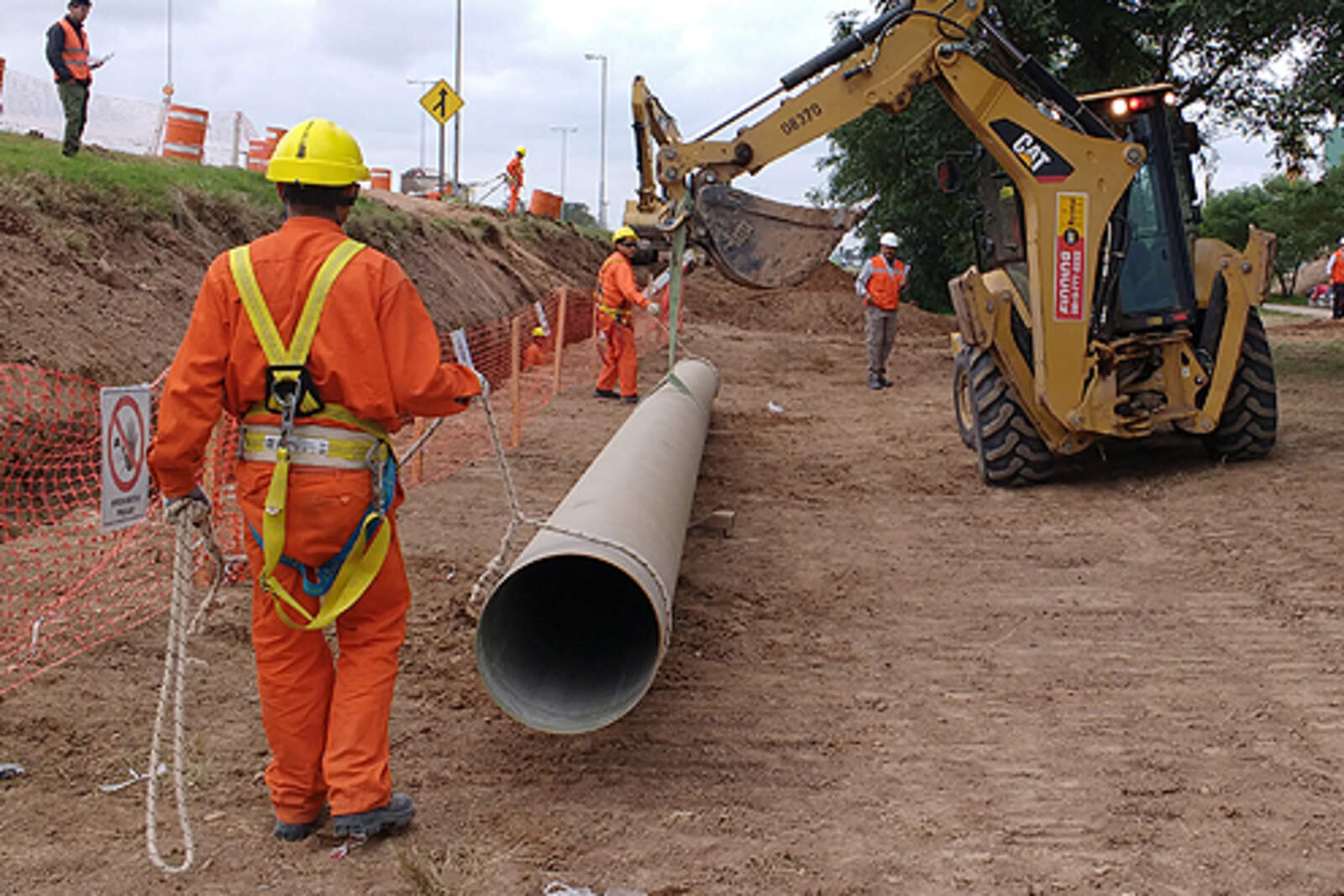
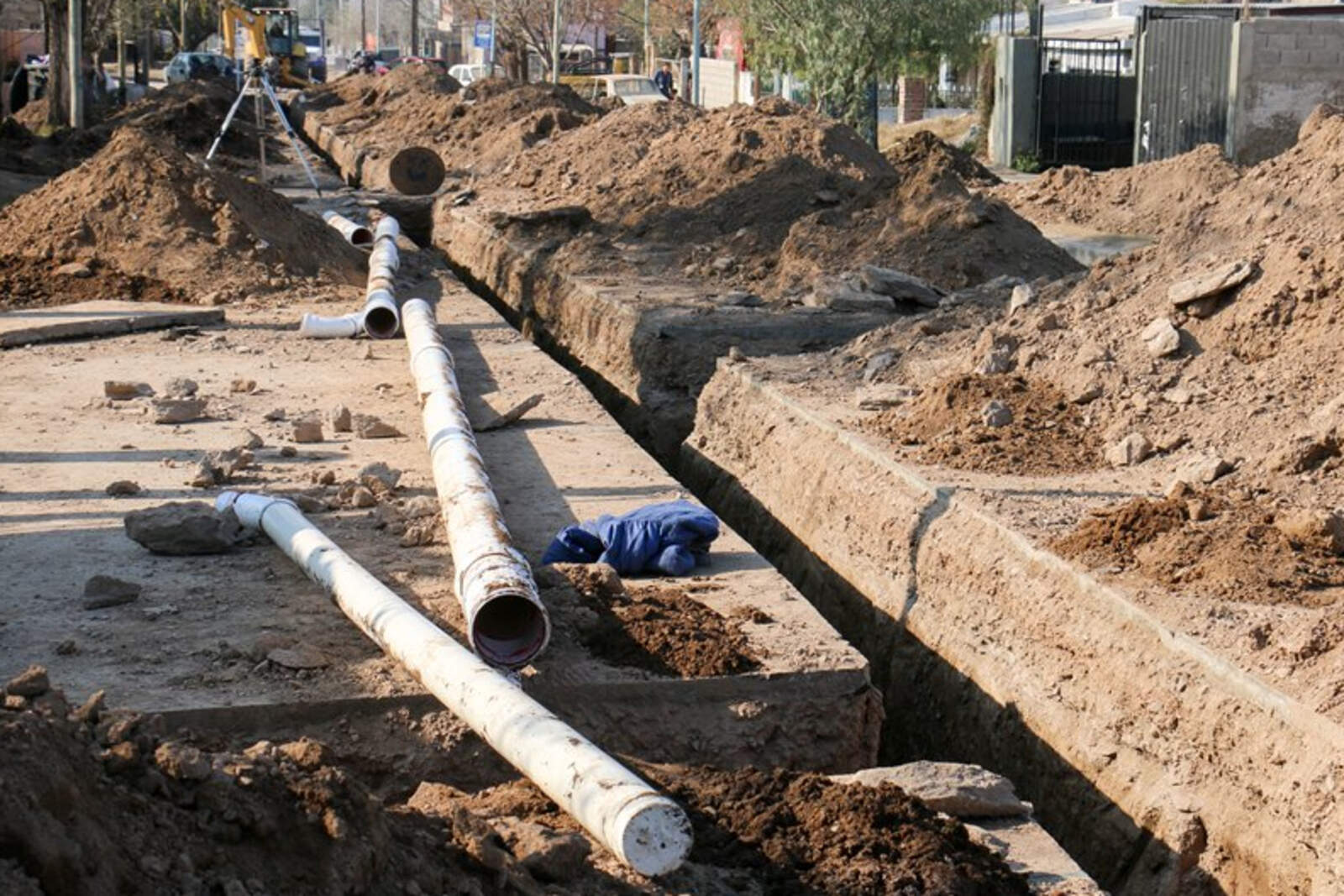
This is a debt with the National Entity for Water and Sanitation Works (Enohsa), which originated from funds for a sewer project carried out in the 1990s.
The Buenos Aires federal court ruled in favor of the municipality in a recent precautionary measure.
The loan of 4,651,112 dollars or pesos (during Convertibility) was requested in 1998 by the municipality to complete the sewer networks that the city still needed in order to provide that service in all its neighborhoods.
Ministry of Economy loan to Río Tercero
The loan was granted by the Ministry of Economy through Enohsa, a state but decentralized agency.
The dollars arrived in Córdoba and the works were completed.
When Río Tercero had paid about six installments of that loan, the peso was devalued during the 2001 crisis, after the end of Convertibility.
La Municipalidad de Río Tercero dejó de pagarle al Enohsa las cuotas del crédito esperanzada con una pesificación que nunca se produjo.
The municipality found it difficult to continue meeting the agreement, in dollar value. It stopped paying.
From 4 million to 25 million dollars
Thus, the debt of more than four million dollars rose to almost 25 million dollars.
Seven other municipalities in Córdoba and several more in the country were left in a similar situation with Enohsa.
Río Tercero Municipality stopped paying Enohsa the loan installments, hoping for a conversion to pesos that never happened, and as the years went by, the debt became unpayable.
La Municipalidad de Río Tercero dejó de pagarle al Enohsa las cuotas del crédito esperanzada con una pesificación que nunca se produjo.
Over the years, an agreement was sought with Enohsa, which Carlos Rojo's administration did not achieve. Then came the negotiations by the Radical governments of Luis Brouwer de Koning (eight years), Alberto Martino (another eight years), and Marcos Ferrer, who is serving his second term.
Finally, after the favorable precautionary measure, the municipality will insist on the substantive issue of the judicial appeal, which it hopes could also be ruled in its favor.
Precautionary measure in favor of Río Tercero municipality
The precautionary measure requires that, meanwhile, the municipality's revenues not be seized for a period of six months.
This time, the municipality argued that it could not owe a national agency a debt to be paid in a foreign currency.
While the debt lasted, the municipality's revenues were seized several times.
For example, the debt was collected through a withholding from revenue sharing that ranged from 100,000 to 200,000 dollars on different occasions.
The current municipal administration stated that it intends to settle this matter.