Since she arrived in Argentina, Rosalía has once again sparked conversation around her aesthetic choices.
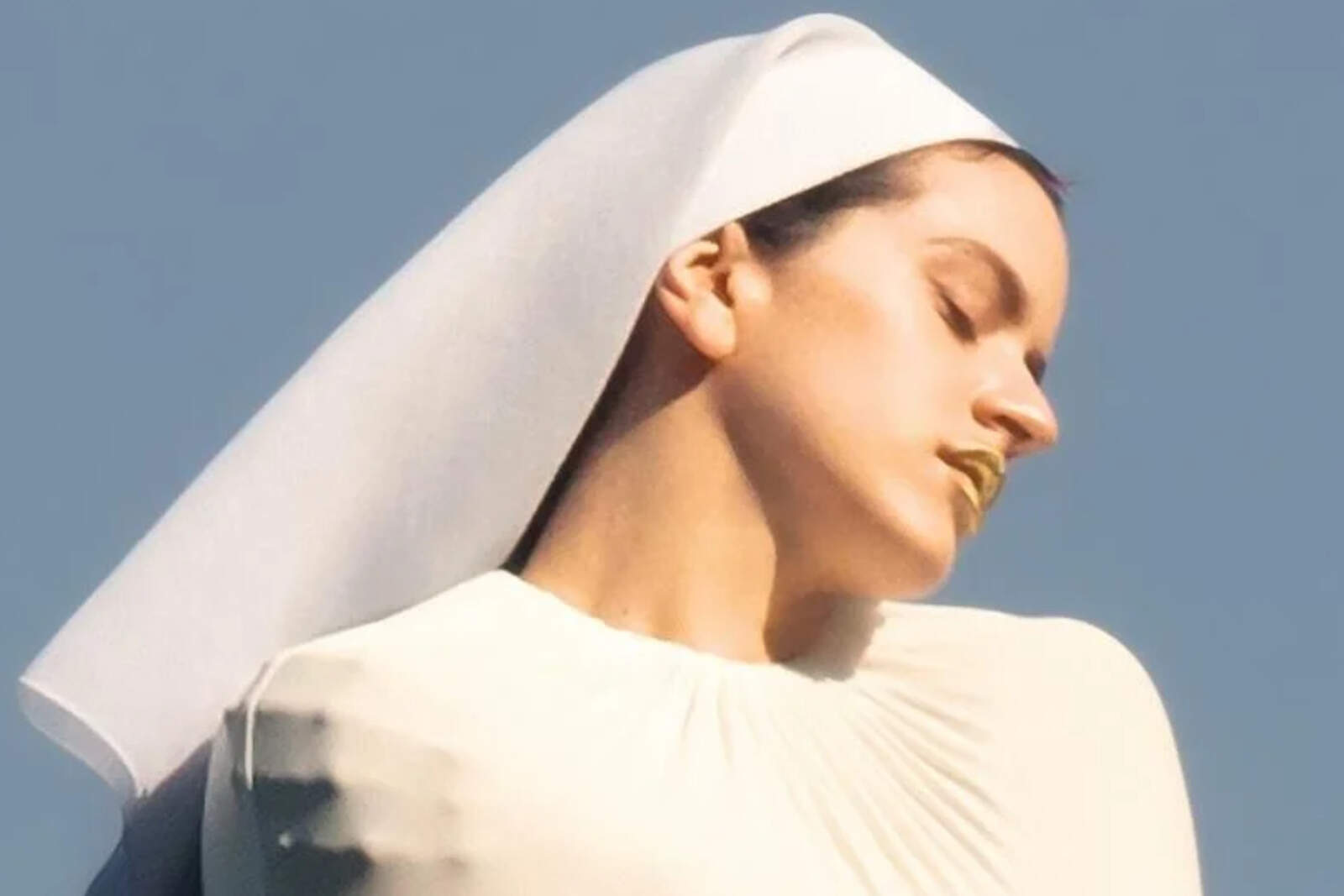
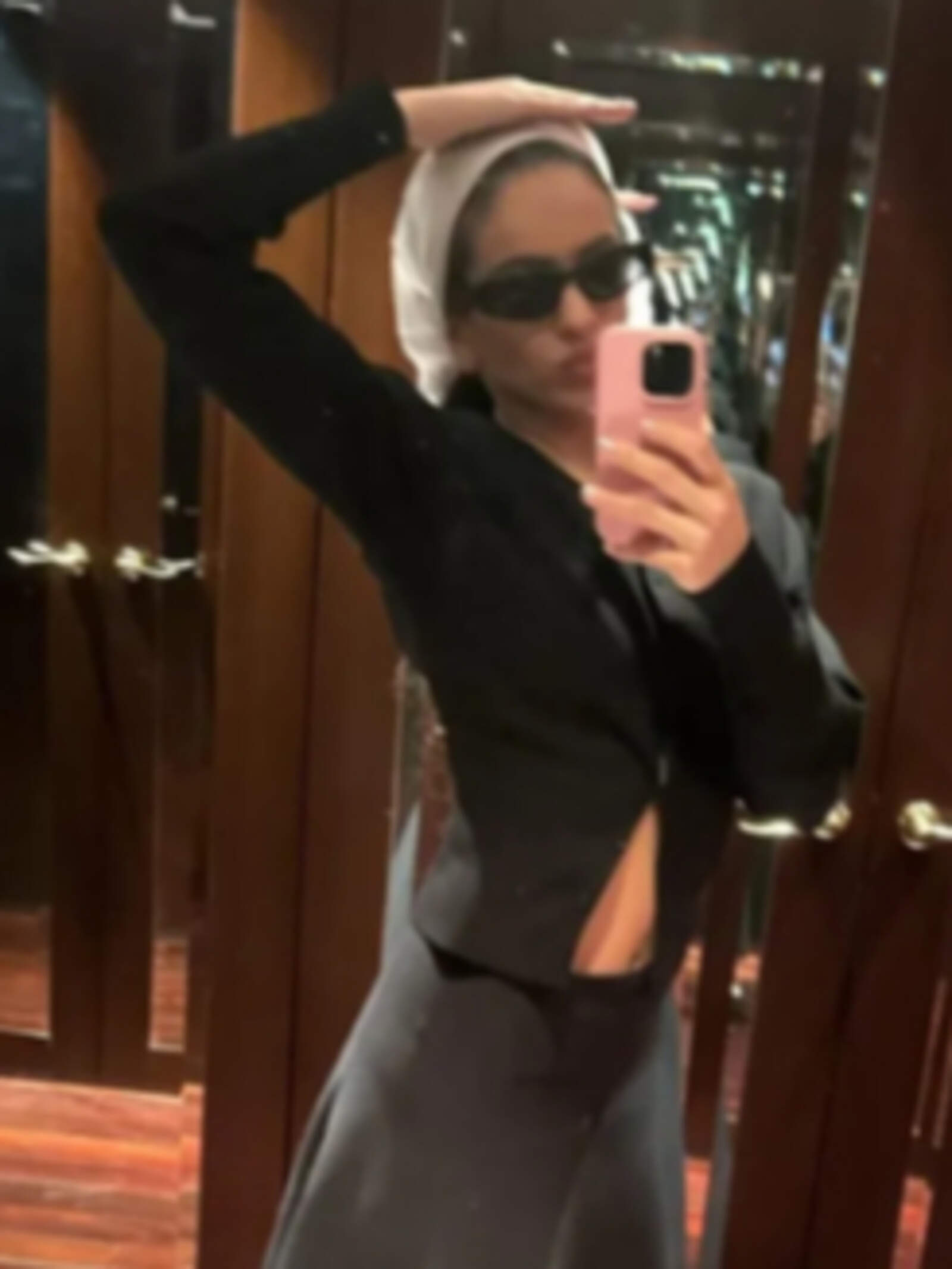
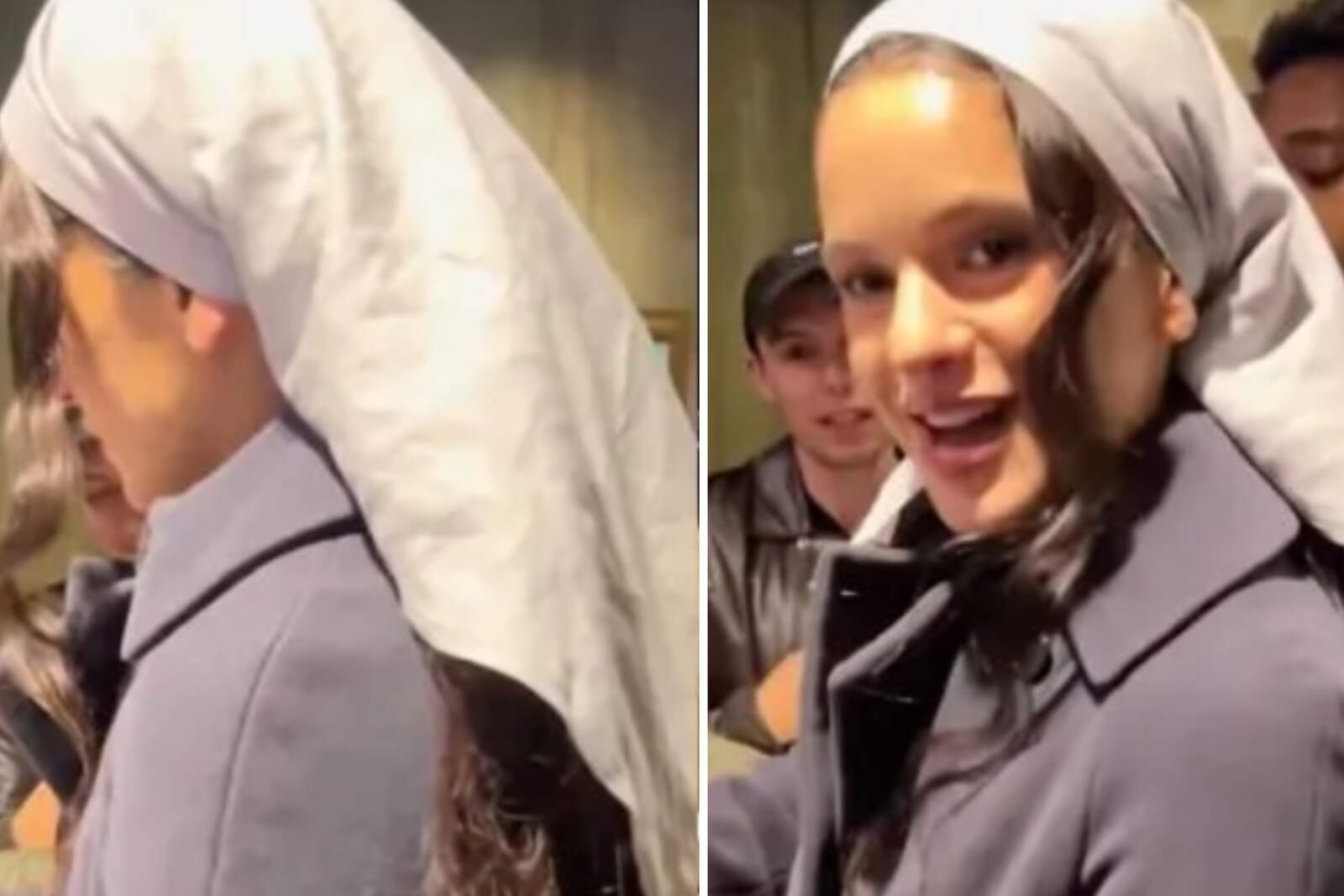
The singer appeared repeatedly wearing a nun's veil, an accessory that became part of her visual identity during the presentation of Lux, her new conceptual project.
The trend did not go unnoticed and gained even more momentum after her appearance on Otro día perdido (eltrece), where Mario Pergoliniasked her directly about the origin of this choice.
Rosalía y su look para ir al show de Cindy Cats Jam en Buenos Aires
Far from avoiding the subject, the artist explained that her proposal doesn't seek to provoke or appropriate religious symbols, but rather to explore a spiritual universe that, according to her, shaped her childhood and her artistic sensibility.
"This album is inspired by feminine mysticism, by how women have created spiritual spaces throughout history," she stated.
For her, the veil serves as "a gesture of respect and admiration toward women who dedicated their lives to a deep cause."
Pergolini wanted to know if she had ever imagined a life inside a convent, to which Rosalía replied naturally: "I have great respect for those who take that path. That is not my case, but I understand what it means to give yourself completely to something. In my life, that commitment is to music".
Rosalía con look inspirado en la religión cristiana
The conversation led to an intimate memory: her relationship with her grandmother. "My grandmother is very Catholic. Everything related to going to church, to spirituality, comes from her. I grew up watching how she lived her faith," she said.
She acknowledged that this bond became an inevitable influence for Lux, where she combines religious, cultural, and artistic references from different parts of the world.
The host mentioned that, in another historical moment, a semi-religious aesthetic would have caused controversy, as happened with Madonna. Rosalía was clear: "What I do is not provocation. It is an artistic language. Each element has a story, a symbolic connection. What I wear on my head is not a costume: it is part of the concept I am exploring."
The Spaniard was also surprised by the rumors circulating about an alleged religious vocation: "They told me that some even thought I wanted to be a nun," she joked. Still, she reiterated the focus of her work: "The saints, the mystical women, the spiritual figures... all of them were an inspiration because they represent strength, devotion, and an inner quest. For me, that transcends religion".