A multimillion-dollar embargo paralyzed a small business and once again highlighted the need for labor reform
Nuevo
Agregar La Derecha Diario en
Compartir:
A microenterprise in Junín, with only three employees, is facing a labor lawsuit that could drive it into bankruptcy. The amount of the seizure ordered by the Buenos Aires justice system amounts to $330 million, a figure that far exceeds the company's annual revenue and has completely paralyzed its operations. The case is not an exception: it is an X-ray of the Argentine labor system and its perverse incentives.
The company, which has been dedicated for twelve years to the manufacture and sale of children's clothing, was sued by a distributor who for years bought merchandise on credit and resold it in an exclusive area, setting his own prices. In 2022, after a commercial disagreement, the seller considered himself dismissed and filed a labor lawsuit.
The company argued that it was a commercial relationship, not a labor one, and that the dispute should be handled in the commercial jurisdiction. However, the provincial justice system classified the relationship as labor and defined it as "traveling salesman." The initial ruling set compensation at $14 million, but the amount increased by 1,257% due to the application of interest, fines, and the so-called "Barrios ruling," reaching $190 million. On top of that, there was a preventive seizure of $330 million.
The result was immediate: bank accounts blocked, inability to pay salaries, suppliers, and taxes, bounced checks, and the business operation completely broken. With the judicial recess approaching, the company is considering preventive bankruptcy as the only way to avoid permanent closure.
The case starkly illustrates one of the central problems of the Argentine labor market: a single ruling can destroy a company, especially when it comes to SMEs or microenterprises. This is not about bad business practices, but about a system that combines outdated regulations, expansive judicial criteria, and growing litigiousness that turns any relationship into an existential threat.
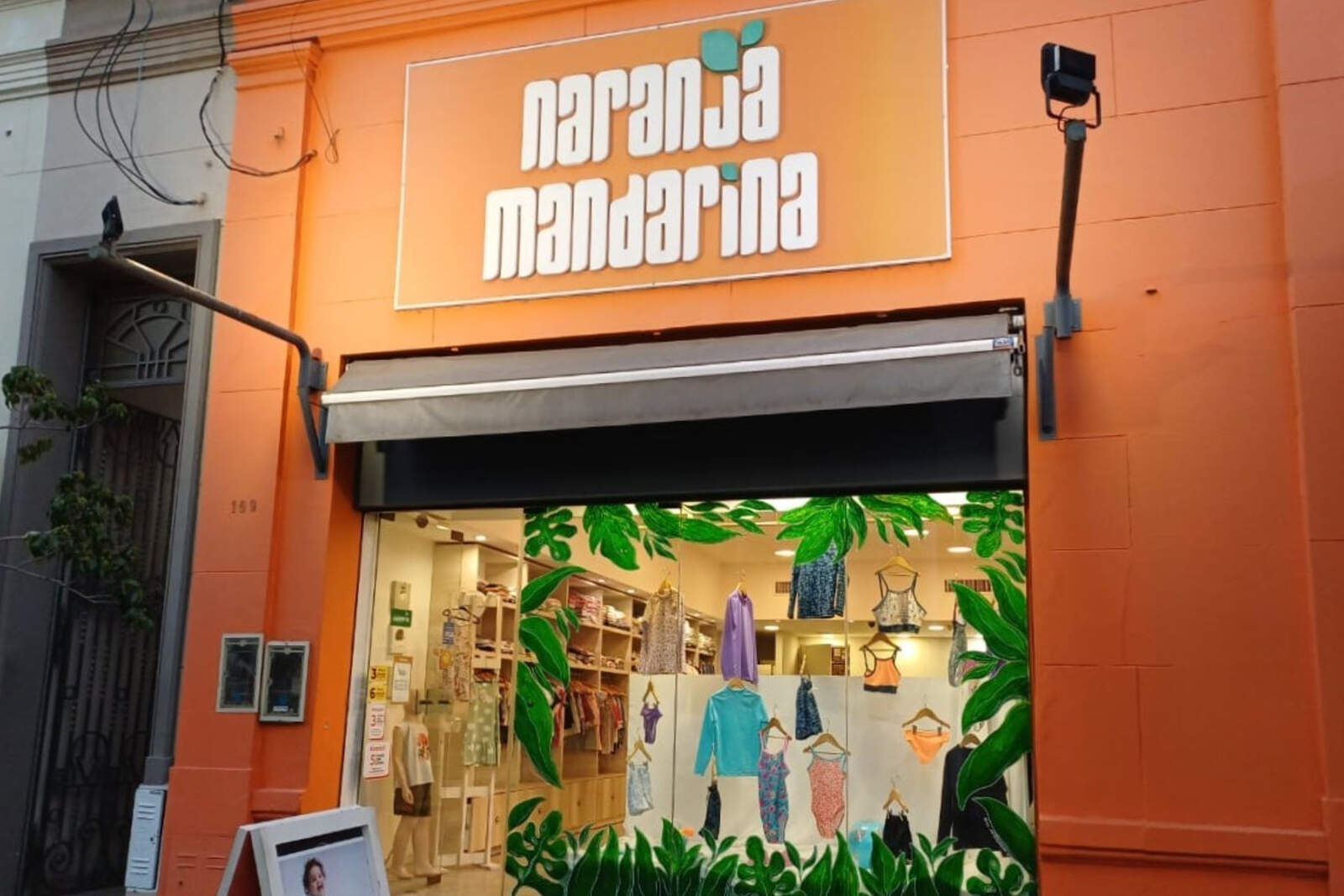
The data confirm it. Labor litigation continues to grow even as workplace accidents decrease. In 2023, lawsuits for occupational risks increased by more than 5% year-on-year, and Buenos Aires province accounts for almost 40% of the country's litigation. The incentive is not damage repair, but the business of lawsuits. Naranja Mandarina enfrenta un embargo por $330 millones.
This scenario explains why formal private employment hasn't grown for more than a decade. For an SME, hiring means taking on high costs and legal risks that are impossible to calculate. Faced with this outlook, the rational reaction is not to hire, to outsource, or simply not to grow.
The labor reform promoted by the Government aims precisely to correct these distortions: to reduce extra costs, limit abusive litigation, and provide legal predictability. Modernizing is not precarizing; it's about preventing job creation from being a game of Russian roulette.