Minister Caputo celebrated on his X account the improvement of Argentina's sovereign rating by S&P Global, which raised the country's rating to B- and highlighted the progress in fiscal matters, inflation, and reserve accumulation
The guarantees obtained from multilateral organizations to refinance external commitments.
The energy sector also plays a defensive role in this new financial architecture. S&P considers that the development of Vaca Muerta and energy exports will be the pillar of the national payment capacity. It is projected that this sector will generate a trade surplus of USD 10 billion in 2026, a figure that humiliates the USD 5.9 billion recorded in 2024 under the remnants of the previous administration.
In a historic turn that marks the end of financial marginalization for the Republic, the international rating agency S&P Global Ratings decided this Wednesday to upgrade the sovereign rating of Argentina, moving from CCC+ to B- with a stable outlook. This substantial improvement, communicated following the efforts of Minister "Toto" Caputo, formally implies the exit from the category associated with a very high risk of debt default, positioning the country in a new tier of solvency in the eyes of the world.
The agency's decision —one of the three major powers in the sector alongside Moody’s and Fitch— is based on the strength of the policies implemented by the administration of Javier Milei. According to the S&P report, the upgrade in the rating is the direct result of a combination of virtuous factors: the consolidation of fiscal balance, the reduction of macroeconomic imbalances, the deceleration of inflation, and a gradual improvement in external liquidity. The rating agency was emphatic in stating that “The accumulation of international reserves and continued fiscal surpluses strengthened the Government's liquidity profile”.
Him
In particular terms, the libertarian management has achieved what seemed impossible: expanding funding sources to shield the country against the debt maturities expected for the years 2026 and 2027. Among the tools that guarantee this new horizon of stability, the following stand out:
The successful issuance of dollar bonds in the local market.
The strategic financing agreements with international banks.
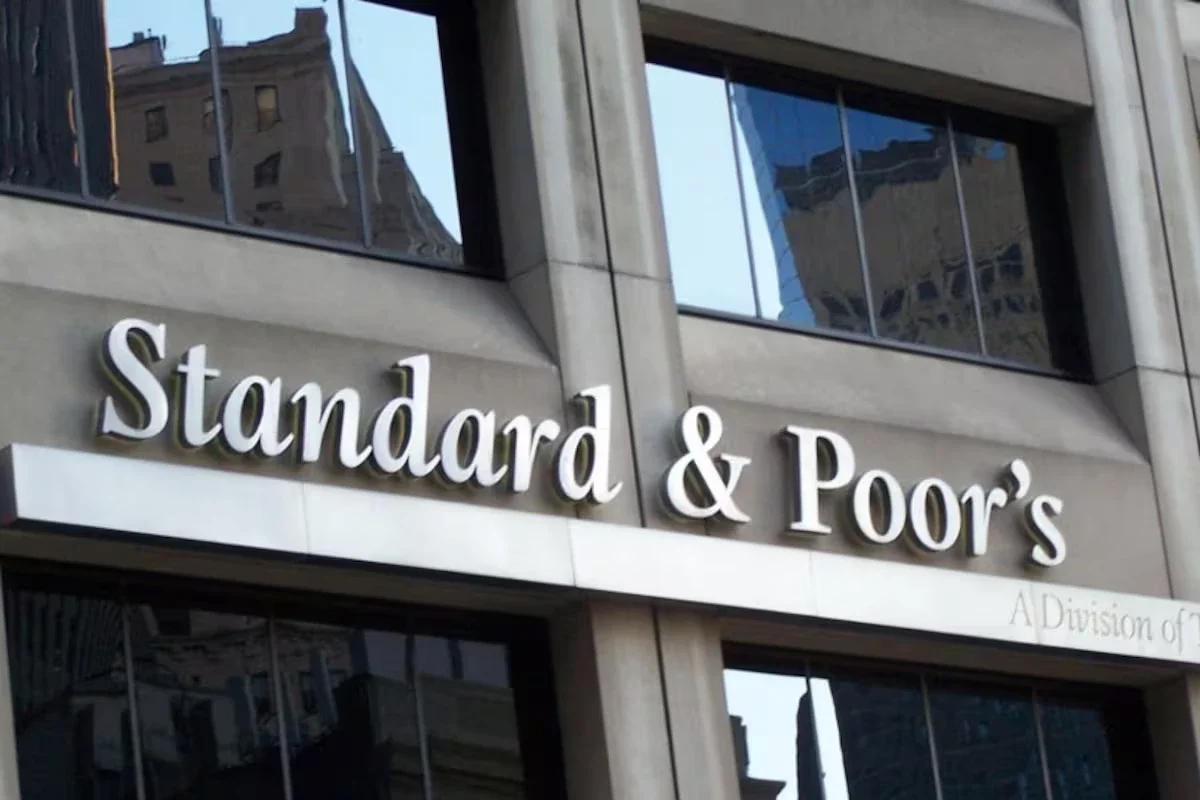
S&P Global Ratings
Despite the significant vulnerabilities inherited, such as the low level of net reserves and exchange rate volatility, growth projections are optimistic under the model of freedom. The agency estimates that the economy will grow by 2.7% in 2026 and stabilize at 3% annually in the following years.
Regarding the battle against the inflationary scourge, a drastic drop is expected from the 42% projected for 2025 to 32% this year, with the non-negotiable goal of reaching single-digit levels by the end of the decade.
The stable outlook granted reflects total confidence that the Government will maintain the fiscal anchor and continue with the strengthening of the reserves of the Central Bank (BCRA), factors that today shield Argentina against any attempt to return to macroeconomic instability.