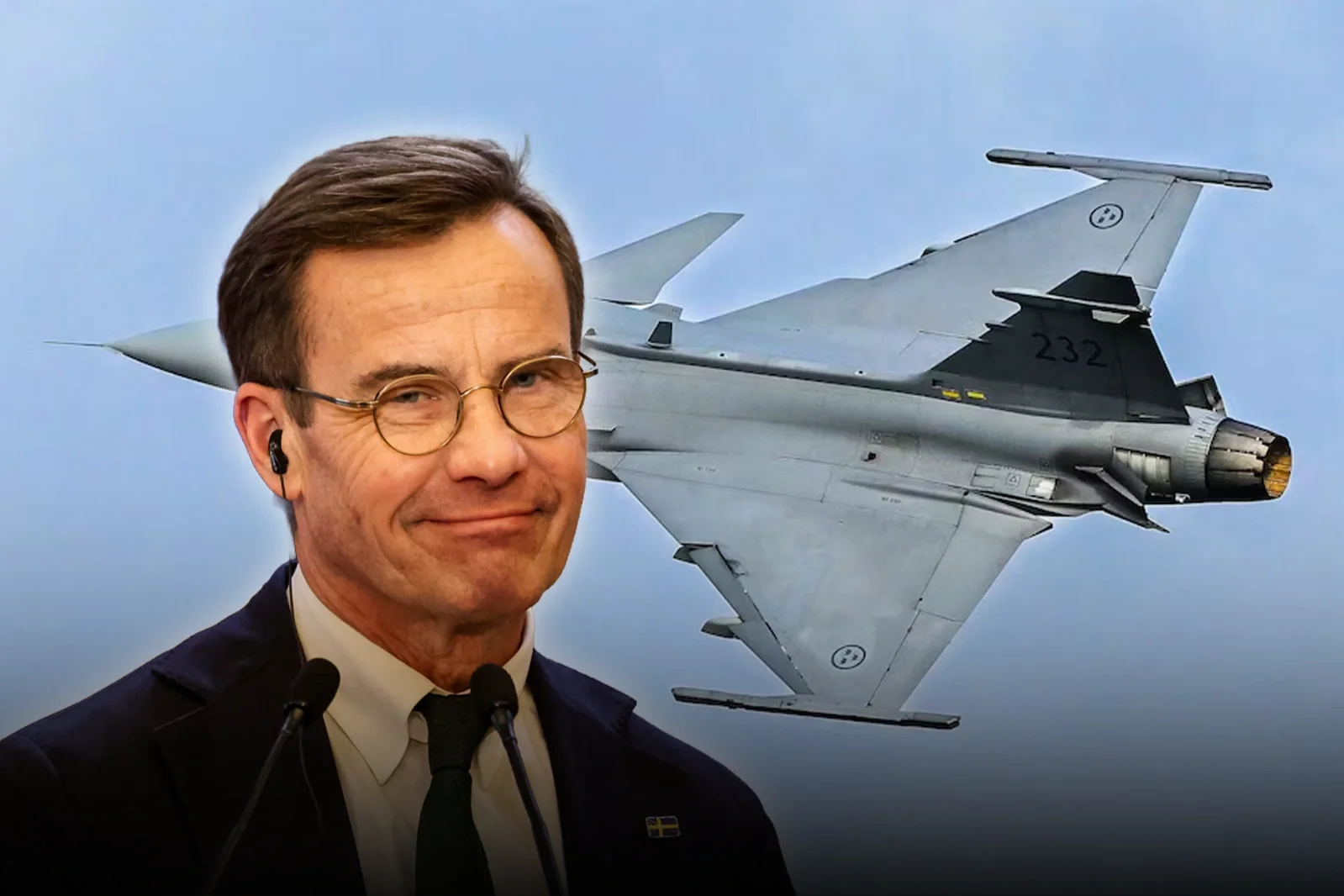
The Swedish Armed Forces activated rapid reaction alerts in response to the presence of Russian military aircraft over the Baltic Sea. The episode highlights the increasing tension between Russia and NATO countries in Northern Europe
Sweden reported that its Armed Forces had to activate the air alert system twice in the same day to intercept Russian military aircraft operating near its airspace. The incident occurred in the Baltic Sea region, an area that has become one of the main hotspots of tension between Russia and Western countries since the beginning of the war in Ukraine.
According to the Swedish Air Force, the fighters were deployed to identify and monitor the movements of several Russian military planes flying in the vicinity of Swedish territory. Although the aircraft did not enter national airspace, authorities deemed it necessary to respond due to the proximity of the operations and the existing defense protocols.
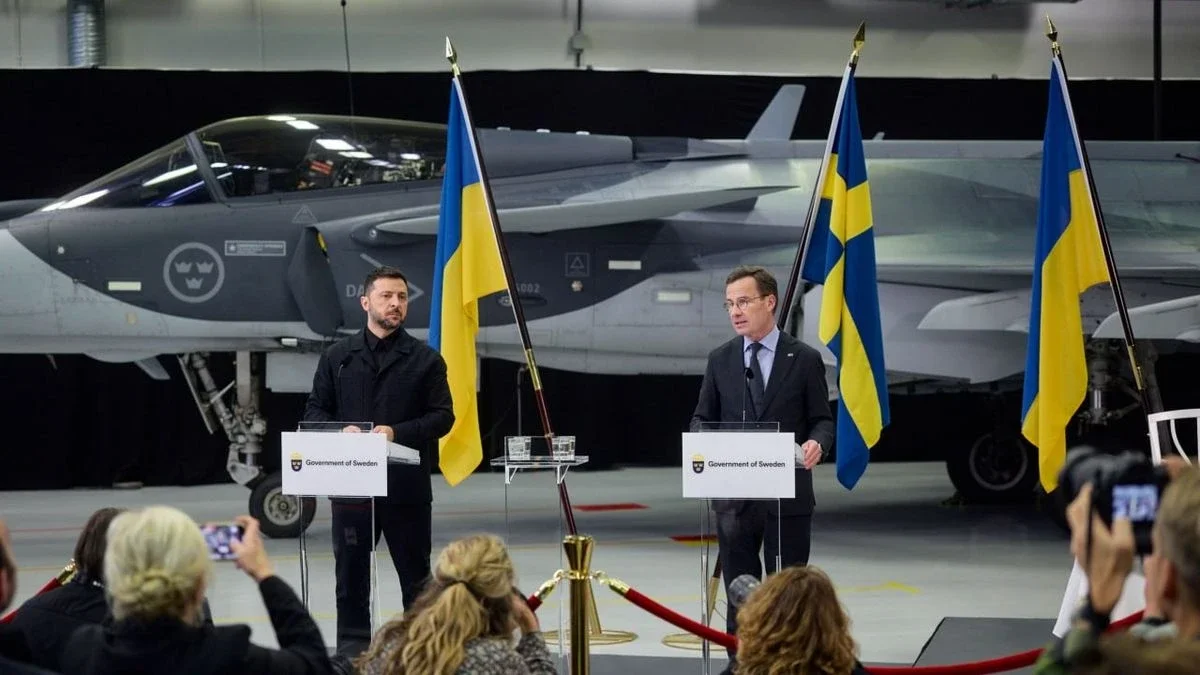
President Volodymyr Zelensky alongside Swedish Prime Minister Ulf Kristersson at the delivery of Swedish fighter jets to Ukraine
The interceptions were carried out by fighter jets that are part of Sweden's rapid reaction system, designed to respond immediately to any aerial activity considered unusual or potentially threatening. Swedish pilots accompanied and monitored the Russian aircraft until they left the area of interest.
The episode occurs at a time of particular sensitivity for European security. Since its full incorporation into NATO, Sweden has increased surveillance of its borders and strengthened military cooperation with other members of the Atlantic alliance. Swedish authorities believe that Russian military activity in the Baltic Sea has increased significantly in recent years.
This type of interception has become increasingly frequent due to the deterioration of relations between Moscow and the West. Military flights near the airspaces of NATO countries are usually closely monitored to prevent incidents that could lead to an escalation of tensions.
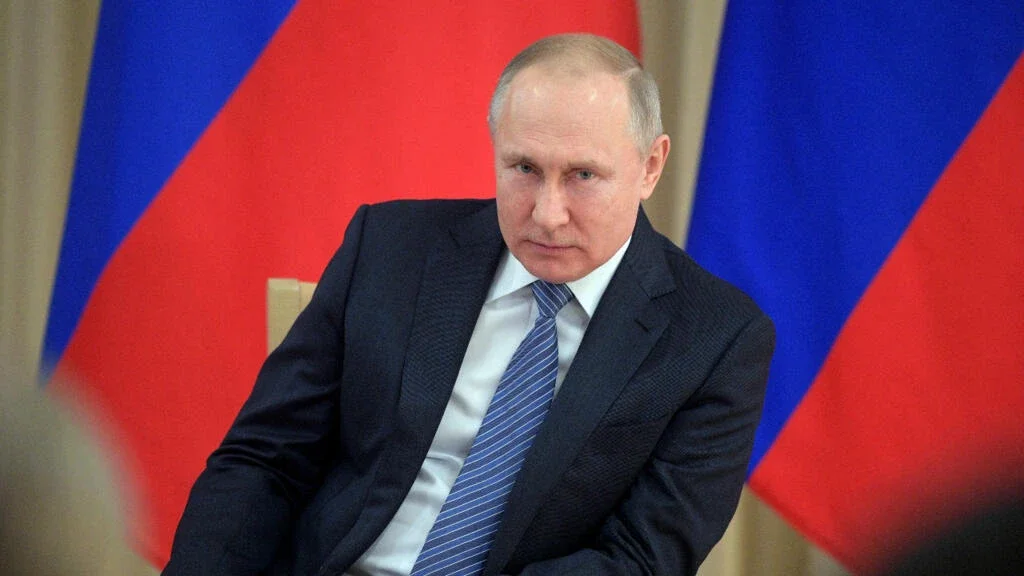
The Russian leader Vladimir Putin
For Sweden, the situation serves as a reminder of the security challenges facing the region. The Swedish government has insisted that it will maintain a firm stance in defending its sovereignty and will continue to strengthen its military capabilities alongside its Western allies.
The incident adds to a long series of encounters between Russian aircraft and NATO forces in Northern Europe, reflecting the climate of distrust that continues to characterize relations between Russia and Western democracies amid the war in Ukraine.