The partial report as of September shows a deterioration in the accounts. The impact of the last quarter still needs to be calculated
Compartir:
The official report confirms that Córdoba's public spending grew far above revenues in the first three quarters of 2025.Expenditures rose 17 points more than tax collection although the final calculation from October to December of the current year still remains to be computed. Fiscal imbalance accelerated notably during the pre-electoral stage, compromising the administration's financial stability.
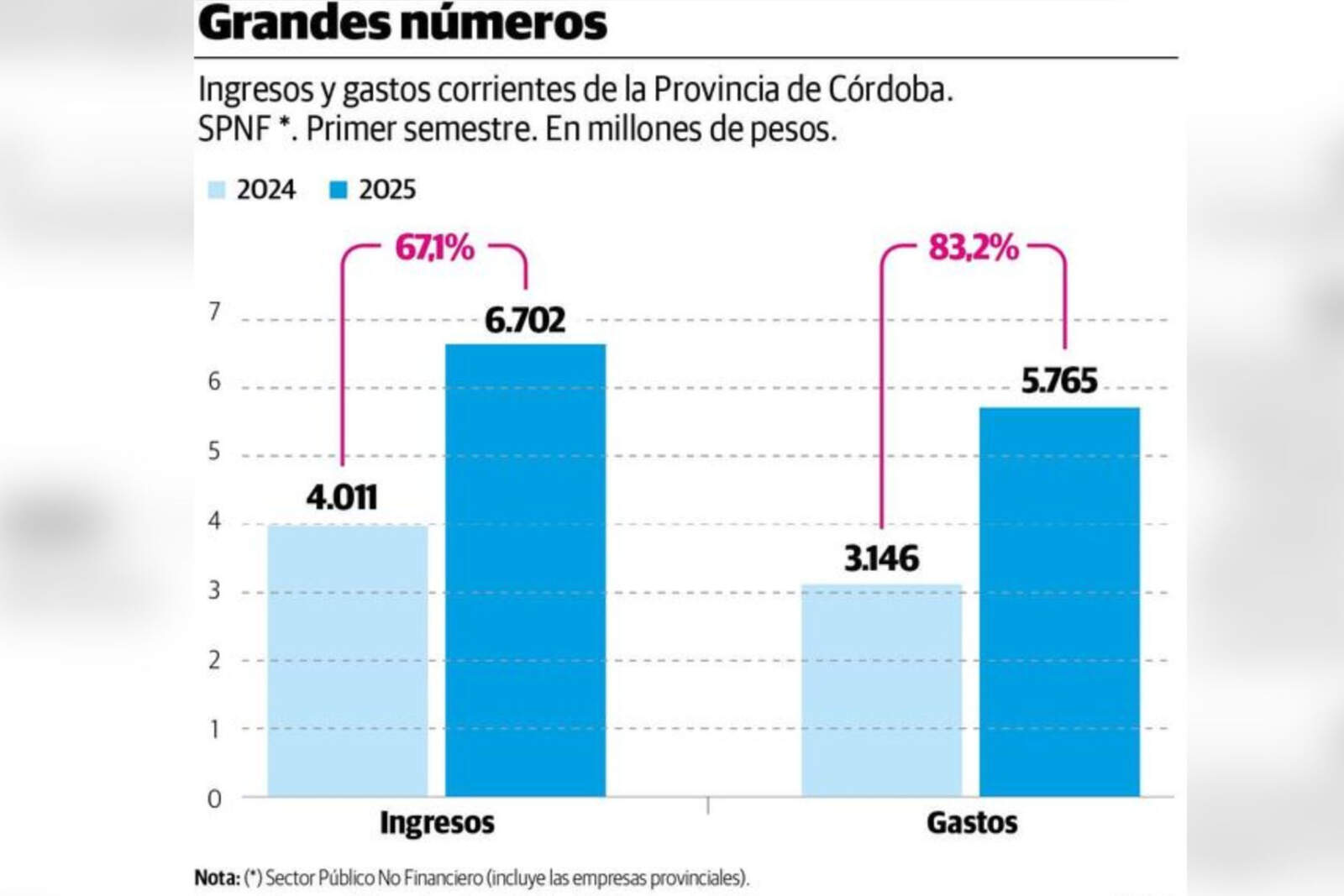
Total public sector revenues increased by 53.9% in nominal terms, while total expenditures rose by 71.1% year-on-year. The economic result, which measures the difference between current revenues and current expenditures, fell by 14.6% in the partial period analyzed by the province. The financial surplus was drastically reduced by 41.3% compared with the solid figures shown in the 2024 fiscal year.
Ingresos y gastos corrientes de la Provincia de Córdoba de enero a junio (2024 vs 2025)
Spending on state personnel increased by 66% far outpacing the average inflation of 51% recorded between January and September. The public administration allocated a total of 3.10 trillion pesos for salaries, which represents one third of current expenditures. The increase in staff and wage improvements above prices explains a large part of the deterioration observed in the accounts.
Pension deficit and growing debt
The accumulated deficit of the Pension Fund is an alarming figure, since the financial shortfall reached 428 billion pesos. Pension benefits increased by 74%, while revenues from contributions grew by only 61.9% in the same real period. The provincial Treasury must cover almost all of this financial gap, which is 139% higher than that recorded the previous year.
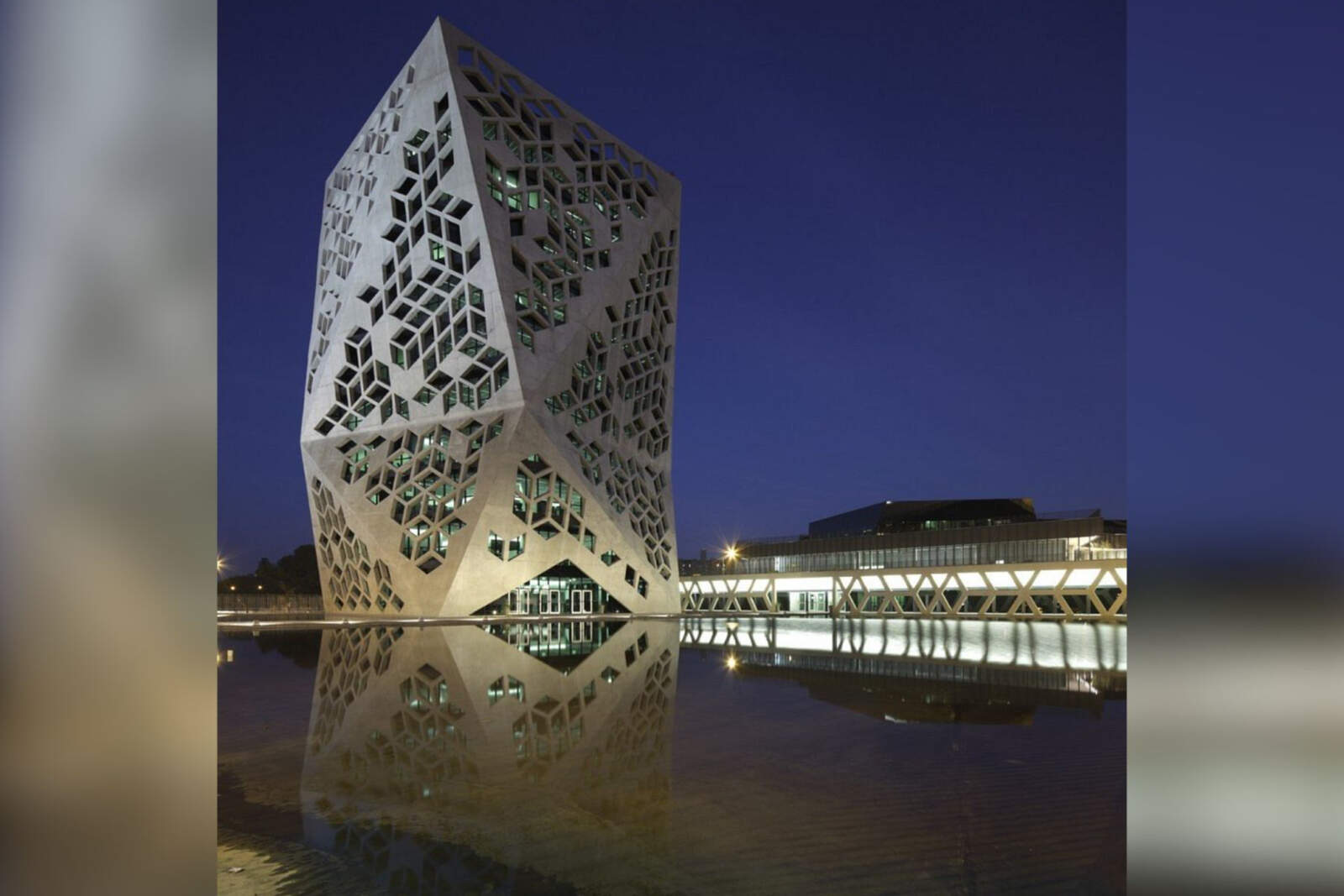
Casa de Gobierno de la Provincia de Córdoba.
Public indebtedness climbed to 1.11 trillion pesos representing an increase of 134.7% compared with the same period of the previous year. Net financial sources reached 1.36 trillion pesos, driven by the issuance of securities and the obtaining of new loans. The government turned to the capital market to finance a level of expenditures that the province's genuine revenues can no longer cover.
Real Direct Investment, which measures public works, rose to 680.225 billion pesos, marking an increase of 49.4% above real inflation. The deterioration of the provincial public accounts could deepen when the final data from the last quarter of 2025 are incorporated. Analysts warn that the trend of expansive spending is not sustainable without compromising long-term fiscal order in the province.