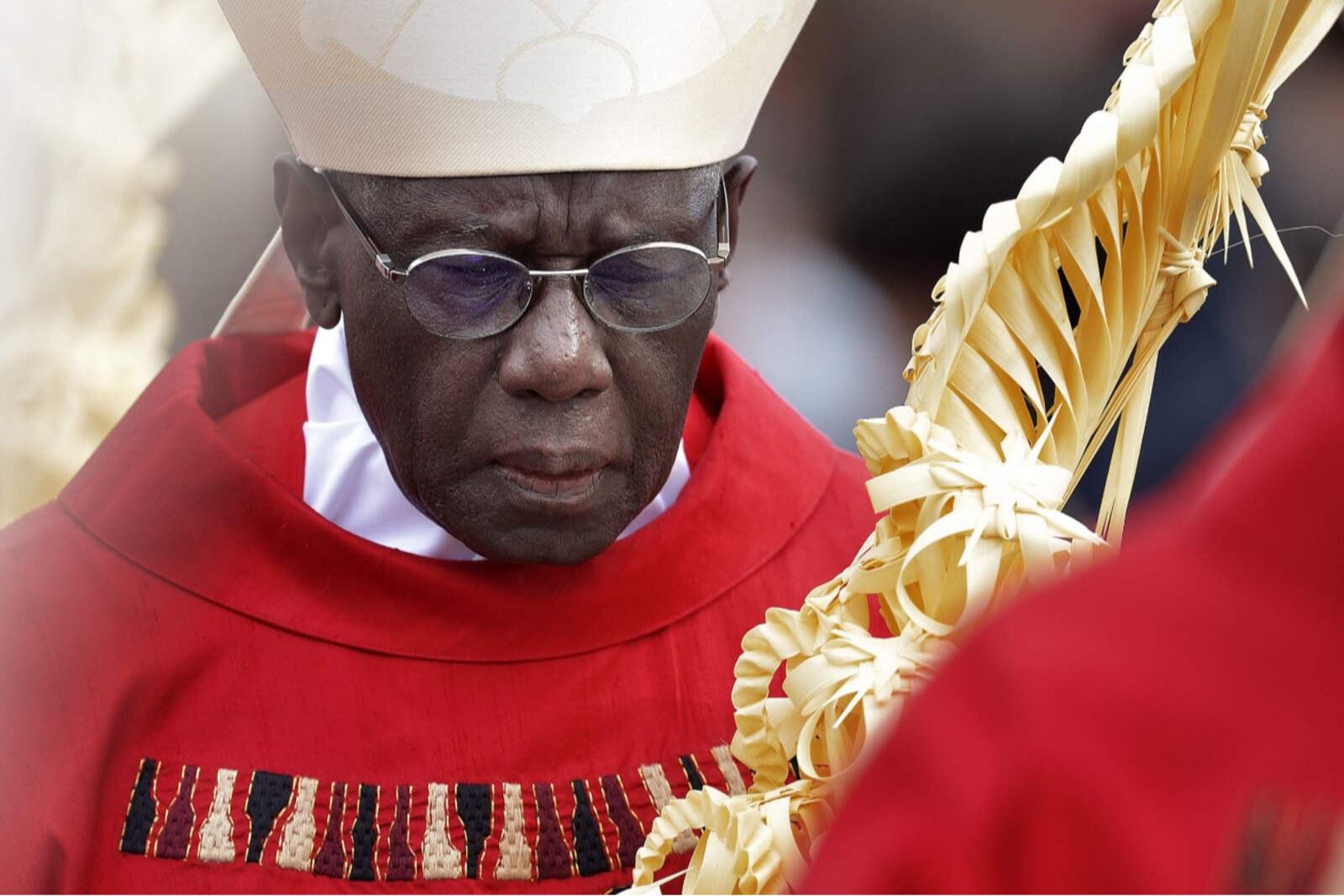
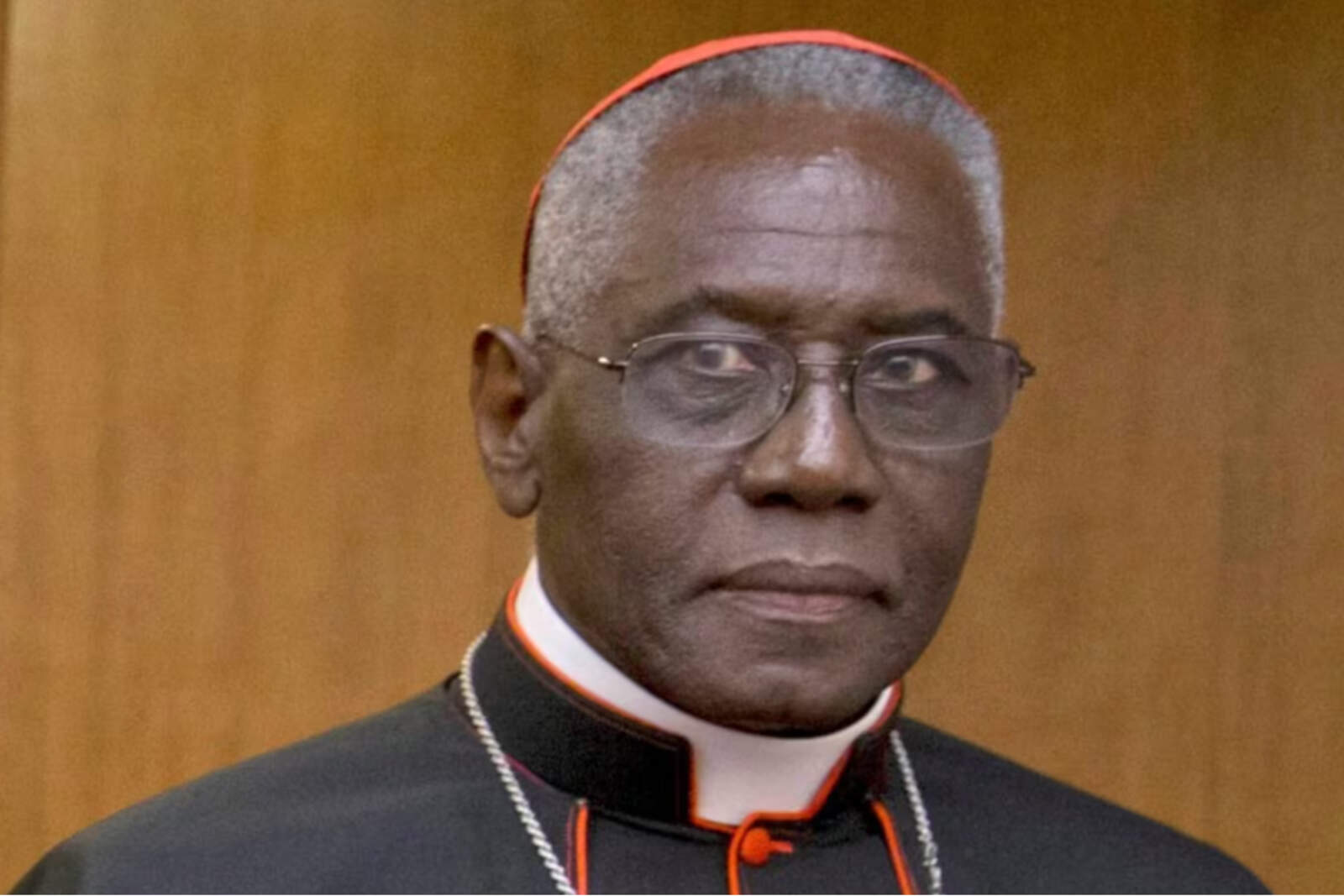
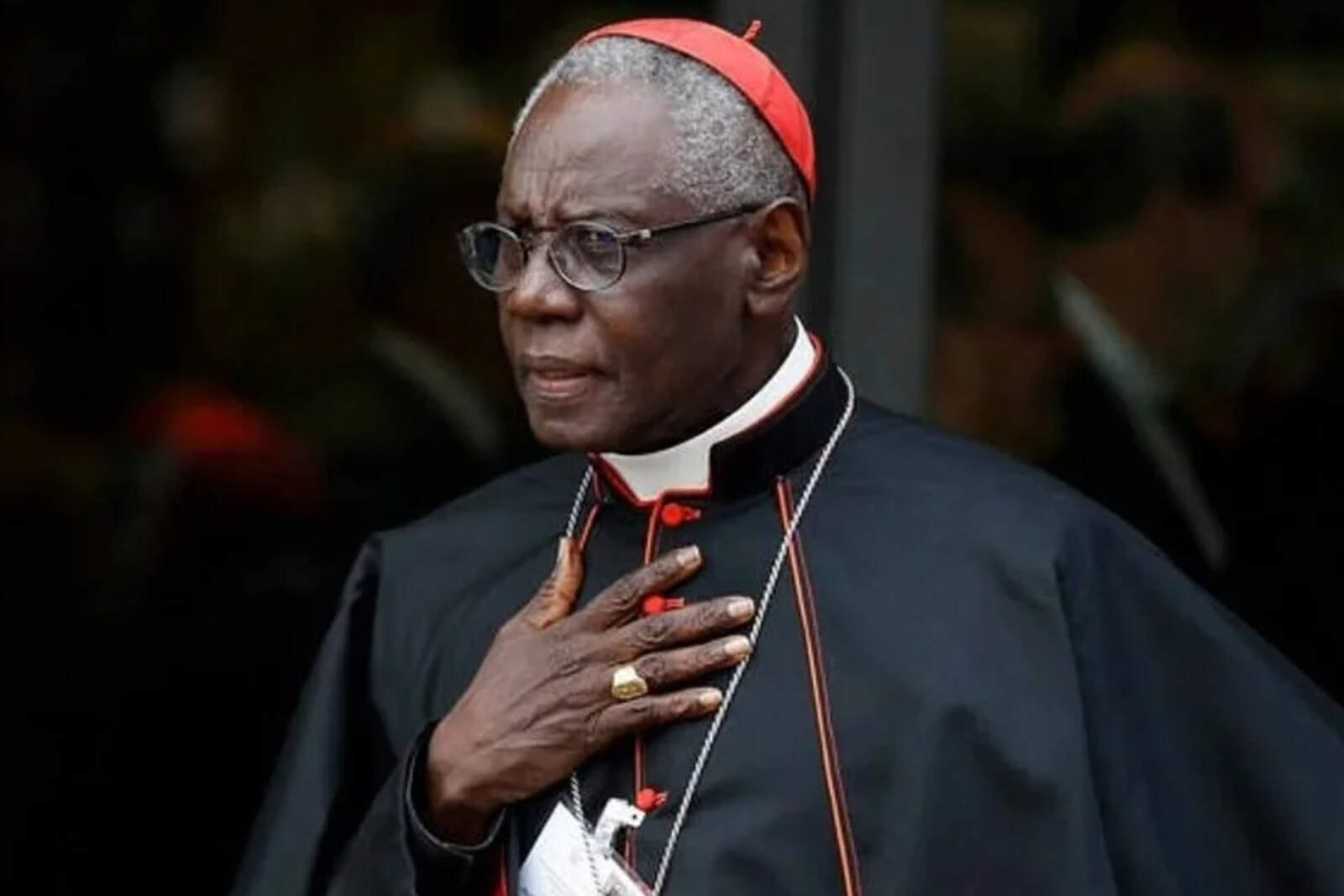
Far from politically correct speeches, Sarah offers an honest diagnosis: low birth rates, the crisis of values, and cultural pressure threaten Europe's future.
Gender ideology, abortion, and Islamism: a call to protect the truth
At the 2015 Synod on the Family, Sarah did not hesitate to call things by their name and described abortion, gender ideology, and radical Islamism as some of the contemporary evils that must be faced with clarity.
"Gender ideology is a Luciferian refusal to accept God's sexual nature," he declared, defending the revealed truth against ideological trends that seek to relativize the human condition.
Meanwhile, the Catholic Church is experiencing days of mourning and reflection following the death of Pope Francis, the upcoming conclave is stirring unprecedented expectations. In this scenario, Cardinal Robert Sarah emerges as one of the most influential names, symbolizing doctrinal fidelity and courage in the face of contemporary challenges.
His possible election as pope would not only mark a historic event as the first African pontiff but also a return to the deepest roots of faith.
Robert Sarah: a life dedicated to fidelity to God and the Church
Born in Guinea in 1945, Sarah witnessed three pontificates, and his trajectory within the Church is impeccable. Appointed cardinal in 2010 by Benedict XVI, he has always been characterized by his loyal service and deep respect for the papacy.
In a 2021 interview, he was blunt about rumors of opposition to Pope Francis: "I am very calm because I know I am very faithful to the Pope. I am at the service of the Church, the Holy Father, and God," he stated, dispelling speculations.
His profile is based on the firm defense of non-negotiable principles: the protection of the family, priestly celibacy, and the need to reaffirm Christian identity in a world that, he warned, faces a severe spiritual crisis.
The courage to speak uncomfortable truths: family, immigration, and the West
Unlike lukewarm or accommodating stances, Robert Sarah has had the courage to point out the contemporary evils affecting societies. In his book From the Depths of Our Hearts, he vigorously defended priestly celibacy, reaffirming a tradition that strengthens pastors' total dedication to God.
In a television interview, he analyzed the crisis of families, stating that "vocations come from families. If the family is destroyed, children lose their balance." Thus, he highlighted the importance of a stable environment with a mother and father for integral human development.
Las acertadas declaraciones de Robert Sarah en defensa del cristianismo y la familia
Regarding mass immigration, Sarah remarked on a legitimate concern about the loss of European identity:
"Europe has lost its roots, and a tree without roots dies," he stated, defending not exclusion but the strengthening of the traditions and Christian culture that forged the West.
For Sarah, faith can't be reduced or negotiated:
"Can a woman reduce her love for her husband or a husband reduce his love for his wife? No. So is God's love," he reflected, showing a deep understanding of the bond between faith and true love.
Las acertadas declaraciones de Robert Sarah en defensa del cristianismo y la familia
The respect between Francis and Sarah: beyond the rumors
A viral video attempted to show supposed coldness between Francis and Sarah, but a careful analysis reveals that they have always maintained a relationship of mutual respect. Moreover, the practice of avoiding kissing the papal ring was a personal decision by Francis, aimed at emphasizing his idea of a papacy based on service.
Over the years, cameras have captured gestures of cordiality between them, debunking the narrative of a confrontation.
An open conclave to the world: Africa and the dream of new leadership
Alongside Sarah, other prominent African cardinals such as Peter Turkson and Fridolin Ambongo stand out. This strong African presence reflects the universality of the Church and the vitality of faith in the peoples who still live the Gospel with enthusiasm.
In a world that seems to be drifting away from its roots, figures like Robert Sarah represent the hope of a renewed Church, faithful to Christ and courageous in the face of challenges.