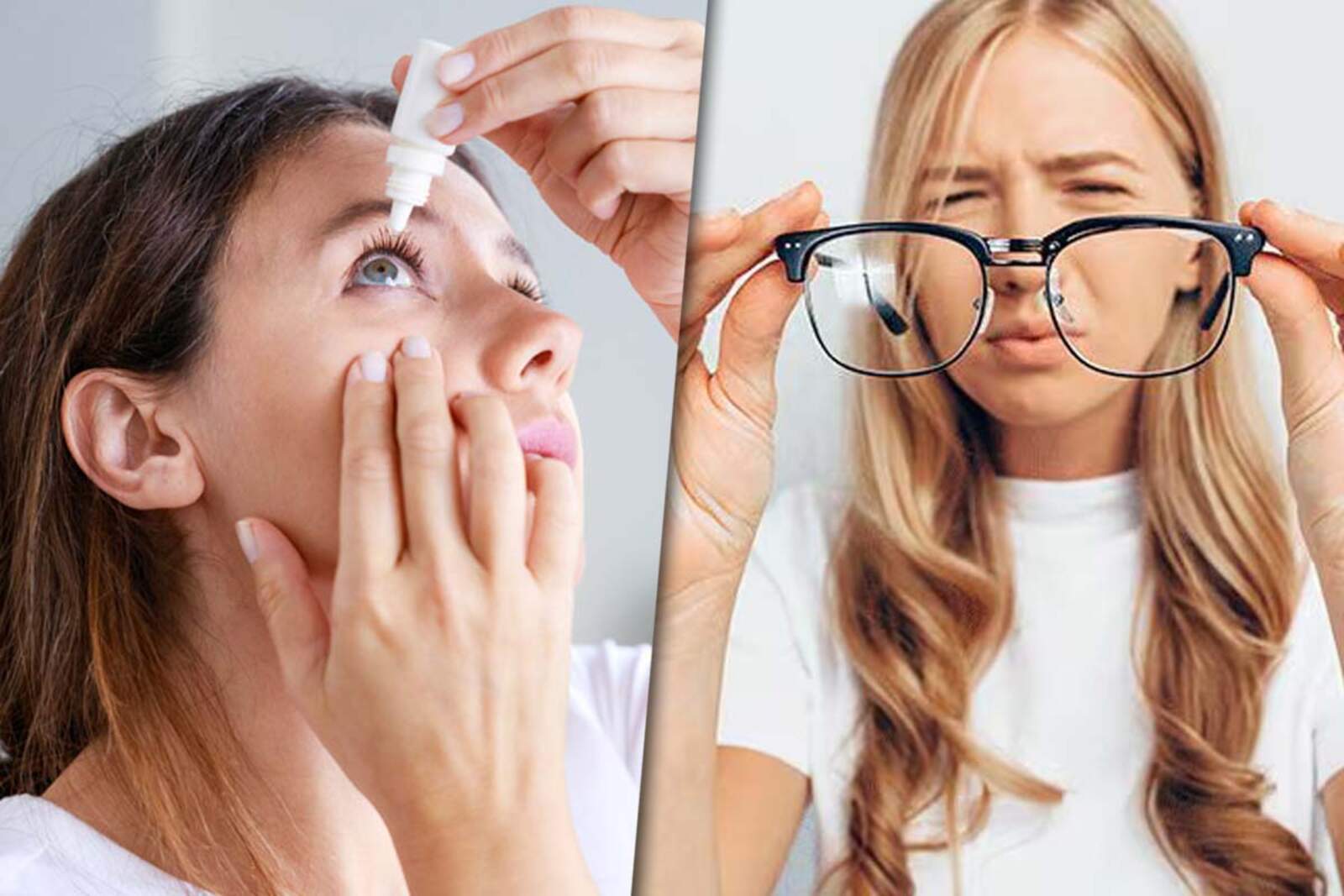
Presbyopia affects most people after age 45, making it difficult to focus on nearby objects. Recent research in Argentina and the U.S. shows that certain ophthalmic drops could improve near vision and reduce dependence on glasses.
These treatments don't replace surgery, but they offer a non-invasive alternative for those seeking to improve near vision without corrective lenses. The substances tested are pilocarpine and aceclidine, approved by the FDA in the United States.
Investigaciones recientes en Argentina y EE.UU. muestran que unas gotas oftálmicas podrían mejorar la visión
What presbyopia is and how it affects vision
Presbyopia is a natural change in the eye due to aging, which reduces the flexibility of the lens. This prevents focusing on nearby objects and causes eye fatigue, headaches, and, in rare cases, double vision.
The classic correction methods include reading glasses and surgeries such as laser refractive or lens replacement. Now, ophthalmic drops aim to offer a simpler and more effective option.
How pilocarpine drops work
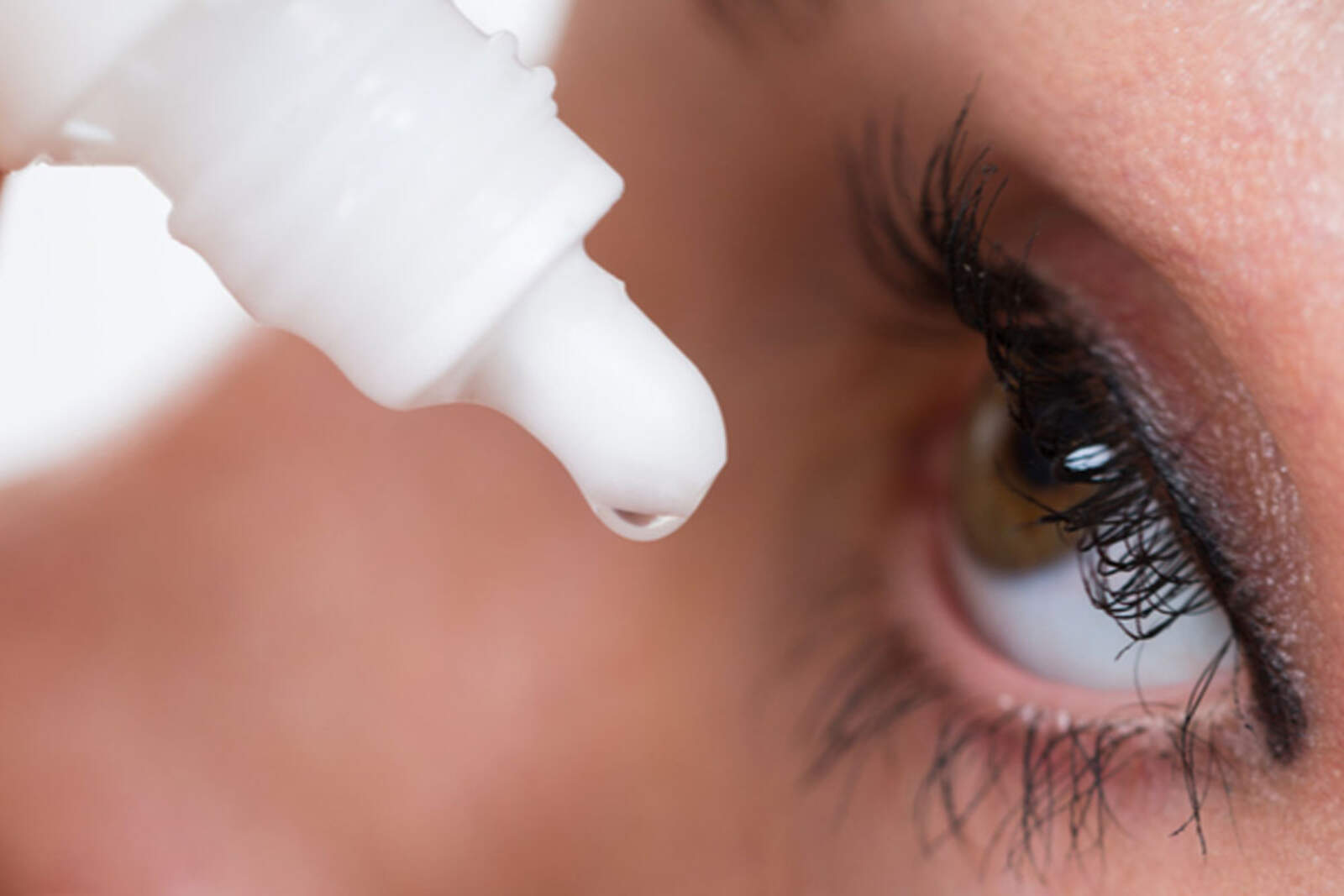
Pilocarpine constricts the pupil and induces contraction of the ciliary muscle, improving the elasticity of the lens. This allows easier focusing on nearby objects. Studies combine pilocarpine with diclofenac to reduce adverse effects such as irritation.
La presbicia es un cambio natural del ojo por el envejecimiento
Trial results
Study of 766 people, average age 55 years, with follow-up of up to two years.
Pilocarpine concentrations: 1%, 2%, and 3%.
Rapid and sustained improvements in near vision: 99% at 1%, 69% at 2%, 84% at 3% were able to read more lines on the Jaeger chart.
Side effects and safety
The most common effects include mild irritation and headache, reported in 32% of patients. There were no discontinuations due to serious adverse effects, and the visual improvement was maintained for up to 434 days.
Los efectos más comunes incluyen irritación leve y dolor de cabeza
Outlook and future of drops for presbyopia
While these don't completely replace reading glasses or surgery, these ophthalmic drops represent a promising advance. Future studies could adapt the concentration according to the severity of presbyopia, offering a more personalized treatment.